
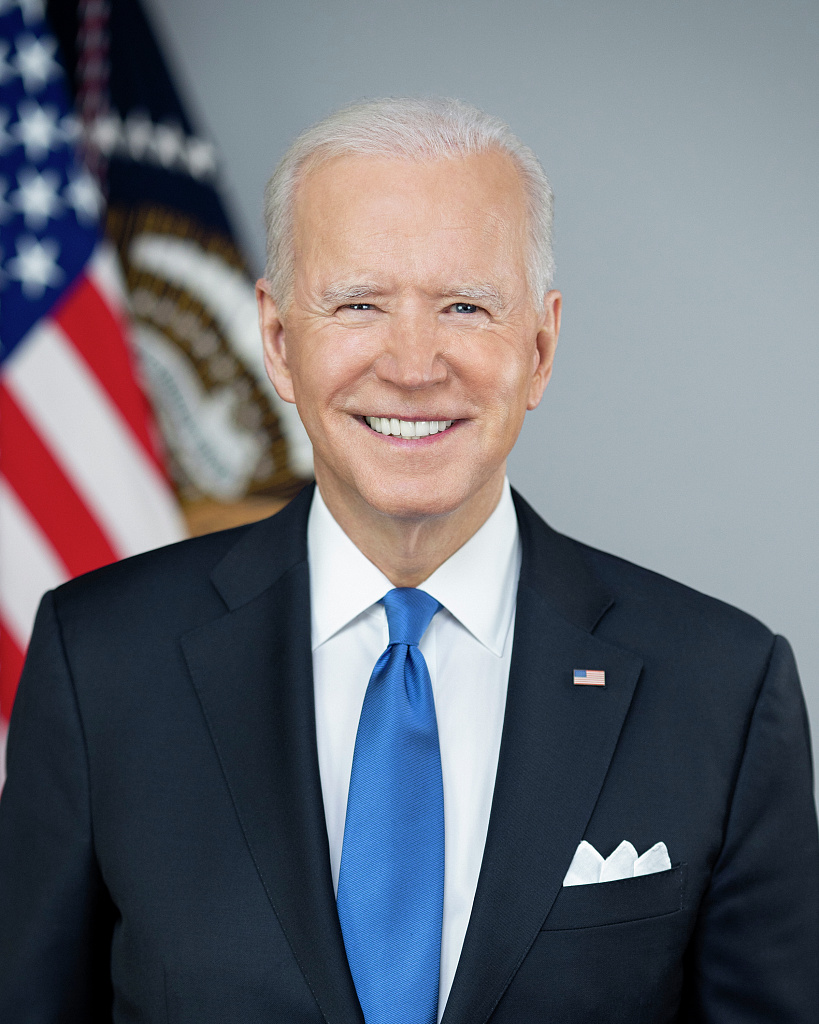
End of Joe Biden’s presidential term
President Joe Biden’s term concluded at noon on January 20, 2025, marking the formal end of the 46th presidential administration and the constitutional transfer of executive authority.

Joe Biden served as the 46th President of the United States from January 20, 2021 to January 20, 2025. A Democrat, his administration prioritized COVID-19 recovery, economic relief, infrastructure investment, and climate policy with Kamala Harris as vice president.
Biden's presidency focused on managing the COVID-19 pandemic's aftermath and stabilizing the economy through the American Rescue Plan, while passing major legislation such as the Bipartisan Infrastructure Law and the Inflation Reduction Act to invest in infrastructure, clean energy, and health care.
On foreign policy he oversaw the 2021 withdrawal from Afghanistan and led sustained U.S. support for Ukraine after Russia's 2022 invasion; his tenure emphasized restoring alliances, addressing global challenges, and shaping the federal judiciary with key appointments.
Passed the American Rescue Plan for COVID-19 relief (2021); Enacted the Infrastructure Investment and Jobs Act (2021); Signed the Inflation Reduction Act advancing climate and health policy (2022); Oversaw the U.S. withdrawal from Afghanistan (2021); Led sustained U.S. support for Ukraine after Russia's 2022 invasion; Appointed Justice Ketanji Brown Jackson to the Supreme Court
Key highlights and dated events associated with this presidency.
Showing 12 of 255 entries.
President Joe Biden’s term concluded at noon on January 20, 2025, marking the formal end of the 46th presidential administration and the constitutional transfer of executive authority.

Electors selected by the states and District of Columbia met in their respective states to cast formal ballots for president and vice president and to sign certificates of the electoral vote.
Under 3 U.S.C. §5, December 10, 2024 (six days before the Electoral College met) was the statutory 'safe harbor' deadline by which states were expected to resolve recounts and legal challenges and certify their results for the 2024 presidential election.
Nationwide Election Day for the 2024 presidential race; incumbent President Joe Biden appeared on the ballot as the Democratic candidate.
President Joe Biden formally accepted the Democratic Party's nomination for re-election in a prime-time speech at the 2024 Democratic National Convention in Chicago.
Biden took part in the first nationally televised debate of the 2024 general election, facing Republican nominee Donald Trump and discussing key issues including the economy, foreign policy, national security, and health care.
President Biden issued a Juneteenth proclamation recognizing the anniversary of the end of slavery in the United States, commemorating emancipation, and reaffirming commitments to racial equity and civil rights.
President Biden issued a proclamation observing Father’s Day (third Sunday in June), honoring fathers, caregivers, and family support networks across the country.
At the G7 summit in Bari, Biden joined other G7 leaders in a communique committing additional coordinated security assistance, economic measures, and sanctions enforcement to support Ukraine against Russia's invasion; the U.S. announced new material and financial measures as part of the package.
On the sidelines of the G7 leaders' summit in Bari, President Biden met bilaterally with Ukrainian President Volodymyr Zelenskyy to discuss ongoing security assistance, sanctions coordination, and diplomatic support amid Russia's invasion.
President Biden led the U.S. delegation at the G7 summit in Bari, meeting with fellow leaders in leader-level sessions and endorsing the G7 leaders' joint communiqué addressing support for Ukraine, global economic stability, supply-chain resilience, and humanitarian concerns in the Middle East.
President Biden issued a proclamation marking Flag Day (June 14), calling for Americans to display the U.S. flag and reflecting on its symbolism for service and national unity.