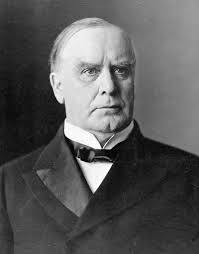
McKinley’s presidency marked the United States’ emergence as an international power after victory in the Spanish-American War and the acquisition of overseas territories such as Puerto Rico, Guam, the Philippines, and the annexation of Hawaii. Domestically, he promoted economic stability through the Dingley Tariff and the Gold Standard Act, aligning the federal government with business and industrial interests.
His administration accelerated American overseas expansion, a legacy that generated lasting debate over imperialism and national identity. McKinley’s assassination in 1901 brought Theodore Roosevelt to the presidency and helped usher in a more activist, progressive phase of American governance.