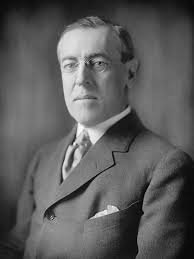
Wilson's presidency brought significant progressive reforms: he helped create the Federal Reserve System, strengthened antitrust enforcement, established the Federal Trade Commission, lowered tariffs and introduced a federal income tax. His administration also enacted labor protections and regulatory measures that reshaped the national economy.
Internationally, Wilson led the United States into World War I, articulated the Fourteen Points and pressed for a League of Nations to secure a new world order, but the Senate refused to ratify U.S. membership. His record is contested: he expanded federal authority and wartime censorship and instituted segregationist policies in the federal government, outcomes that have substantially affected historical assessments of his presidency.