January 8, 1957
•
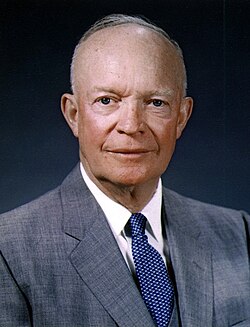
Dwight D. Eisenhower
Speech
Eisenhower delivers the 1957 State of the Union Address
President Eisenhower spoke to a joint session of Congress outlining his administration's priorities for 1957, including national defense, fiscal restraint, and foreign policy initiatives such as the recently proposed Middle East assistance plan.