Senate confirms Ketanji Brown Jackson to the U.S. Supreme Court
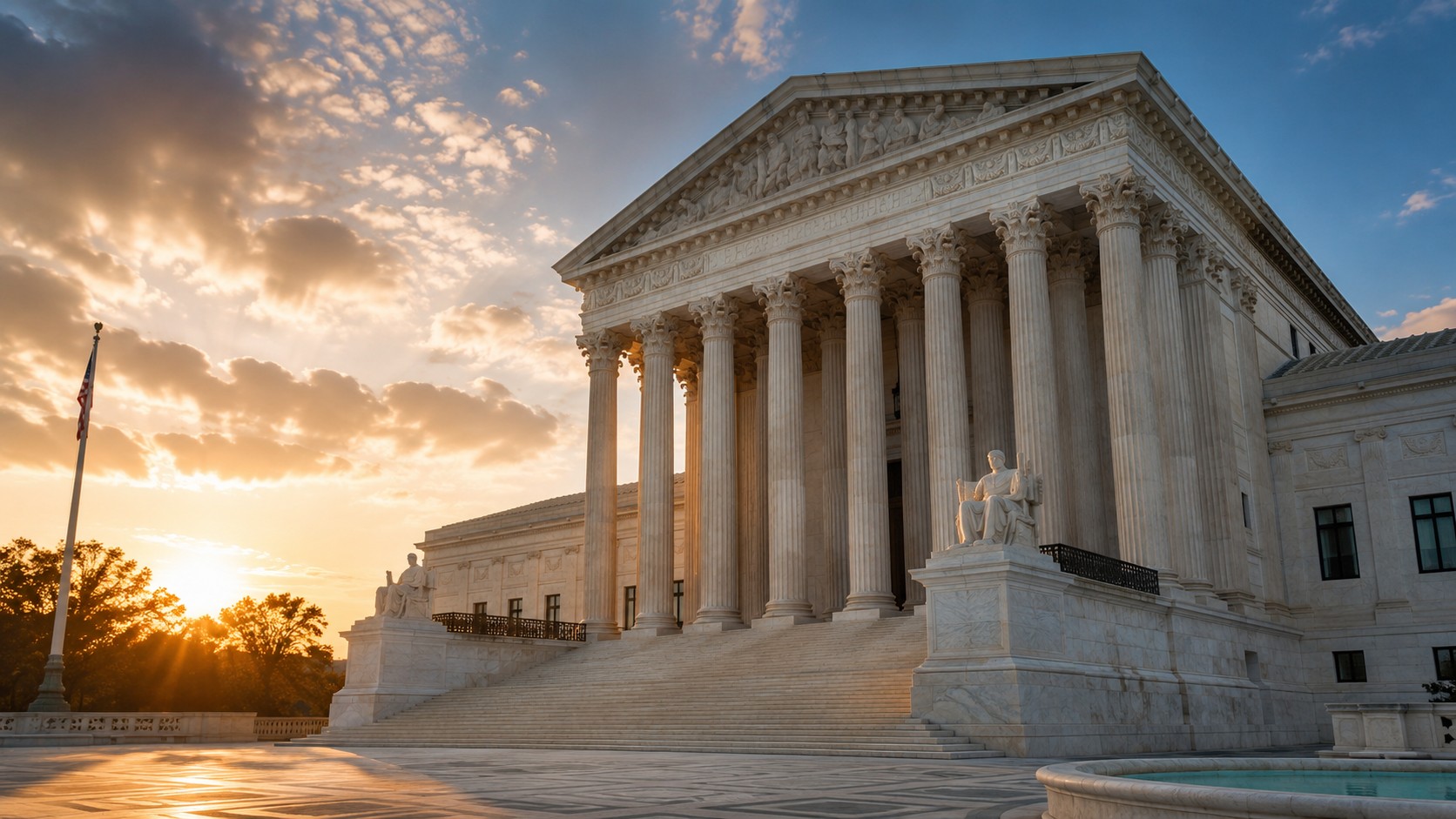
The U.S. Senate confirmed President Biden’s nominee Ketanji Brown Jackson to the Supreme Court by a 53–47 vote.

Joe Biden served as the 46th President of the United States from January 20, 2021 to January 20, 2025. A Democrat, his administration prioritized COVID-19 recovery, economic relief, infrastructure investment, and climate policy with Kamala Harris as vice president.
Biden's presidency focused on managing the COVID-19 pandemic's aftermath and stabilizing the economy through the American Rescue Plan, while passing major legislation such as the Bipartisan Infrastructure Law and the Inflation Reduction Act to invest in infrastructure, clean energy, and health care.
On foreign policy he oversaw the 2021 withdrawal from Afghanistan and led sustained U.S. support for Ukraine after Russia's 2022 invasion; his tenure emphasized restoring alliances, addressing global challenges, and shaping the federal judiciary with key appointments.
Passed the American Rescue Plan for COVID-19 relief (2021); Enacted the Infrastructure Investment and Jobs Act (2021); Signed the Inflation Reduction Act advancing climate and health policy (2022); Oversaw the U.S. withdrawal from Afghanistan (2021); Led sustained U.S. support for Ukraine after Russia's 2022 invasion; Appointed Justice Ketanji Brown Jackson to the Supreme Court
Key highlights and dated events associated with this presidency.
Showing 12 of 255 entries.
The U.S. Senate confirmed President Biden’s nominee Ketanji Brown Jackson to the Supreme Court by a 53–47 vote.

After reports and images emerged of civilian killings in Bucha, Ukraine, President Biden called the scenes 'horrific' and announced additional U.S. sanctions and export controls targeting Russian financial institutions, officials, and sensitive technology transfers.
The Centers for Disease Control and Prevention announced it would terminate the COVID-era Title 42 public-health order, with expulsions of migrants at the U.S.–Mexico border scheduled to end on May 23, 2022.
The Biden administration approved the transfer of U.S.-origin cluster munitions to Ukraine for use against Russian forces.
President Biden signed the Emmett Till Antilynching Act, making lynching a specific federal hate crime.
On March 25, 2022, President Biden traveled to Poland, meeting with Polish President Andrzej Duda and visiting sites hosting Ukrainian refugees to underscore U.S. humanitarian and security support.
On March 24, 2022, President Biden traveled to Brussels to meet with NATO and European leaders for emergency consultations to coordinate sanctions, security support, and humanitarian aid for Ukraine following Russia’s invasion.
The Senate Judiciary Committee held the first day of confirmation hearings for President Biden’s Supreme Court nominee, Judge Ketanji Brown Jackson.
The White House announced a new $800 million U.S. security assistance package for Ukraine, supplying anti-aircraft and anti-armor systems, artillery, and munitions to support Ukrainian defense efforts.
On March 15, 2022, President Biden signed a consolidated $1.5 trillion appropriations package to fund the federal government through the end of the fiscal year and avert a shutdown.
The White House announced that the United States would ban imports of Russian oil, liquefied natural gas, and coal in response to Russia's invasion of Ukraine.
President Biden delivered the 2022 State of the Union to a joint session of Congress, outlining his domestic agenda and responding to Russia's invasion of Ukraine.