Tenth United States Congress term begins
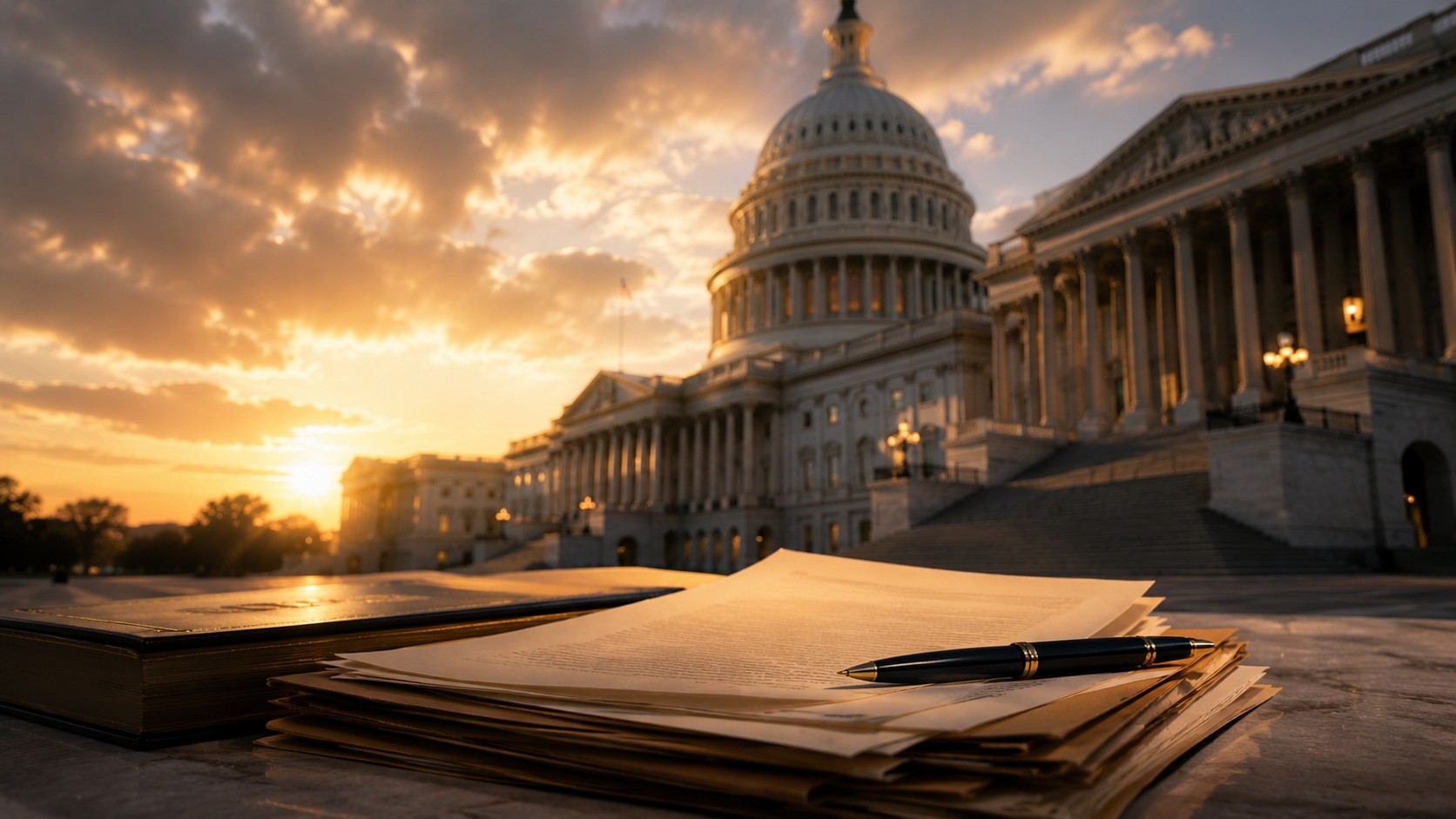
The constitutional term of the Tenth United States Congress officially began on March 4, 1807.
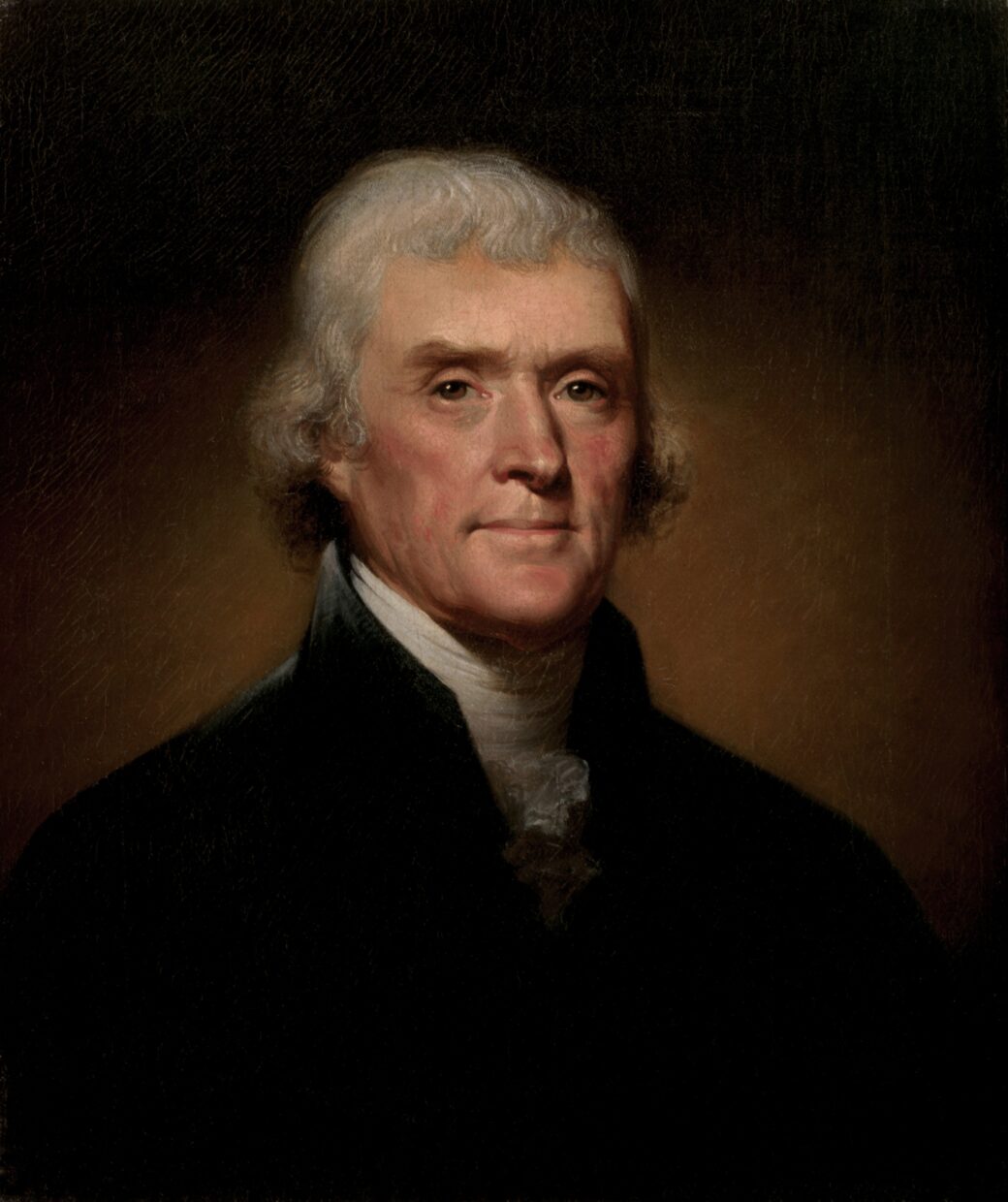
Thomas Jefferson (1743–1826) was the third President of the United States, serving from March 4, 1801 to March 4, 1809 as a leader of the Democratic-Republican Party. Author of the Declaration of Independence, he promoted limited federal government, westward expansion, and support for education and science.
Jefferson's presidency is defined by the Louisiana Purchase of 1803, which doubled U.S. territory, and by sponsoring the Lewis and Clark expedition to map the West. He pursued fiscal retrenchment—reducing federal debt and limiting standing armies—and championed an agrarian vision of republican government.
His record is mixed: the Embargo Act of 1807 damaged American commerce and his clashes with the Federalist judiciary raised enduring constitutional questions; his ownership of enslaved people contrasts sharply with his rhetoric on liberty. Nonetheless, Jefferson's emphasis on expansion, education, and local government left a lasting imprint on the nation's development.
Louisiana Purchase (1803), doubling U.S. territory; Commissioned Lewis and Clark expedition (1804–06) to explore the West; Reduced federal debt and cut military spending; Enacted the Embargo Act (1807) to pressure Britain and France; Sent naval forces in the Barbary War (1801–05) against North African piracy; Presidency coincided with Marbury v. Madison, which established judicial review
Key highlights and dated events associated with this presidency.
Showing 12 of 77 entries.
The constitutional term of the Tenth United States Congress officially began on March 4, 1807.

On March 2, 1807, President Thomas Jefferson signed into law the Act Prohibiting the Importation of Slaves, banning the international slave trade into the United States effective January 1, 1808.
Former Vice President Aaron Burr was arrested in the Mississippi Territory on February 19, 1807, on suspicion of plotting an expedition that prompted treason charges.
U.S. envoys James Monroe and William Pinkney signed a treaty with Great Britain in London on December 31, 1806 after negotiations over Anglo-American maritime disputes.
On November 21, 1806, Napoleon Bonaparte issued the Berlin Decree, declaring a blockade of the British Isles and prohibiting European ports from trading with Britain.
Meriwether Lewis and William Clark completed the Corps of Discovery's journey and returned to St. Louis on September 23, 1806, ending their transcontinental exploration mission.
Lieutenant Zebulon Pike left St. Louis on July 15, 1806, leading a U.S. Army expedition to explore the southwestern reaches of the Louisiana Purchase.
President Thomas Jefferson signed the Non-Importation Act (April 18, 1806), which prohibited the importation of certain British manufactures as a measure against British maritime practices.
On March 29, 1806, Congress approved legislation authorizing federal construction of the Cumberland Road, providing initial appropriations to begin a paved highway from Cumberland, Maryland, westward.
Meriwether Lewis and William Clark broke camp at Fort Clatsop on the lower Columbia River and began the expedition's return eastward to St. Louis.
On March 2, 1806, Congress enacted the Non-Importation Act, prohibiting the import of certain British manufactured goods in response to British seizures and impressment of American sailors.
Jefferson transmitted his annual message to Congress on December 3, 1805, laying out his administration's priorities on the public debt, naval defense, and foreign relations.