Republican National Convention nominates William Howard Taft for reelection
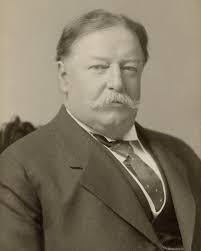
The Republican National Convention in Chicago nominated incumbent President William Howard Taft as the party’s candidate for president.
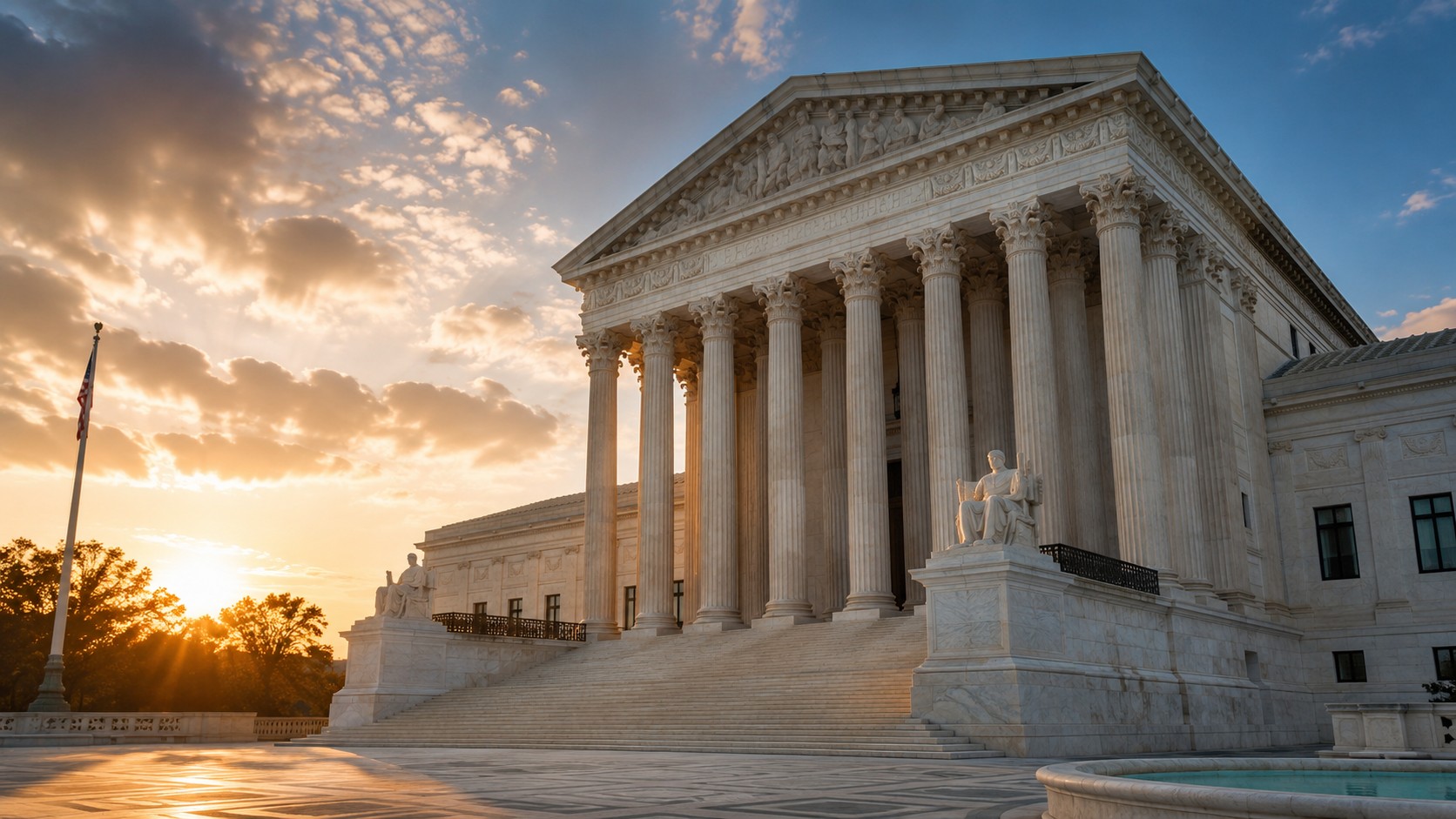
William Howard Taft (1857–1930) served as the 27th President of the United States from 1909 to 1913. A Republican jurist and administrator, he later became Chief Justice of the U.S. Supreme Court, the only person to hold both offices.
As president, Taft pursued a conservative, law‑based approach to reform: he vigorously enforced antitrust laws, supported federal conservation and the Bureau of Mines, and signed the controversial Payne‑Aldrich Tariff, which deepened splits with progressive Republicans.
After leaving the White House, Taft returned to public service as Chief Justice of the United States (1921–1930). His nine years on the Court cemented his reputation as a dedicated jurist and made him unique in American history for holding the nation’s two highest offices.
Enforced antitrust laws with numerous trust prosecutions, including actions against Standard Oil and U.S. Steel; Signed the Payne‑Aldrich Tariff, provoking a split with progressives; Established the U.S. Children's Bureau (1912); Created the Bureau of Mines and promoted federal conservation administration; Later served as Chief Justice of the U.S. Supreme Court, the only person to serve as both President and Chief Justice
Key highlights and dated events associated with this presidency.
Showing 12 of 41 entries.
The Republican National Convention in Chicago nominated incumbent President William Howard Taft as the party’s candidate for president.

On May 29, 1912, U.S. Marines landed at Bluefields, Nicaragua to protect American lives and property amid political unrest.
President Taft ordered U.S. Marines to land at Bluefields, Nicaragua, to protect American lives and property amid an armed rebellion against the government of Adolfo Díaz.
Approximately 20,000 textile workers in Lawrence, Massachusetts walked off their jobs in response to wage cuts, launching the multiweek "Bread and Roses" strike.
On January 6, 1912, President William Howard Taft issued the proclamation admitting New Mexico to the Union as the 47th state.
President William Howard Taft delivered his annual message to a joint session of Congress, outlining his administration’s priorities on tariff revision, trust enforcement, and administrative reform.
On May 29, 1911, the U.S. Supreme Court ruled in United States v. American Tobacco Co. that the company violated the Sherman Antitrust Act and ordered its dissolution.
On May 25, 1911, long-time Mexican President Porfirio Díaz resigned from office following revolutionary forces led by Francisco Madero and the Treaty of Ciudad Juárez.
On May 21, 1911 leaders representing Francisco Madero and the Díaz government signed the Treaty of Ciudad Juárez, agreeing to terms that effectively ended major hostilities and set the stage for Díaz’s departure.
On May 15, 1911, the U.S. Supreme Court in Standard Oil Co. of New Jersey v. United States held that Standard Oil violated the Sherman Antitrust Act and ordered the company to be dissolved into separate firms.
A catastrophic fire at the Triangle Shirtwaist Factory in Manhattan on March 25, 1911 killed 146 workers—mostly young immigrant women—when exits were locked or inadequate.
President William Howard Taft signed the Weeks Act into law, permitting the federal government to purchase private lands to protect headwaters and conserve forests in the eastern United States.