Supreme Court Decision in NCAA v. Alston Curbs NCAA Limits on Athlete Benefits
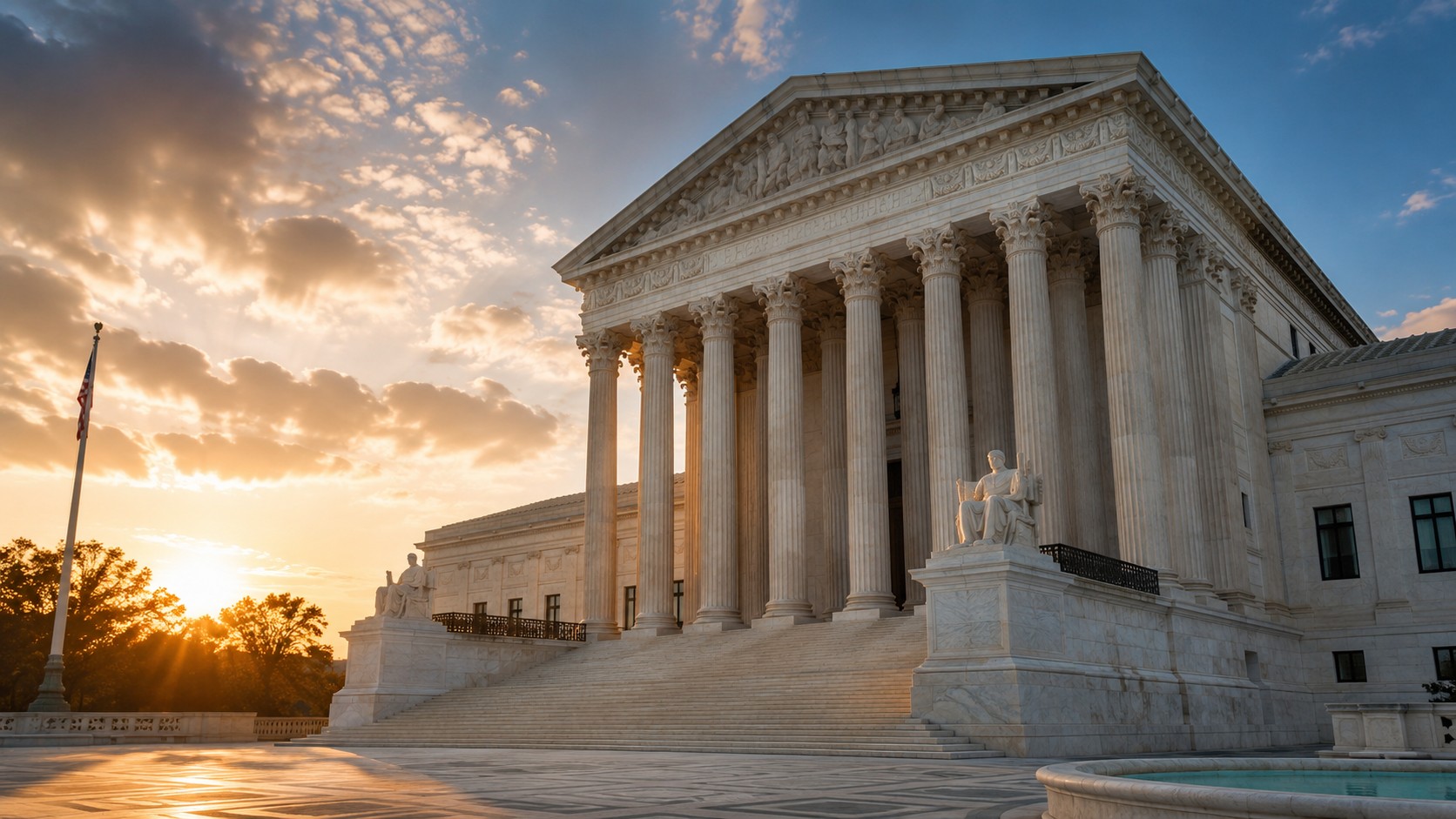
On June 21, 2021, the U.S. Supreme Court ruled that the NCAA’s restrictions on education-related benefits for college athletes violated federal antitrust law.
Joe Biden served as the 46th President of the United States from January 20, 2021 to January 20, 2025. A Democrat, his administration prioritized COVID-19 recovery, economic relief, infrastructure investment, and climate policy with Kamala Harris as vice president.
Biden's presidency focused on managing the COVID-19 pandemic's aftermath and stabilizing the economy through the American Rescue Plan, while passing major legislation such as the Bipartisan Infrastructure Law and the Inflation Reduction Act to invest in infrastructure, clean energy, and health care.
On foreign policy he oversaw the 2021 withdrawal from Afghanistan and led sustained U.S. support for Ukraine after Russia's 2022 invasion; his tenure emphasized restoring alliances, addressing global challenges, and shaping the federal judiciary with key appointments.
Passed the American Rescue Plan for COVID-19 relief (2021); Enacted the Infrastructure Investment and Jobs Act (2021); Signed the Inflation Reduction Act advancing climate and health policy (2022); Oversaw the U.S. withdrawal from Afghanistan (2021); Led sustained U.S. support for Ukraine after Russia's 2022 invasion; Appointed Justice Ketanji Brown Jackson to the Supreme Court
Key highlights and dated events associated with this presidency.
Showing 12 of 255 entries.
On June 21, 2021, the U.S. Supreme Court ruled that the NCAA’s restrictions on education-related benefits for college athletes violated federal antitrust law.

President Biden signed legislation establishing Juneteenth (June 19) as a federal holiday, commemorating the end of slavery in the United States.
President Biden met Russian President Vladimir Putin in Geneva for a high-profile summit addressing bilateral tensions, strategic stability, and diplomatic issues.
At the U.S.-EU summit in Brussels, the Biden administration and European leaders announced an agreement to suspend mutual tariffs tied to the long-running aircraft subsidies dispute for five years while negotiations continue.
On June 14, 2021, President Biden attended the NATO summit in Brussels, meeting with alliance leaders and publicly reaffirming the U.S. commitment to Article 5 and transatlantic cooperation.
President Biden participated in the G7 leaders' summit in Cornwall, United Kingdom, where leaders issued a joint communique on global recovery and cooperation amid the COVID-19 pandemic.
President Biden announced the United States would purchase 500 million doses of the Pfizer–BioNTech COVID-19 vaccine to donate to low- and middle-income countries through COVAX and other channels, with distribution planned later in 2021.
President Biden signed legislation designed to expedite review of hate crimes related to COVID-19 and improve reporting and response to anti-Asian hate incidents.
The Biden administration publicly welcomed the ceasefire agreement between Israel and Hamas that ended nearly two weeks of intense cross‑border fighting.
The Centers for Disease Control and Prevention announced that fully vaccinated people could resume most activities without wearing masks or physically distancing, both indoors and outdoors.
President Biden signed an executive order establishing new federal cybersecurity requirements, improved information sharing, and stronger software supply‑chain security standards.
The U.S. Food and Drug Administration expanded emergency use authorization of the Pfizer‑BioNTech COVID‑19 vaccine to include adolescents aged 12–15.