First State of the Union Address to a Joint Session of Congress
President Bill Clinton delivered his first State of the Union address, laying out domestic priorities including economic recovery, job creation, and health care reform.

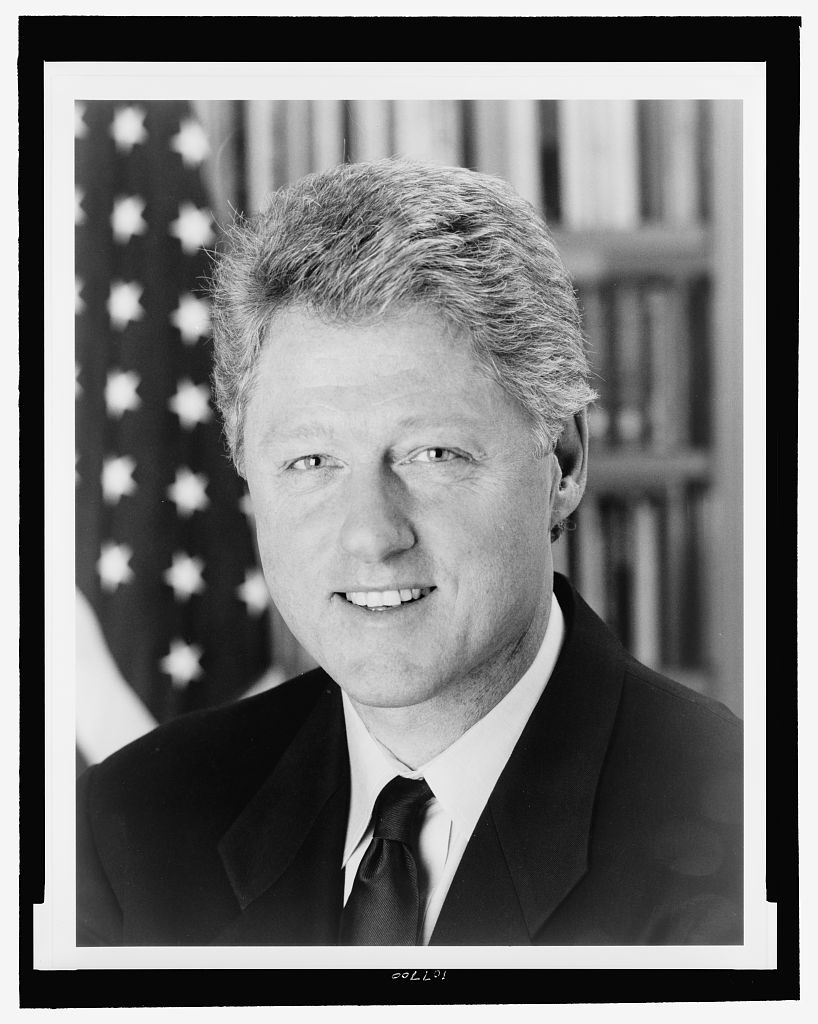
Bill Clinton served as the 42nd President of the United States from January 20, 1993, to January 20, 2001. His two-term administration oversaw strong economic growth and budget surpluses while also facing major political controversies, including impeachment and acquittal in 1998–1999.
Domestically, Clinton presided over a period of sustained economic expansion, reduced unemployment, and several major policy initiatives—most notably passage of NAFTA, welfare reform in 1996, and balanced budgets that produced federal surpluses in the late 1990s. His administration also advanced legislation on crime, gun control, and family leave while benefiting from the technology-driven boom of the decade.
Clinton’s presidency is also marked by controversy: a personal scandal led to his impeachment by the House in 1998 and acquittal by the Senate in 1999, which shaped public debate about character and accountability. On foreign policy he expanded U.S. engagement, including NATO interventions in Bosnia and Kosovo, leaving a mixed legacy of increased international involvement and contested domestic politics.
Signed NAFTA (1993); Enacted 1996 Welfare Reform (Personal Responsibility and Work Opportunity Act); Achieved federal budget surpluses in the late 1990s; Led NATO interventions in Bosnia (1995) and Kosovo (1999); Impeached by the House (1998) and acquitted by the Senate (1999); Signed key domestic laws including the Brady Bill and Family and Medical Leave Act
Key highlights and dated events associated with this presidency.
Showing 12 of 279 entries.
President Bill Clinton delivered his first State of the Union address, laying out domestic priorities including economic recovery, job creation, and health care reform.

President Bill Clinton signed the Family and Medical Leave Act (FMLA), which guarantees eligible workers up to 12 weeks of unpaid, job‑protected leave for specified family and medical reasons.
President Clinton submitted his first federal budget to Congress, laying out spending and revenue proposals for fiscal year 1994.
Clinton signed an executive order establishing the National Economic Council (NEC) in the White House to coordinate domestic and international economic policy and advise the president.
The Senate approved confirmations for several top Clinton Cabinet choices — including Warren Christopher for Secretary of State, Lloyd Bentsen for Treasury, and Les Aspin for Defense — allowing them to assume their posts early in the administration.
President Clinton issued an action rescinding the Reagan-era 'Mexico City Policy,' restoring eligibility for U.S. population-assistance funds to international family-planning organizations that provide or counsel on abortion.
President Clinton formally nominated Janet Reno to serve as Attorney General of the United States.
President Clinton formally transmitted his initial nominations for Cabinet and other top administration posts to the U.S. Senate, initiating the confirmation process.
President Clinton appointed First Lady Hillary Rodham Clinton to lead the Presidential Task Force on National Health Care Reform to develop a comprehensive proposal for expanding coverage.
Margaret 'Dee Dee' Myers was sworn in as White House Press Secretary on Inauguration Day.
Al Gore took the oath of office as the 45th Vice President during the inauguration ceremonies on January 20, 1993.
President Clinton appointed Anthony Lake as National Security Advisor effective on his first day in office.