Quarantine Speech (Chicago)
President Franklin D. Roosevelt delivered the ‘‘Quarantine Speech’’ in Chicago, urging nations to work together to ‘‘quarantine’’ aggressor states to prevent the spread of war and lawlessness.
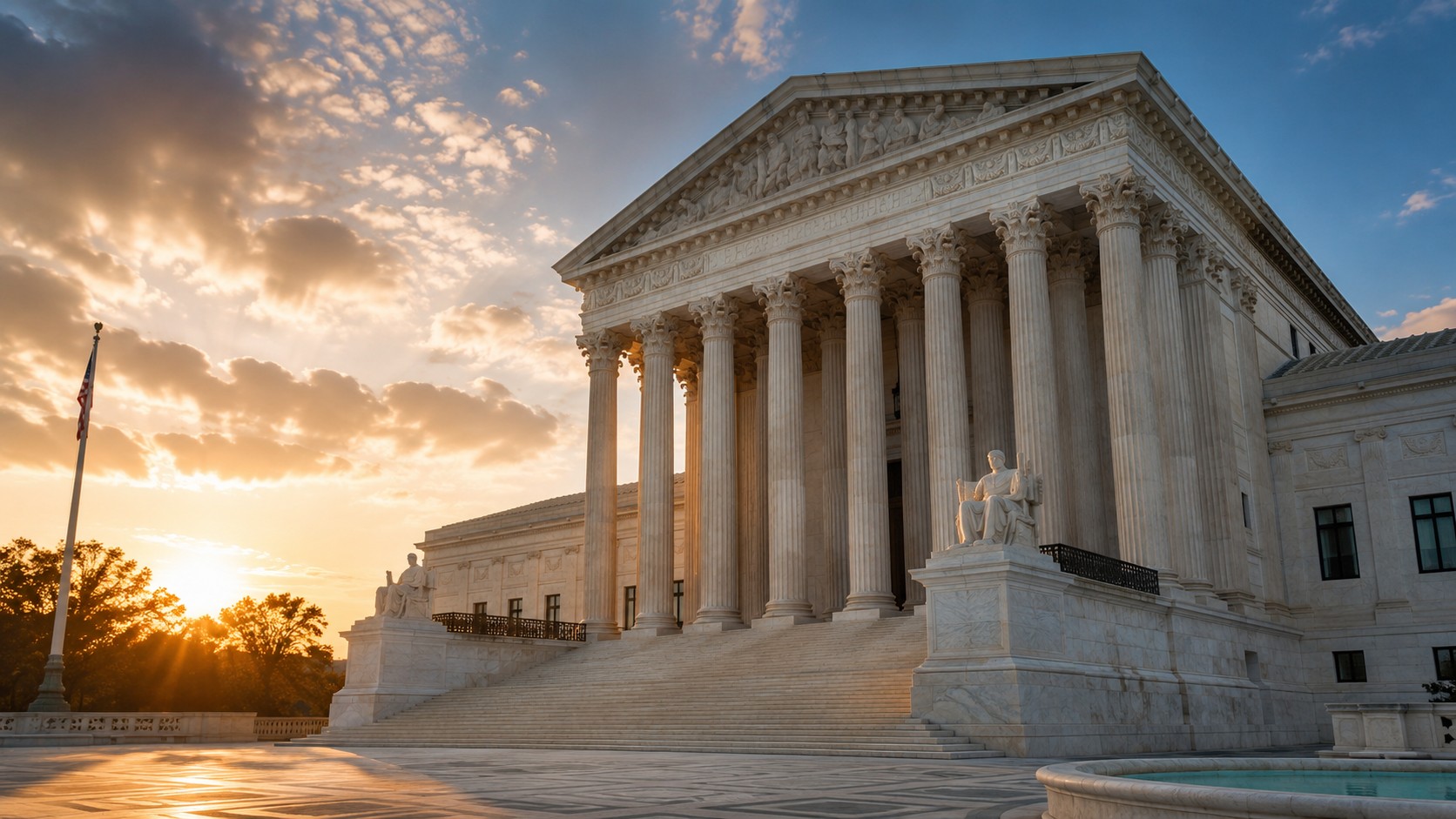
Franklin D. Roosevelt (1882–1945) was the 32nd President of the United States, serving from March 4, 1933, to April 12, 1945. A Democrat, he led the nation through the Great Depression and most of World War II.
Roosevelt reshaped the federal government's role in the economy through the New Deal, creating programs and institutions such as Social Security, the FDIC, and large-scale public works to relieve unemployment and stabilize finance.
He also guided the United States through World War II, overseeing mobilization, Lend-Lease, and Allied cooperation; his four-term presidency expanded the scope and influence of the executive branch and left a lasting global and domestic legacy, though some initiatives, like the 1937 court-packing plan, provoked controversy.
Implemented New Deal reforms including the Social Security Act; Stabilized banking and created the FDIC and SEC; Established large public works programs (WPA, CCC, TVA); Backed Lend-Lease and led U.S. mobilization in World War II; Elected to four terms, reshaping presidential precedent; Proposed 1937 Supreme Court reorganization (court-packing)
Key highlights and dated events associated with this presidency.
Showing 12 of 415 entries.
President Franklin D. Roosevelt delivered the ‘‘Quarantine Speech’’ in Chicago, urging nations to work together to ‘‘quarantine’’ aggressor states to prevent the spread of war and lawlessness.
Following his Senate confirmation on August 17, Hugo L. Black resigned his Senate seat and was sworn in as an Associate Justice of the U.S. Supreme Court on August 19, 1937.
The United States Senate confirmed President Franklin D. Roosevelt’s nomination of Alabama Senator Hugo L. Black to serve as an Associate Justice of the Supreme Court.
President Franklin D. Roosevelt formally nominated Senator Hugo L. Black to serve on the U.S. Supreme Court.
Franklin D. Roosevelt signed the Marihuana Tax Act into law, imposing federal taxation and regulatory controls on cannabis.
Senate Majority Leader Joseph T. Robinson (D–Arkansas), a major legislative ally of President Franklin D. Roosevelt, died on July 14, 1937.
Skirmishing between Japanese and Chinese forces at the Marco Polo Bridge near Beijing escalated on July 7, triggering widespread hostilities that developed into the Second Sino-Japanese War.
On May 30, 1937, Chicago police fired on a crowd of striking steelworkers and their supporters during a Memorial Day demonstration, killing ten and wounding many others.
The U.S. Supreme Court upheld a Washington state minimum-wage law for women in West Coast Hotel Co. v. Parrish, reversing earlier Court precedents that had struck down economic regulation.
On May 26, 1937, the Steel Workers Organizing Committee (SWOC) launched a nationwide strike against the
Amelia Earhart and navigator Fred Noonan departed Oakland, California on May 20, 1937 to begin their high‑profile around‑the‑world flight attempt.
King George VI was crowned in a coronation ceremony at Westminster Abbey in London on May 12, 1937.