Armistice Day proclamation and observance
President Calvin Coolidge issued the annual Armistice Day proclamation for November 11, 1926, urging remembrance of those who served in World War I and marking official observances.
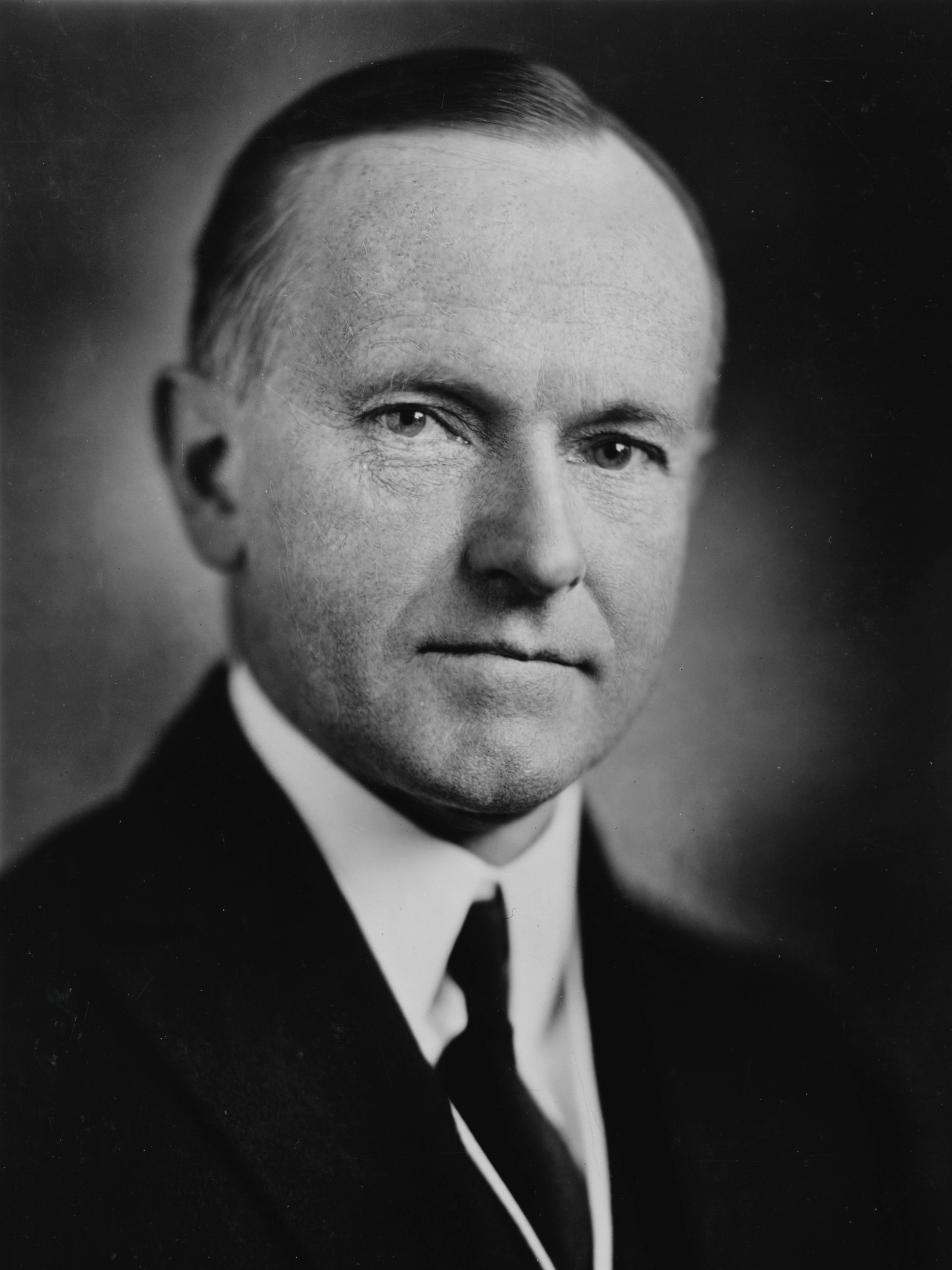
Calvin Coolidge, a Republican, served as the 30th president of the United States from August 2, 1923, to March 4, 1929 after succeeding Warren G. Harding. He was known for his quiet demeanor, frugality, and advocacy of limited government and pro‑business policies.
Coolidge presided over much of the Roaring Twenties, a period of economic growth; his administration pursued tax cuts, reduced federal spending, and favored business-friendly policies that many credit with sustaining short-term prosperity.
Historians debate his legacy: supporters praise his integrity, fiscal restraint, and restoration of public trust after earlier scandals, while critics argue his laissez-faire approach and limited regulation contributed to conditions that preceded the Great Depression. He also signed the Indian Citizenship Act (1924), supported the Dawes Plan for European reparations, and approved the Kellogg–Briand Pact.
Assumed the presidency after Warren G. Harding’s death (1923); enacted tax cuts and reduced federal spending to promote business growth; signed the Indian Citizenship Act (1924) granting Native Americans U.S. citizenship; supported the Dawes Plan (1924) to stabilize German reparations; signed the Kellogg–Briand Pact (1928) renouncing war
Key highlights and dated events associated with this presidency.
Showing 12 of 68 entries.
President Calvin Coolidge issued the annual Armistice Day proclamation for November 11, 1926, urging remembrance of those who served in World War I and marking official observances.

On 1926-11-02, the U.S. midterm elections resulted in Republican losses in both the House and the Senate, though the party retained its majorities in each chamber.
President Coolidge issued an official proclamation and delivered an Independence Day message marking the 150th anniversary (sesquicentennial) of the Declaration of Independence.
President Calvin Coolidge signed the Air Commerce Act into law, establishing federal regulation of civil aviation and creating the Aeronautics Branch in the Department of Commerce.
President Calvin Coolidge signed the Revenue Act of 1926, enacting significant reductions in individual income and estate taxes advocated by Treasury Secretary Andrew Mellon.
President Coolidge nominated Attorney General Harlan F. Stone to the Supreme Court of the United States.
President Coolidge delivered his annual message to Congress, outlining his administration’s priorities including fiscal conservatism, balanced budgets, and support for limited government and tax reductions.
President Coolidge issued the presidential proclamation formally designating Thursday, November 26, 1925, as a national day of Thanksgiving.
President Calvin Coolidge issued an Armistice Day message commemorating the armistice and honoring the service of World War I veterans.
An estimated 40,000–50,000 Ku Klux Klan members marched in Washington, D.C., parading past the Capitol and national monuments on August 8, 1925.
On July 21, 1925, teacher John T. Scopes was found guilty in Dayton, Tennessee, of violating the Butler Act by teaching evolution and was fined $100.
The trial of teacher John T. Scopes on a Tennessee charge of teaching evolution opened, drawing nationwide attention and prominent lawyers Clarence Darrow and William Jennings Bryan to the courtroom.