The POTUS Timeline
President #1

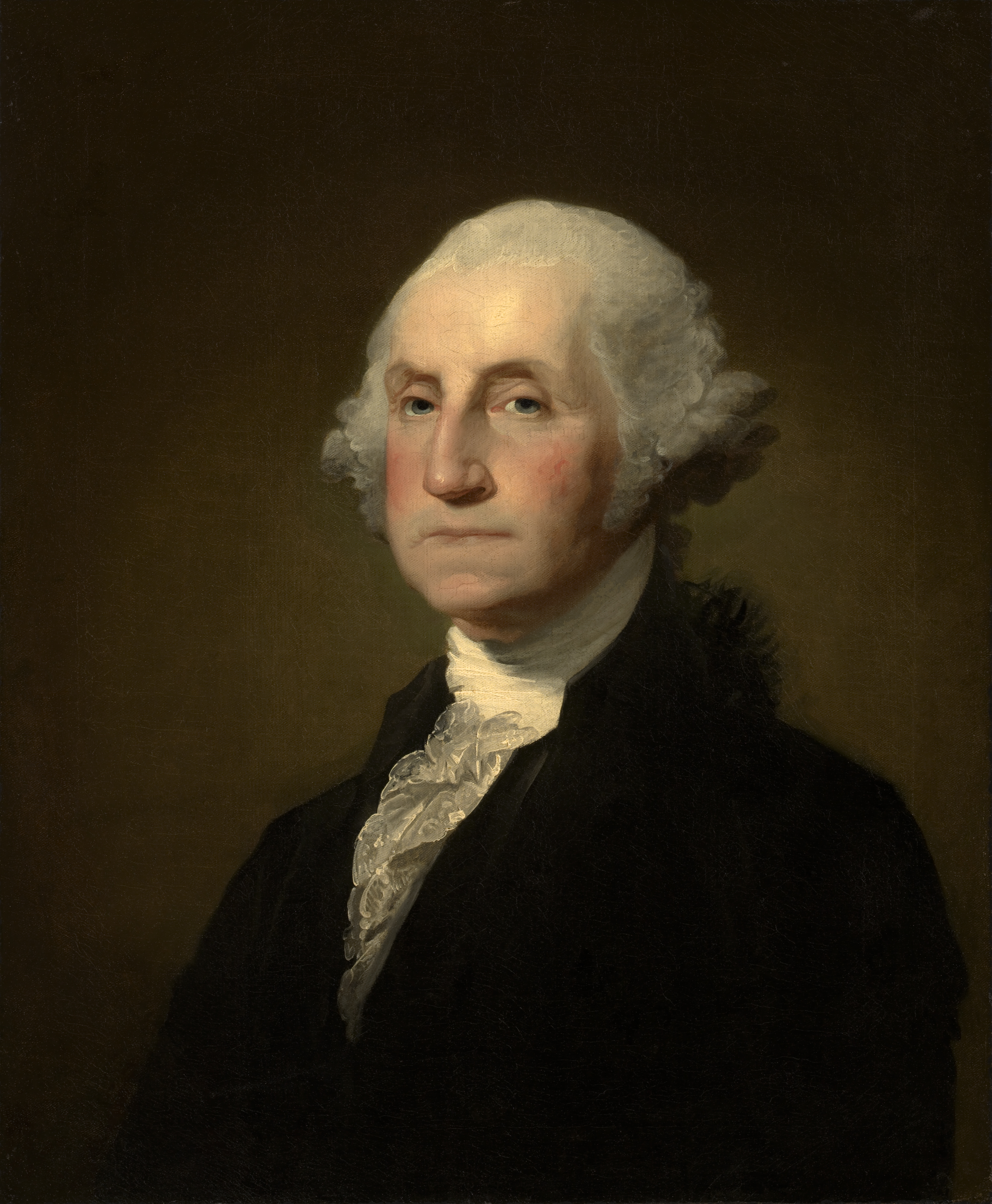
George Washington

George Washington (1732–1799) commanded the Continental Army and served as the first President of the United States from 1789 to 1797. He helped create federal institutions and set important presidential precedents, though his legacy is complicated by his ownership of enslaved people.

Legacy Summary

As commander of the Continental Army and the nation’s first president, George Washington led the United States through its formative years, establishing key institutions and precedents such as the presidential cabinet, the federal judiciary, and the peaceful transfer of power.

He helped stabilize the new federal government and promoted neutrality in foreign affairs, but his record is mixed: his actions shaped federal authority and American diplomacy while his ownership of enslaved people and contested policies remain central to assessments of his legacy.

Notable Actions

Led Continental Army to victory in the American Revolution; Unanimously elected first President (1789) and served two terms; Established the presidential cabinet and signed the Judiciary Act of 1789; Oversaw the ratification of the Bill of Rights; Issued the Neutrality Proclamation and wrote the Farewell Address advocating non-entanglement; Suppressed the Whiskey Rebellion and set the two-term presidential precedent

Timeline Entries

Key highlights and dated events associated with this presidency.

Showing 12 of 100 entries.

Browse full timeline
Washington Issues the Neutrality Proclamation
April 22, 1793 George Washington
Foreign Policy

Washington Issues the Neutrality Proclamation

President George Washington issued the Neutrality Proclamation declaring the United States neutral in the war between Britain and France and warning American citizens against taking part in hostilities.

Neutrality Proclamation
April 22, 1793 George Washington
Foreign Policy

Neutrality Proclamation

President Washington issued the Proclamation of Neutrality declaring the United States neutral in the war between France and Great Britain and warning Americans against acts that would involve the nation in hostilities.

Signs the Fugitive Slave Act of 1793
February 12, 1793 George Washington
Legislation

Signs the Fugitive Slave Act of 1793

President Washington signed the Fugitive Slave Act, authorizing federal officials and ordinary citizens to assist in the capture and return of escaped enslaved people.