

Annual message to Congress urging economy and reduced federal spending
Coolidge sent his first regular annual message to Congress calling for strict economy in government expenditures and a balanced federal budget.

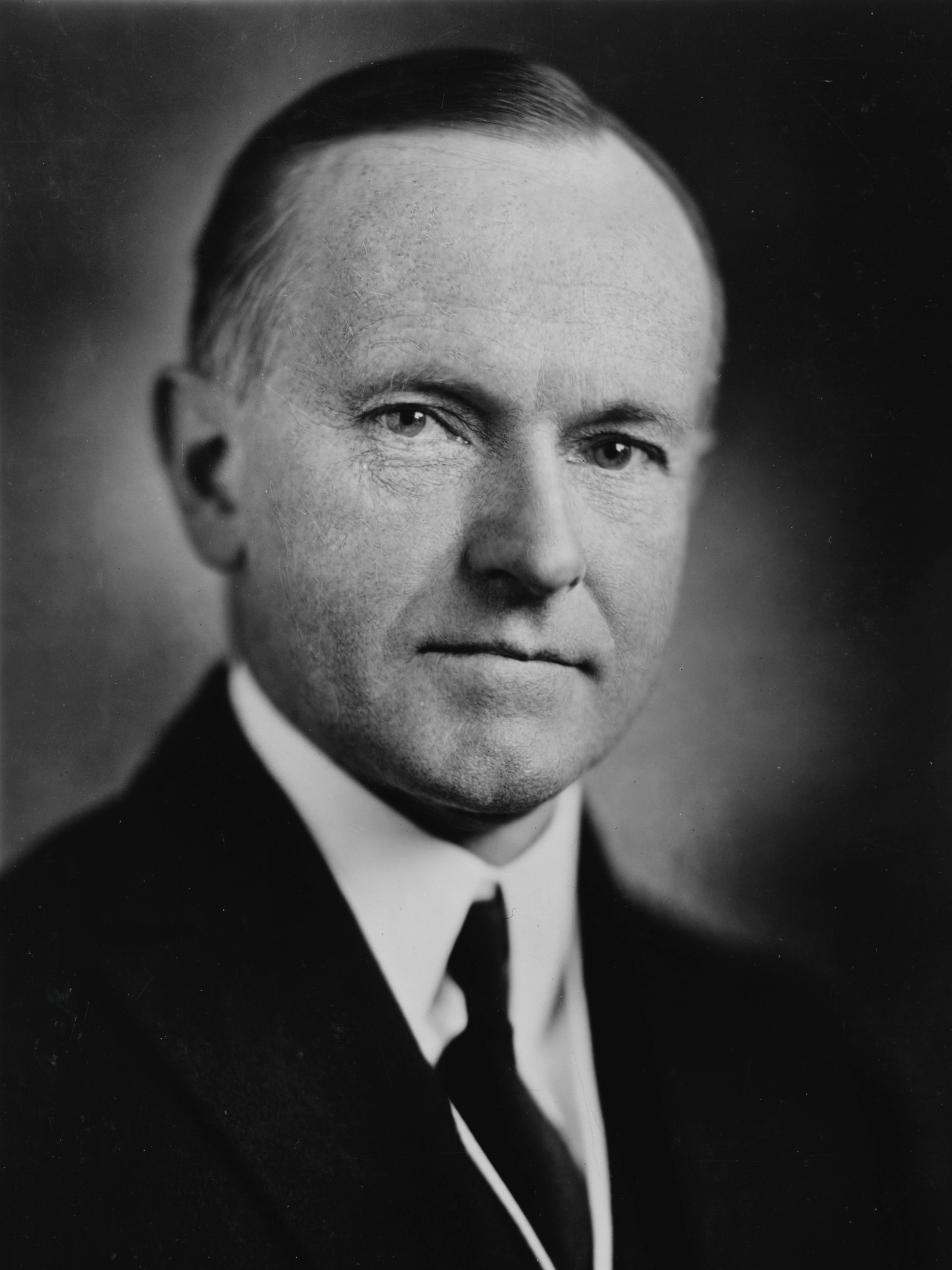
Calvin Coolidge, a Republican, served as the 30th president of the United States from August 2, 1923, to March 4, 1929 after succeeding Warren G. Harding. He was known for his quiet demeanor, frugality, and advocacy of limited government and pro‑business policies.
Coolidge presided over much of the Roaring Twenties, a period of economic growth; his administration pursued tax cuts, reduced federal spending, and favored business-friendly policies that many credit with sustaining short-term prosperity.
Historians debate his legacy: supporters praise his integrity, fiscal restraint, and restoration of public trust after earlier scandals, while critics argue his laissez-faire approach and limited regulation contributed to conditions that preceded the Great Depression. He also signed the Indian Citizenship Act (1924), supported the Dawes Plan for European reparations, and approved the Kellogg–Briand Pact.
Assumed the presidency after Warren G. Harding’s death (1923); enacted tax cuts and reduced federal spending to promote business growth; signed the Indian Citizenship Act (1924) granting Native Americans U.S. citizenship; supported the Dawes Plan (1924) to stabilize German reparations; signed the Kellogg–Briand Pact (1928) renouncing war
Key highlights and dated events associated with this presidency.
Showing 8 of 68 entries.
Coolidge sent his first regular annual message to Congress calling for strict economy in government expenditures and a balanced federal budget.
President Coolidge issued the annual Thanksgiving proclamation designating Thursday, November 29, 1923, as a day of national thanksgiving and prayer.
President Calvin Coolidge issued a proclamation marking Armistice Day and calling for national observance of the anniversary of the 1918 armistice.
To remove any legal doubt about his succession after being sworn in by his father in Vermont, Calvin Coolidge took the presidential oath again in Washington, D.C.
Following a period of lying in state in Washington, President Warren G. Harding's funeral services and burial were held in his hometown of Marion, Ohio, on August 10, 1923.
President Coolidge issued a proclamation directing official mourning and that flags be flown at half-staff following Harding’s death.
On August 3, 1923, Calvin Coolidge took the presidential oath of office at his family home in Plymouth Notch, Vermont, administered by his father, John Calvin Coolidge Sr., a notary public.
President Warren G. Harding died in San Francisco on August 2, 1923, and Vice President Calvin Coolidge succeeded to the office of President.