Bush Nominates John G. Roberts Jr. to the Supreme Court
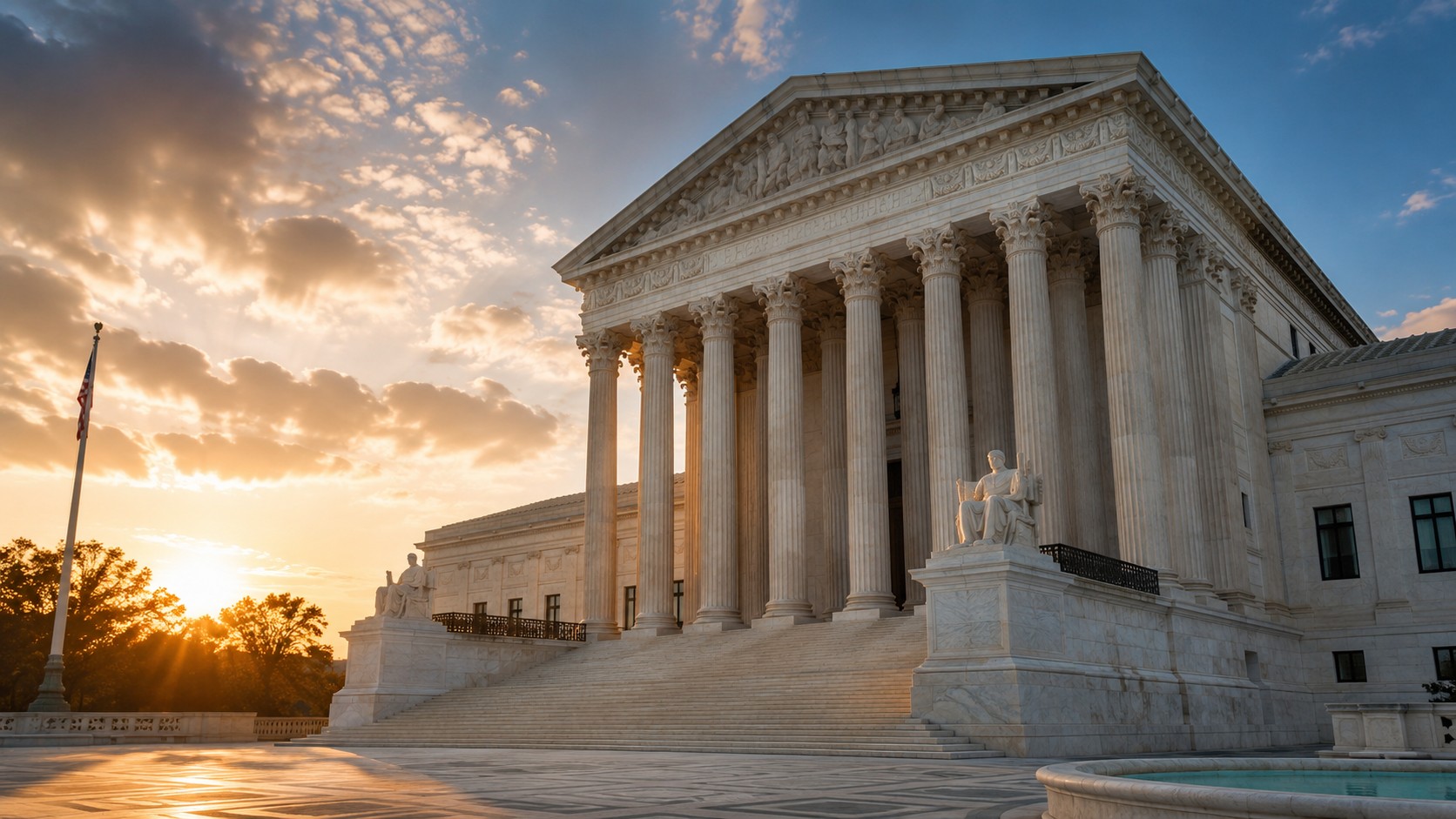
President Bush nominated U.S. Court of Appeals Judge John G. Roberts Jr. to the Supreme Court to fill the vacancy created by Justice O'Connor's announced retirement.
George W. Bush served as the 43rd President of the United States from January 20, 2001 to January 20, 2009. A Republican and former governor of Texas, his presidency was shaped by the response to the September 11, 2001 attacks and consequential domestic policies.
Bush's presidency is most widely remembered for the response to the September 11 attacks, the launch of the global War on Terror, and military campaigns in Afghanistan and Iraq. Decisions on intelligence, national security, and counterterrorism had long-lasting international and political effects.
On the domestic front, his administration passed major laws including the No Child Left Behind education reform and the Medicare Part D prescription drug benefit, and he appointed two Supreme Court justices. The 2008 financial crisis and emergency responses also significantly influenced assessments of his record.
Led U.S. response to 9/11 and launched the War on Terror; Ordered U.S. invasions of Afghanistan (2001) and Iraq (2003); Enacted No Child Left Behind education reform (2001); Created Medicare Part D prescription drug benefit (2003); Appointed Chief Justice John Roberts and Justice Samuel Alito; Responded to the 2008 financial crisis, including signing the TARP bailout
Key highlights and dated events associated with this presidency.
Showing 12 of 307 entries.
President Bush nominated U.S. Court of Appeals Judge John G. Roberts Jr. to the Supreme Court to fill the vacancy created by Justice O'Connor's announced retirement.

Hurricane Dennis struck the U.S. Gulf Coast near Santa Rosa Island, Florida, and the White House directed federal agencies, including FEMA, to support state and local emergency operations.
President Bush joined other G8 leaders at the Gleneagles summit, where they issued a communiqué committing to increased aid and debt relief for Africa and addressed climate and trade issues.
After coordinated suicide bomb attacks on London's transit system killed and injured dozens, President Bush publicly condemned the attacks, expressed condolences to the victims, and offered U.S. intelligence and law-enforcement assistance to the United Kingdom.
Associate Justice Sandra Day O'Connor announced she would retire from the Supreme Court at the end of the term, creating a vacancy for President Bush to fill.
On June 30, 2005 the U.S. House passed the implementing legislation for the Central America‑Dominican Republic Free Trade Agreement (CAFTA) by a 217–215 vote.
The U.S. Supreme Court ruled (5–4) that Ten Commandments displays in two Kentucky county courthouses violated the Establishment Clause.
The U.S. Supreme Court ruled (5–4) that a Ten Commandments monument on the Texas State Capitol grounds did not violate the Establishment Clause.
The Supreme Court ruled (5–4) that the use of eminent domain to transfer land from one private owner to another to further economic development qualifies as a 'public use' under the Fifth Amendment.
The U.S. Supreme Court held (6–3) that Congress may prohibit the local cultivation and use of marijuana under the Commerce Clause, upholding federal authority to enforce the Controlled Substances Act against home-grown medical marijuana.
President George W. Bush signed the REAL ID Act of 2005, establishing federal standards for state-issued driver's licenses and identification cards.
The U.S. Senate confirmed John D. Negroponte as Director of National Intelligence on April 21, 2005.