Federal COVID-19 public health emergency officially ends
The U.S. federal COVID-19 public health emergency ended on May 11, 2023, terminating special reporting requirements and many emergency-era health authorities.

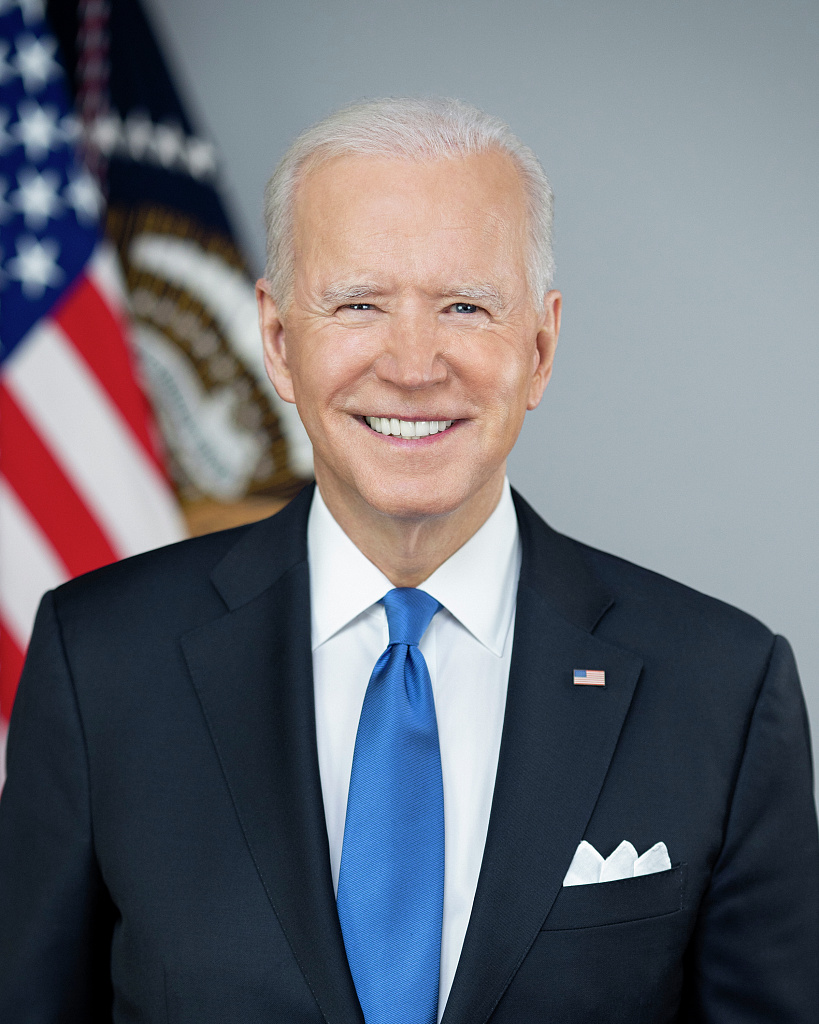
Joe Biden served as the 46th President of the United States from January 20, 2021 to January 20, 2025. A Democrat, his administration prioritized COVID-19 recovery, economic relief, infrastructure investment, and climate policy with Kamala Harris as vice president.
Biden's presidency focused on managing the COVID-19 pandemic's aftermath and stabilizing the economy through the American Rescue Plan, while passing major legislation such as the Bipartisan Infrastructure Law and the Inflation Reduction Act to invest in infrastructure, clean energy, and health care.
On foreign policy he oversaw the 2021 withdrawal from Afghanistan and led sustained U.S. support for Ukraine after Russia's 2022 invasion; his tenure emphasized restoring alliances, addressing global challenges, and shaping the federal judiciary with key appointments.
Passed the American Rescue Plan for COVID-19 relief (2021); Enacted the Infrastructure Investment and Jobs Act (2021); Signed the Inflation Reduction Act advancing climate and health policy (2022); Oversaw the U.S. withdrawal from Afghanistan (2021); Led sustained U.S. support for Ukraine after Russia's 2022 invasion; Appointed Justice Ketanji Brown Jackson to the Supreme Court
Key highlights and dated events associated with this presidency.
Showing 12 of 255 entries.
The U.S. federal COVID-19 public health emergency ended on May 11, 2023, terminating special reporting requirements and many emergency-era health authorities.
On May 11, 2023 the CDC's public‑health order that had authorized Title 42 expulsions of migrants at the U.S. border expired, ending the Trump‑era pandemic policy.
President Biden formally announced his bid for a second term in office with a campaign video released on April 25, 2023.
The Biden administration announced it would provide cluster munitions to Ukraine to assist its defense against the Russian invasion.
On March 16, 2023 a consortium of large U.S. banks agreed to place $30 billion in deposits at First Republic Bank to shore up its liquidity and reassure markets.
On March 12, 2023 the New York State Department of Financial Services closed Signature Bank and the Federal Deposit Insurance Corporation was appointed receiver.
On March 12 the Federal Reserve unveiled the Bank Term Funding Program (BTFP), offering one‑year loans to banks against high‑quality securities at par value to address liquidity pressures following recent bank failures.
President Biden delivered remarks on the failures of Silicon Valley Bank and Signature Bank, announcing that his administration would ensure depositors would be made whole and directing regulators to take steps to protect the broader financial system.
On March 10, California banking regulators closed Silicon Valley Bank and the Federal Deposit Insurance Corporation was named receiver after a rapid depositor run and failed rescue efforts.
The White House released the Administration’s Fiscal Year 2024 budget proposal outlining spending priorities, proposed tax changes for corporations and high earners, and new investments in domestic programs and defense.
President Biden released an official statement and delivered remarks recognizing International Women's Day and highlighting the administration’s commitments to women's rights and gender equity.
President Biden issued the annual Presidential Proclamation marking March as Women's History Month and recognizing the contributions of women to the nation.