Roosevelt offers U.S. mediation in the Russo–Japanese War
On June 8, 1905 President Theodore Roosevelt informed the governments of Russia and Japan that the United States was willing to mediate peace negotiations to end the Russo–Japanese War.
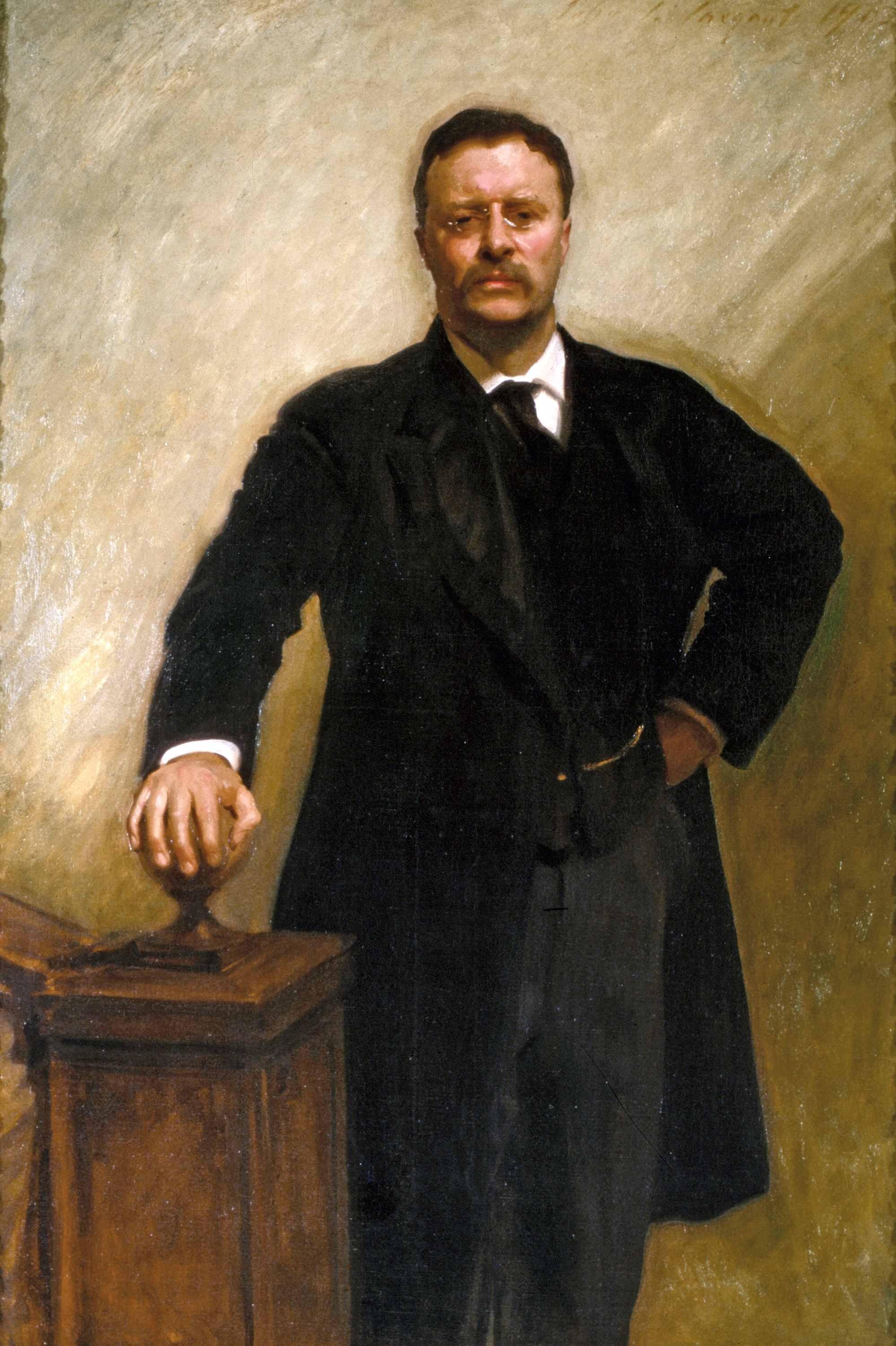
Theodore Roosevelt was the 26th president of the United States, serving from 1901 to 1909 after succeeding William McKinley. A Republican reformer and conservationist, he expanded federal regulation, trust-busting, and American influence abroad.
Roosevelt broadened the role of the federal government in regulating business and protecting consumers. His "Square Deal" policies included antitrust actions, the Pure Food and Drug Act, and major conservation initiatives that created national parks, forests, and monuments.
He transformed the presidency into a more active office and pursued an assertive foreign policy summarized by "speak softly and carry a big stick." He mediated the end of the Russo-Japanese War, advanced construction of the Panama Canal, and left a lasting impact on American institutions and global presence.
Assumed the presidency after William McKinley’s assassination (1901); Launched the "Square Deal" with trust-busting and regulatory reforms; Enacted the Pure Food and Drug Act and Meat Inspection Act (1906); Established national parks, forests, and monuments through expanded conservation policy; Brokered peace in the Russo-Japanese War, receiving the 1906 Nobel Peace Prize; Supported Panama Canal construction and demonstrated U.S. naval power (Great White Fleet).
Key highlights and dated events associated with this presidency.
Showing 12 of 136 entries.
On June 8, 1905 President Theodore Roosevelt informed the governments of Russia and Japan that the United States was willing to mediate peace negotiations to end the Russo–Japanese War.
In Lochner v. New York (1905) the U.S. Supreme Court invalidated a New York statute limiting bakers' working hours, holding it violated freedom of contract under the Fourteenth Amendment.
On March 4, 1905, Theodore Roosevelt was sworn in for his elected full term and delivered an inaugural address that reiterated his progressive 'Square Deal' themes, including regulation of corporations and conservation.
Roosevelt appointed Gifford Pinchot to lead the newly organized U.S. Forest Service following the Transfer Act.
President Roosevelt signed the Transfer Act of 1905, transferring administration of federal forest reserves from the Department of the Interior to the Department of Agriculture.
Roosevelt signed the Transfer Act on February 1, 1905, moving administration of federal forest reserves from the Department of the Interior to the Department of Agriculture.
President Theodore Roosevelt signed the Transfer Act, shifting administration of the federal forest reserves from the Department of the Interior to the Department of Agriculture.
President Theodore Roosevelt signed the Transfer Act (Forest Transfer Act) which moved administration of the federal forest reserves from the Department of the Interior to the Department of Agriculture.
President Theodore Roosevelt signed the Transfer Act, transferring administration of federal forest reserves from the Department of the Interior to the Department of Agriculture.
Following the Transfer Act, Roosevelt appointed Gifford Pinchot as the first Chief of the newly organized U.S. Forest Service in the Department of Agriculture.
President Theodore Roosevelt signed the Transfer Act (approved February 1, 1905), moving the federal forest reserves from the Department of the Interior to the Department of Agriculture.
Electors in the states met to cast their ballots, formally recording Theodore Roosevelt's victory in the 1904 presidential election with Charles W. Fairbanks as vice president-elect.