1990 Midterm Elections — Democrats Retain Control of Congress
On November 6, 1990, U.S. midterm elections were held and Democrats retained control of both the House and the Senate.
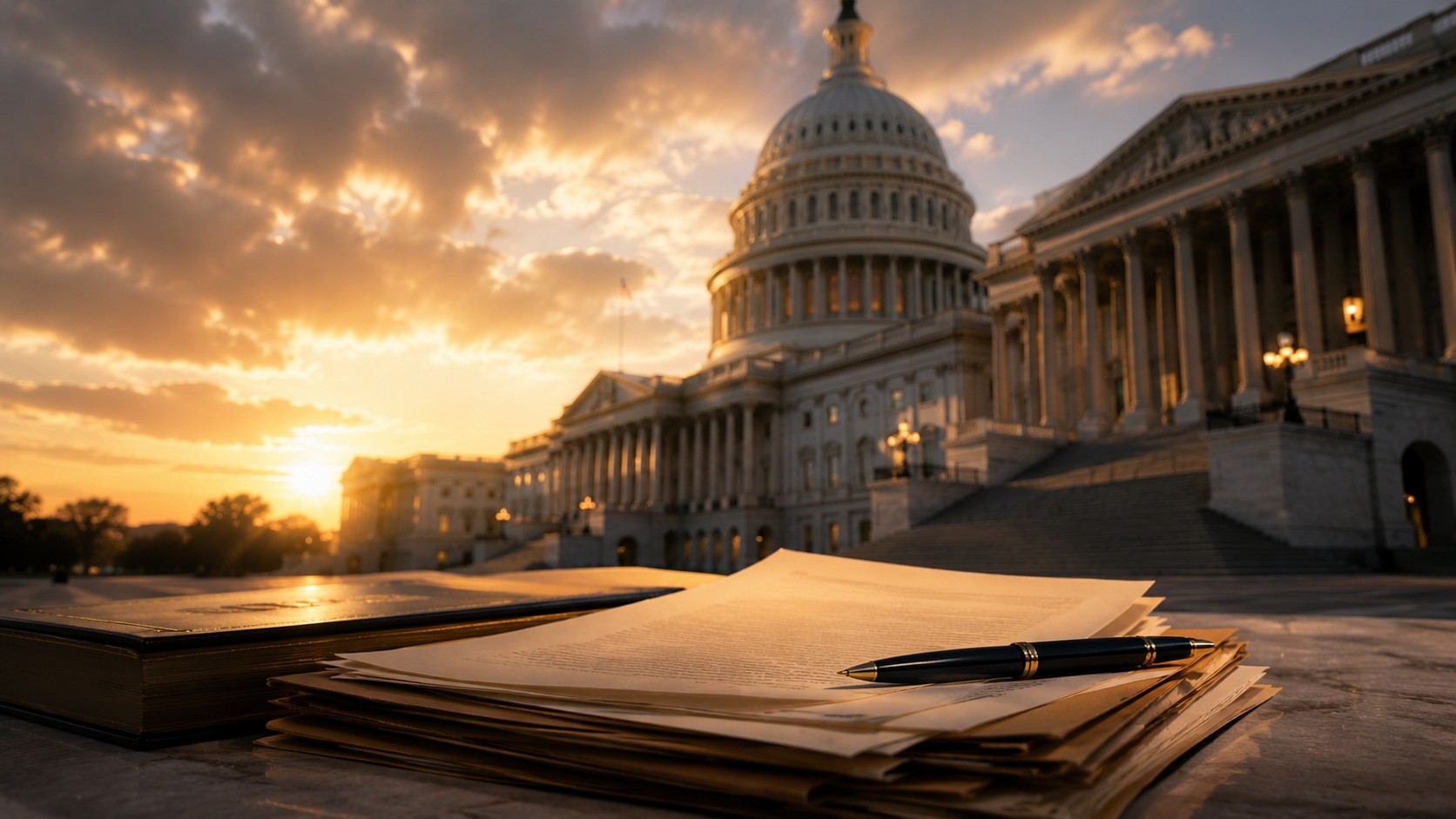
George H. W. Bush was the 41st president of the United States, serving from January 20, 1989, to January 20, 1993. A Republican and former vice president under Ronald Reagan, he led U.S. foreign policy through the end of the Cold War and the Gulf War.
Bush’s presidency is remembered chiefly for its foreign policy: he guided U.S. diplomacy during the collapse of the Soviet bloc, helped manage German reunification, and assembled an international coalition that liberated Kuwait in the 1990–91 Gulf War.
On the domestic front he signed major laws including the Americans with Disabilities Act and the 1990 Clean Air Act amendments, but his acceptance of a 1990 budget deal that raised taxes despite a campaign pledge hurt his political standing and contributed to his 1992 reelection defeat.
Led international coalition in the 1990–91 Gulf War to liberate Kuwait; Guided U.S. diplomacy during the end of the Cold War and German reunification; Signed the Americans with Disabilities Act into law (1990); Signed the Clean Air Act Amendments (1990); Agreed to a 1990 budget deal that included tax increases despite a campaign pledge
Key highlights and dated events associated with this presidency.
Showing 12 of 136 entries.
On November 6, 1990, U.S. midterm elections were held and Democrats retained control of both the House and the Senate.
President George H. W. Bush signed the Omnibus Budget Reconciliation Act of 1990, a bipartisan deficit-reduction package that included tax increases, spending restraints, and the Budget Enforcement Act.
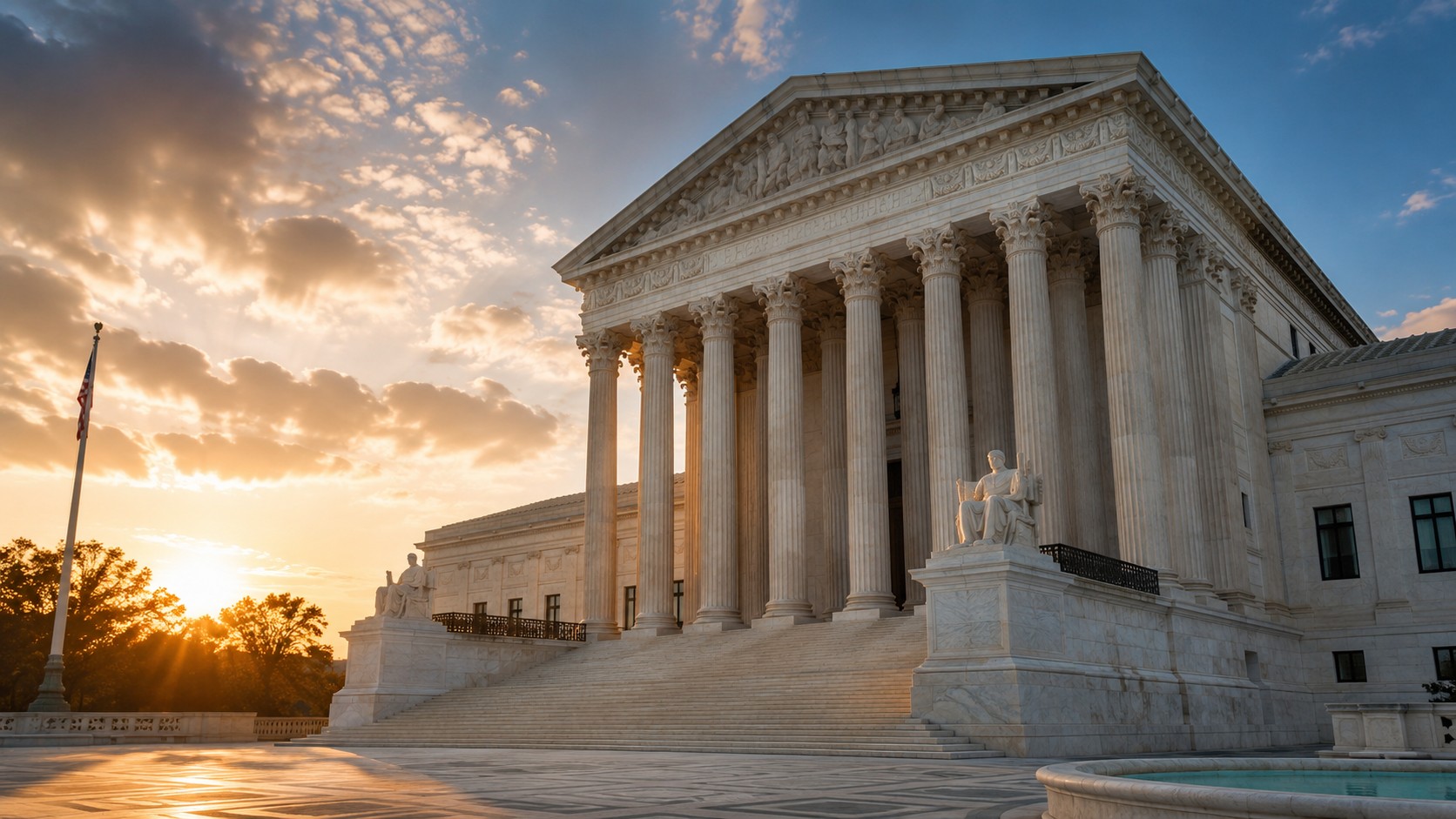
David H. Souter took the judicial oath and formally assumed his seat on the U.S. Supreme Court.
As East and West Germany officially reunified on October 3, 1990, President Bush issued public statements welcoming unification and affirming U.S. support for a unified Germany's integration into NATO.
The U.S. Senate voted to confirm President George H. W. Bush's nominee David Souter to the Supreme Court.
President George H. W. Bush addressed the UN General Assembly in New York, urging collective international action against Iraq's invasion of Kuwait.
The UN Security Council adopted Resolution 667, formally condemning Iraq’s purported annexation of Kuwait and demanding that Iraq rescind actions that violated Kuwait’s sovereignty and release foreign nationals.
The UN Security Council adopted Resolution 666 demanding that Iraq allow inspection and distribution of humanitarian aid and protect civilians in occupied Kuwait, a measure the United States publicly supported.
On September 12, 1990, the United States, represented by Secretary of State James Baker, joined the other Allied powers in signing the Two‑Plus‑Four Treaty in Moscow, formally settling the external aspects of German reunification.
President George H. W. Bush addressed a joint session of Congress urging a strong international response to Iraq’s invasion of Kuwait and articulating the concept of a 'new world order.'
The Security Council passed Resolution 665, authorizing member states to use maritime interception to implement the UN trade embargo against Iraq and Kuwait.
The UN Security Council passed Resolution 664, calling on Iraq to permit immediate access for international humanitarian organizations to Kuwait and to allow the departure of foreign nationals.