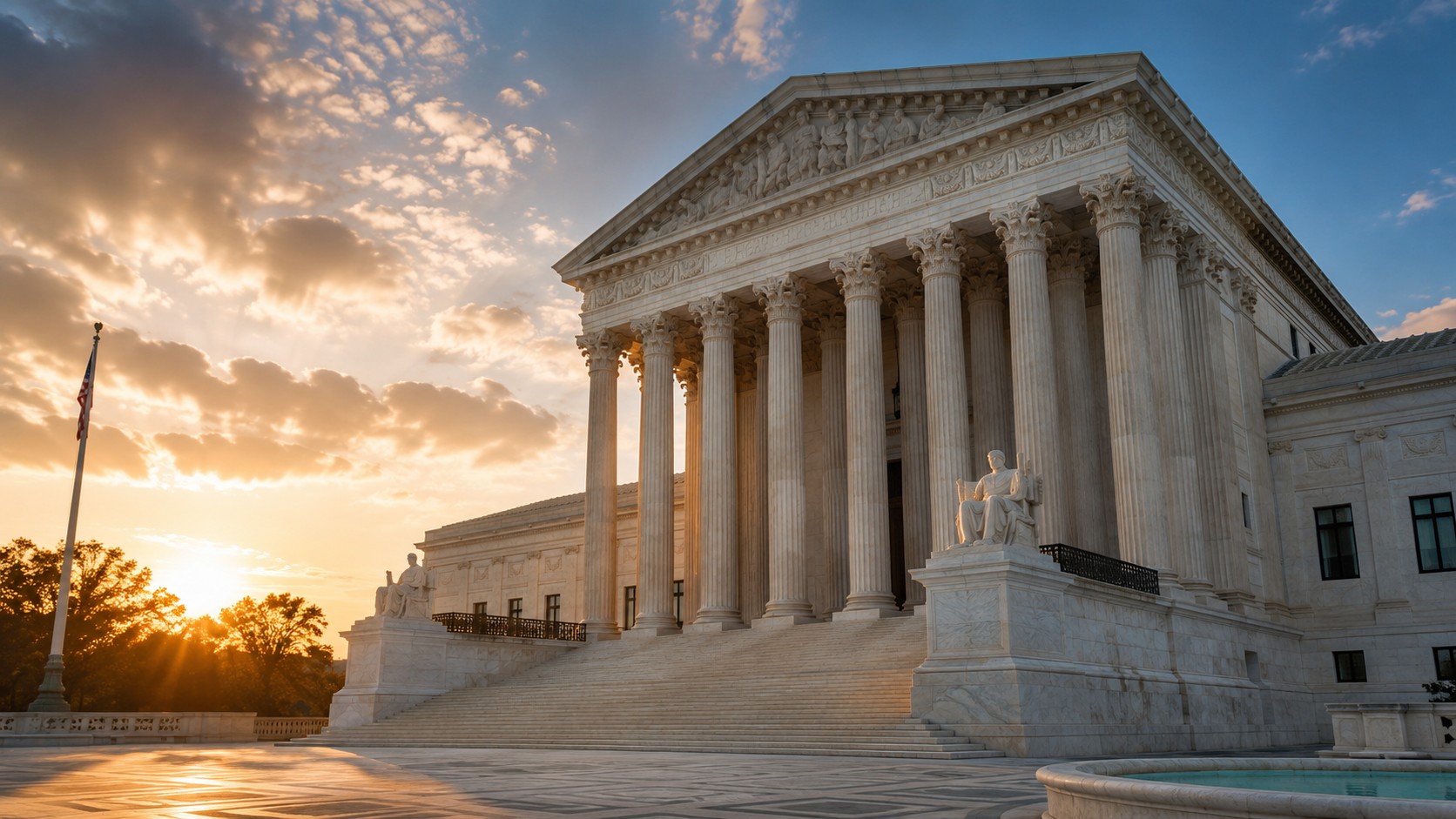
President announces nomination for U.S. Attorney General
The President formally nominated a candidate to be U.S. Attorney General and submitted the nomination to the Senate for confirmation hearings.
Donald J. Trump is an American businessman and Republican politician who returned to the presidency on January 20, 2025, serving with Vice President J.D. Vance. He previously served as president from 2017 to 2021 and is known for populist domestic and trade policies, deregulation efforts, and conservative judicial appointments.
Trump's presidencies reshaped the federal judiciary through multiple Supreme Court appointments and advanced a deregulatory, tax-cutting agenda that supporters credit with stimulating economic growth and shifting federal policy priorities. His administration pursued an assertive trade policy, tightened immigration enforcement, and enacted criminal‑justice reform and other legislative and executive measures that altered Washington's policy landscape.
At the same time, Trump's tenure was highly polarizing, marked by two impeachments and contentious relations with traditional allies and institutions; critics argue his style and rhetoric increased political polarization and weakened norms. His electoral comeback and continued influence have reshaped the Republican Party and American political discourse, leaving a contested but lasting imprint on governance and civic life.

Elected president in 2016 (served 2017–2021) and again in 2024, inaugurated 2025; Appointed three Supreme Court justices, shifting the judiciary rightward; Enacted the 2017 Tax Cuts and Jobs Act and pursued broad deregulation; Implemented tariffs and a confrontational trade policy toward China; Withdrew the U.S. from the Paris climate agreement and the Iran nuclear deal; Oversaw passage of the First Step Act and faced two impeachments
Key highlights and dated events associated with this presidency.
Showing 12 of 1005 entries.
The President formally nominated a candidate to be U.S. Attorney General and submitted the nomination to the Senate for confirmation hearings.
The president signed a sanctions package targeting senior Iranian Revolutionary Guard and Houthi commanders, along with affiliated shipping and finance networks, citing their roles in attacks on commercial shipping and regional destabilization.
The Department of Agriculture unveils an emergency support package—including direct payments and commodity purchase programs—for U.S. growers affected by China s retaliatory tariffs on American agricultural products.
U.S. forces carried out targeted strikes against Houthi missile and weapons-launching positions in Yemen after a series of Houthi-linked attacks on commercial vessels in the Red Sea and Gulf of Aden; the President said the action was defensive and aimed at protecting freedom of navigation.
In response to the administration's recent tariffs on Chinese electric vehicles and high-tech goods, Chinese authorities announced tariffs targeting U.S. soy, pork, and other agricultural exports.
The White House announced new tariffs targeting Chinese-made electric vehicles, advanced semiconductors and selected critical-mineral products, saying the measures aim to protect U.S. manufacturers and counter unfair trade practices.
The president issued an executive order barring asylum claims for certain migrants who enter between ports of entry, expanding expedited-removal procedures and directing agencies to increase detention capacity and expedited processing.
The President issued an executive order declaring a national emergency on the southern border and directed federal agencies to reallocate existing funds to accelerate construction and enhancements of physical barriers and related infrastructure.
The Department of Justice's inspector general (or appropriate DOJ oversight office) announces a preliminary review to determine whether proper procedures and laws were followed in issuing pardons and commutations that were publicized on X.
Following the president's June 28 posts on X announcing pardons and commutations, members of both parties introduce resolutions and request documents; House and Senate Judiciary committees open staff-level inquiries into the use of informal social-media channels for clemency actions.
The president used a post on X to announce a series of pardons and commutations for individuals convicted in politically charged cases; the informal announcement preceded formal paperwork and drew immediate criticism from opponents and legal observers.
With White House approval, the Commerce Department announces restrictions on exports of high-performance AI accelerators, advanced-node semiconductor equipment, and related technologies to China and designated entities for national-security reasons.