Legacy Summary
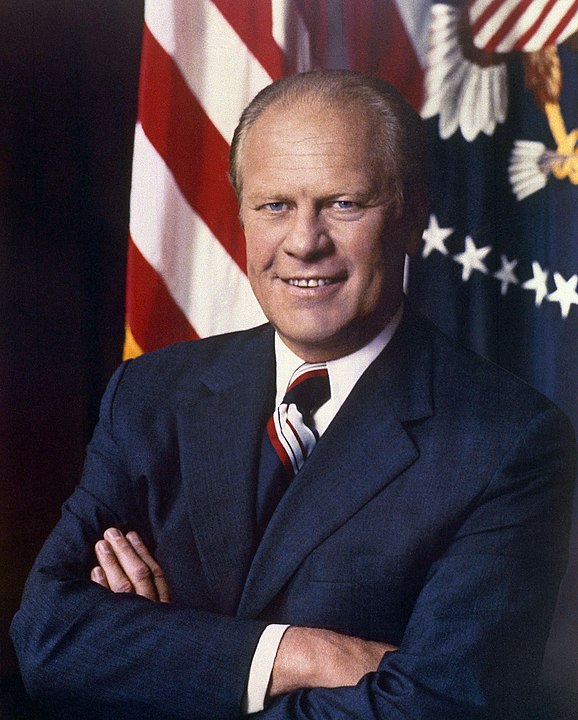
Ford assumed the presidency at the height of the Watergate crisis and sought to restore trust in government; his decision to grant Richard Nixon a full pardon was intended to move the nation forward but proved politically costly. He presided over the end stages of U.S. involvement in Vietnam, signed the Helsinki Accords to ease Cold War tensions, appointed John Paul Stevens to the Supreme Court, and is remembered for his plainspoken integrity and emphasis on national healing.
Historians credit Ford with stabilizing the executive branch after Watergate and making pragmatic decisions amid economic and international challenges, though some of those choices—most notably the Nixon pardon—remain controversial in assessments of his presidency.
Notable Actions
Succeeded Richard Nixon following his resignation (Aug 9, 1974); Granted a full pardon to Richard Nixon (1974); Managed U.S. response to the Fall of Saigon and the Mayaguez incident (1975); Signed the Helsinki Accords to reduce Cold War tensions (1975); Appointed John Paul Stevens to the Supreme Court (1975); Signed the Education for All Handicapped Children Act (1975)
Timeline Entries
Key highlights and dated events associated with this presidency.
No timeline entries yet
No timeline entries have been added for this president yet.