December 14, 1896
•
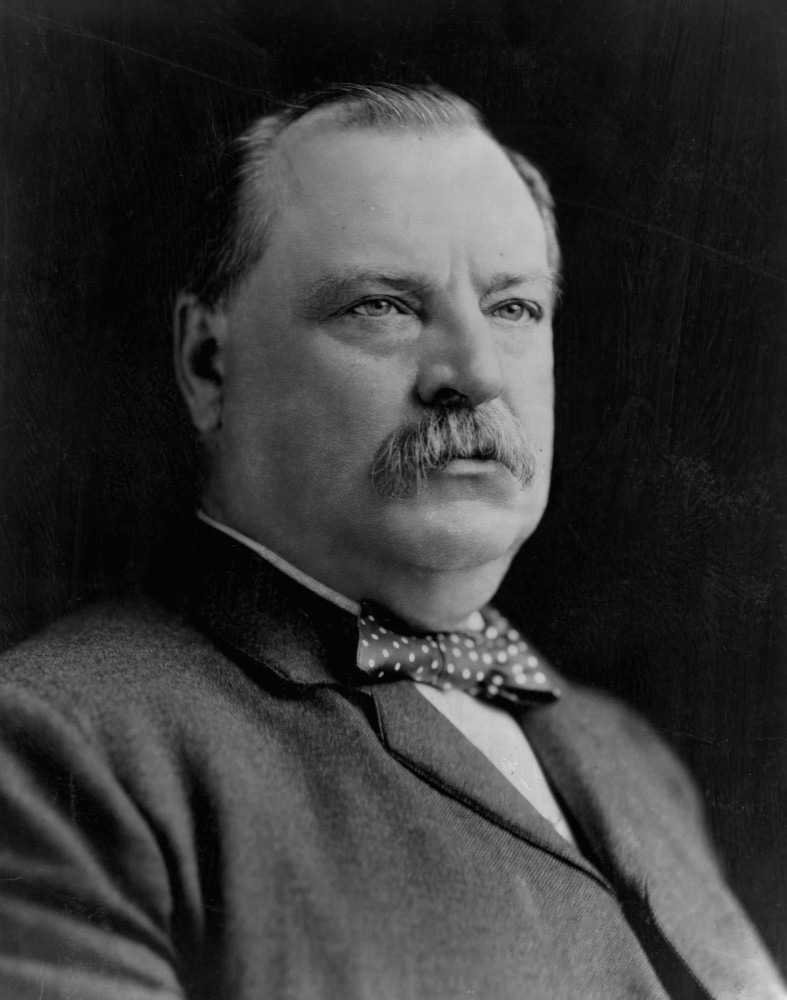
Grover Cleveland
Election / Transition
Electoral College casts votes confirming William McKinley victory
On December 14, 1896, the state electors met in their respective capitals and cast their Electoral College ballots, confirming Republican William McKinley and running mate Garret Hobart as president‑elect and vice president‑elect.