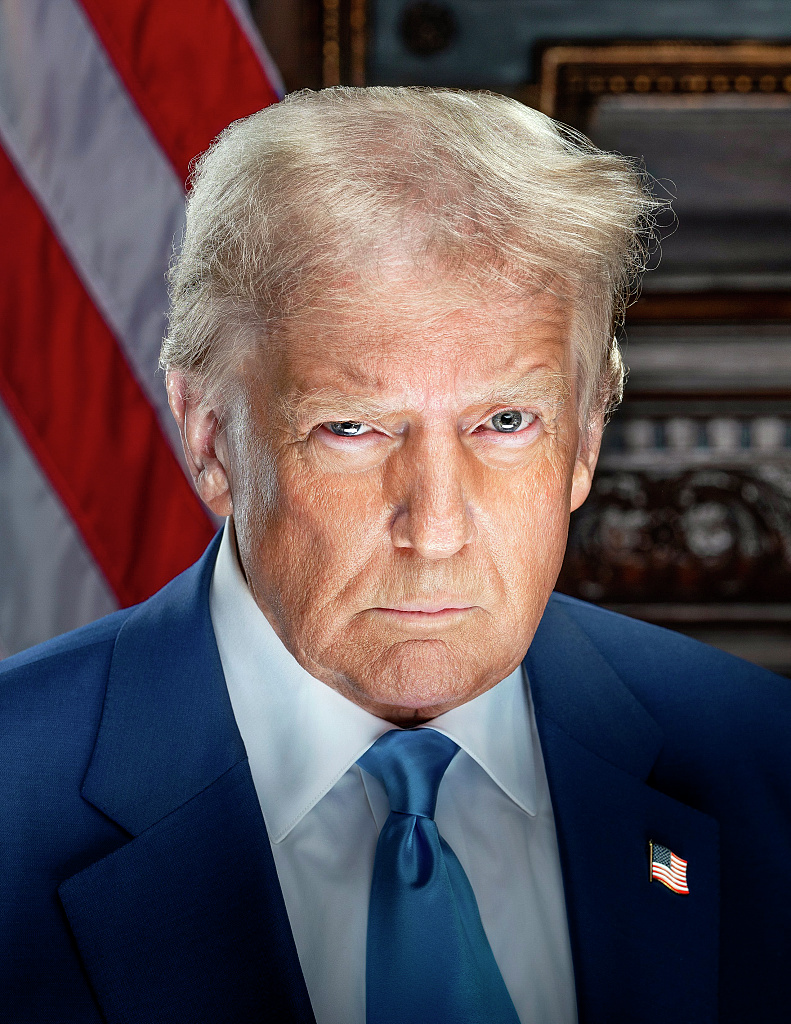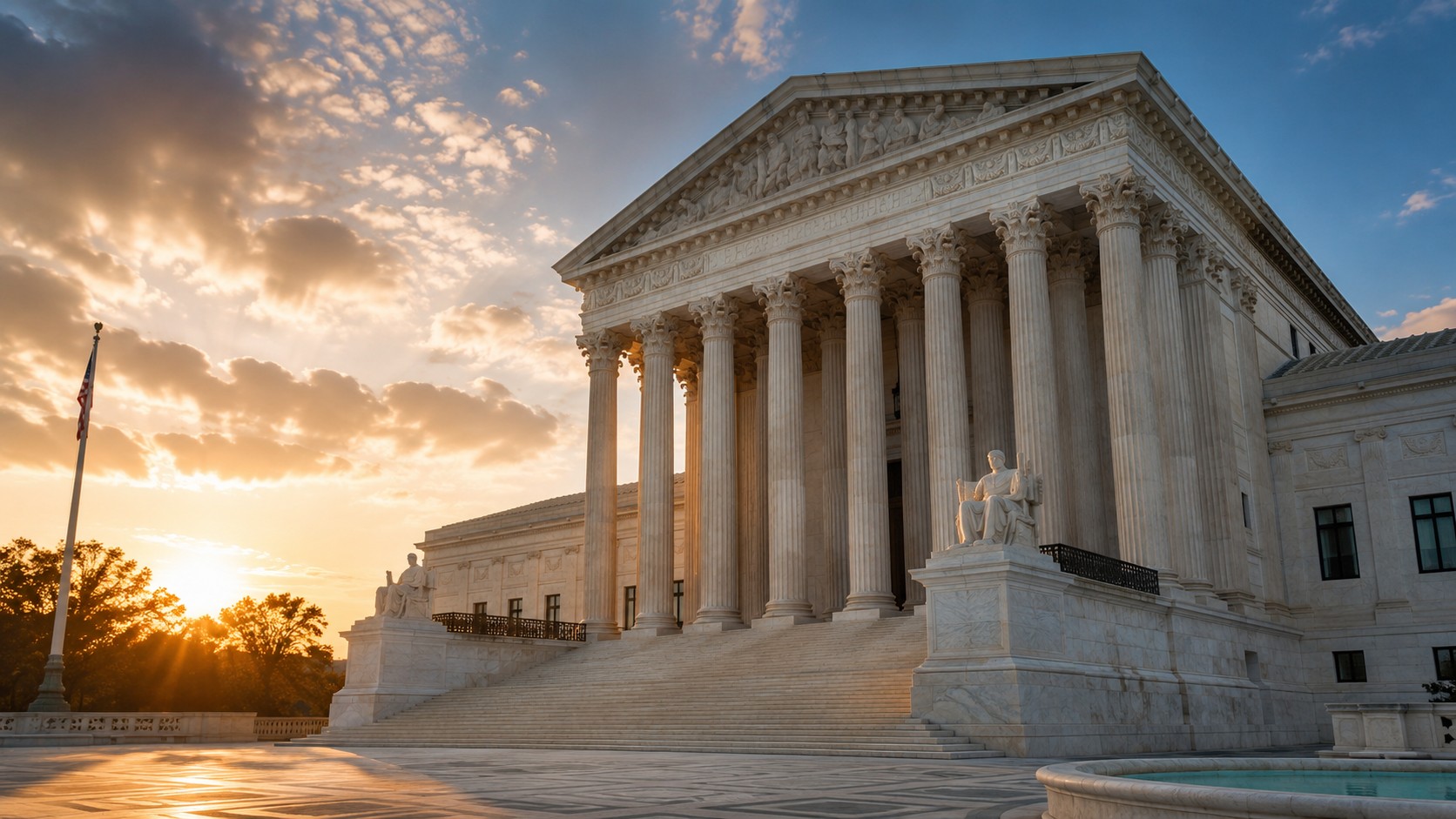
The Supreme Court has struck down President Trump's executive order that sought to eliminate birthright citizenship for children born in the United States to non-citizen parents. This decision is a significant legal setback for Trump, who has long advocated for changes to immigration policy that would restrict citizenship rights. The ruling underscores the judiciary's role in interpreting constitutional rights and limits the executive branch's power in altering established legal precedents.
This ruling comes at a time when immigration remains a contentious issue in American politics, and Trump's attempts to reshape immigration laws through executive action have faced numerous legal challenges. The court's decision reinforces the principle that citizenship rights are constitutionally protected and cannot be unilaterally revoked by executive order.
The implications of this ruling are far-reaching, as it not only affects current immigration policy but also sets a precedent for future executive actions regarding citizenship and immigration. The decision is likely to influence ongoing debates about immigration reform and the rights of individuals born in the U.S.