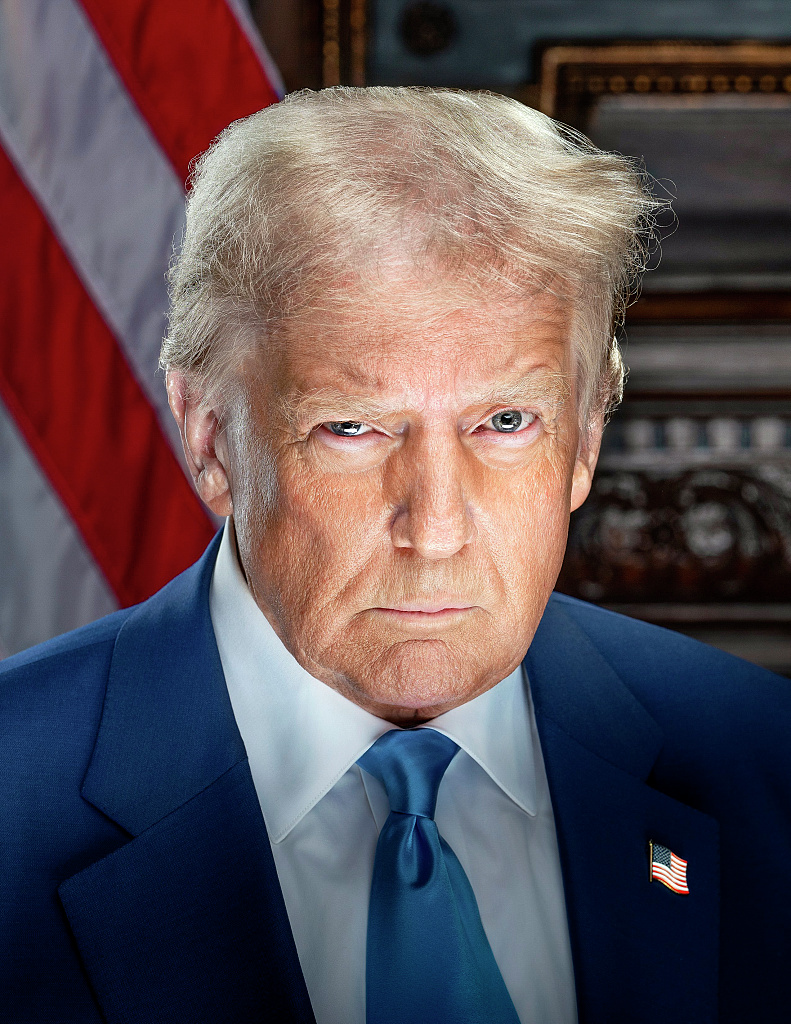
President Trump defended his controversial decision to waive sanctions on Russia, asserting that it was necessary to keep peace negotiations alive. In a series of statements, he criticized Ukrainian President Volodymyr Zelenskyy, accusing him of prolonging the conflict by not engaging constructively in the negotiations. Trump's remarks have drawn significant attention and criticism, particularly in light of the ongoing war in Ukraine.
The defense of his sanctions relief comes amid increasing scrutiny from both political opponents and allies. Critics argue that Trump's approach could undermine efforts to hold Russia accountable for its actions and weaken U.S. standing in international affairs. The president's comments reflect a broader strategy to shift blame onto Zelenskyy, which some analysts view as an attempt to deflect criticism from his administration.
This situation highlights the complexities of U.S. foreign policy in the region and raises questions about the effectiveness of Trump's diplomatic strategies. As the midterm elections approach, the implications of this decision could resonate with voters concerned about national security and international relations.