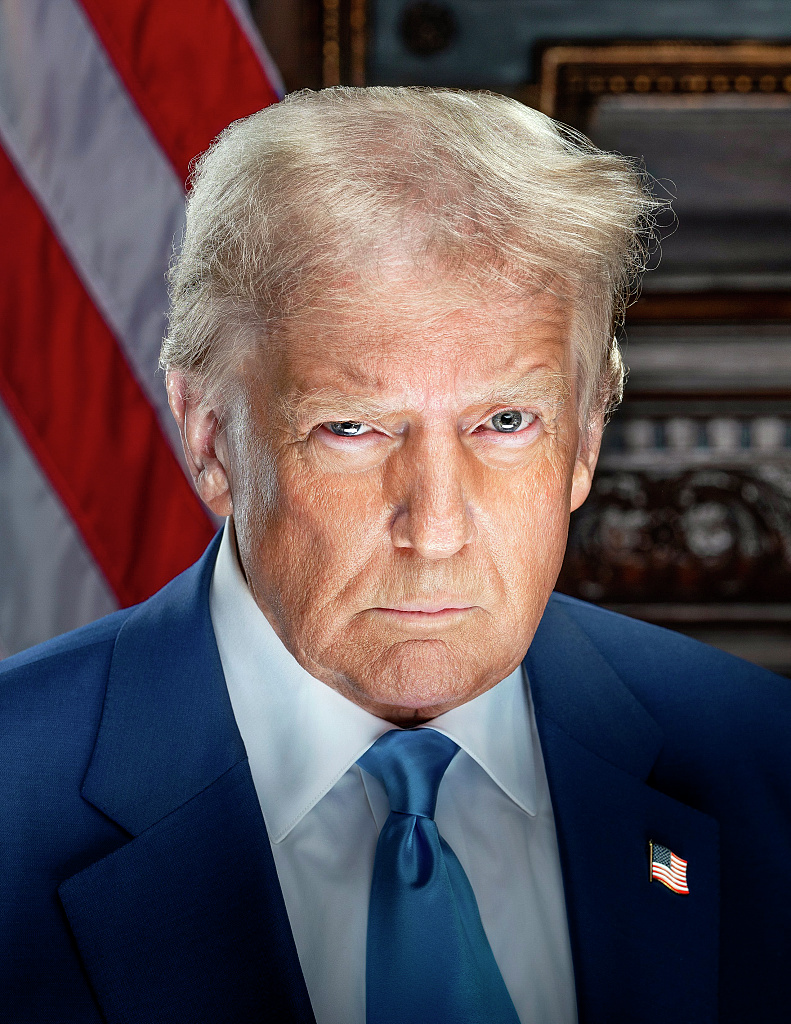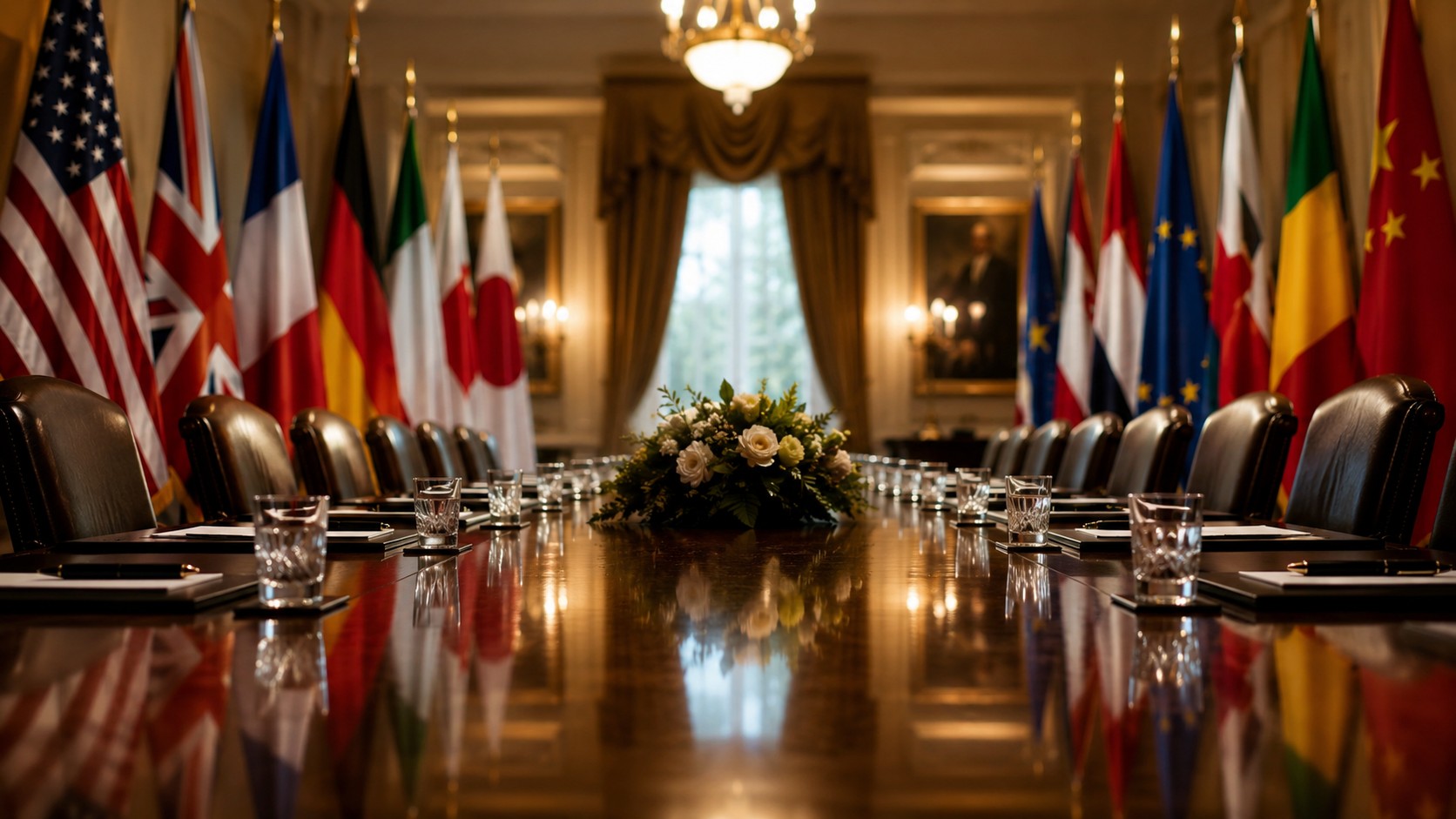
On September 9, 2026, President Trump announced a significant escalation in the trade war with Canada by moving to ban imports of various goods, including alcohol, dairy products, and motorcycles. This decision follows a series of tariff hikes and import bans aimed at countering what the administration perceives as unfair trade practices by Canada. The announcement comes amid rising tensions between the two nations, with both sides imposing tariffs and retaliatory measures over the past months.
The administration's actions are seen as a direct response to Canada's tariffs on U.S. goods, which have been in effect since earlier in the year. Trump's trade policies have been a central theme of his administration, reflecting his broader strategy to prioritize American manufacturing and protect domestic industries. The implications of this trade war could affect not only the economies of both countries but also the broader North American trade landscape.
As the trade conflict intensifies, it raises questions about the future of U.S.-Canada relations and the potential impact on consumers and businesses in both nations. The administration's approach has drawn criticism from various sectors, including those who argue that such measures could lead to increased prices for consumers and strained diplomatic ties.