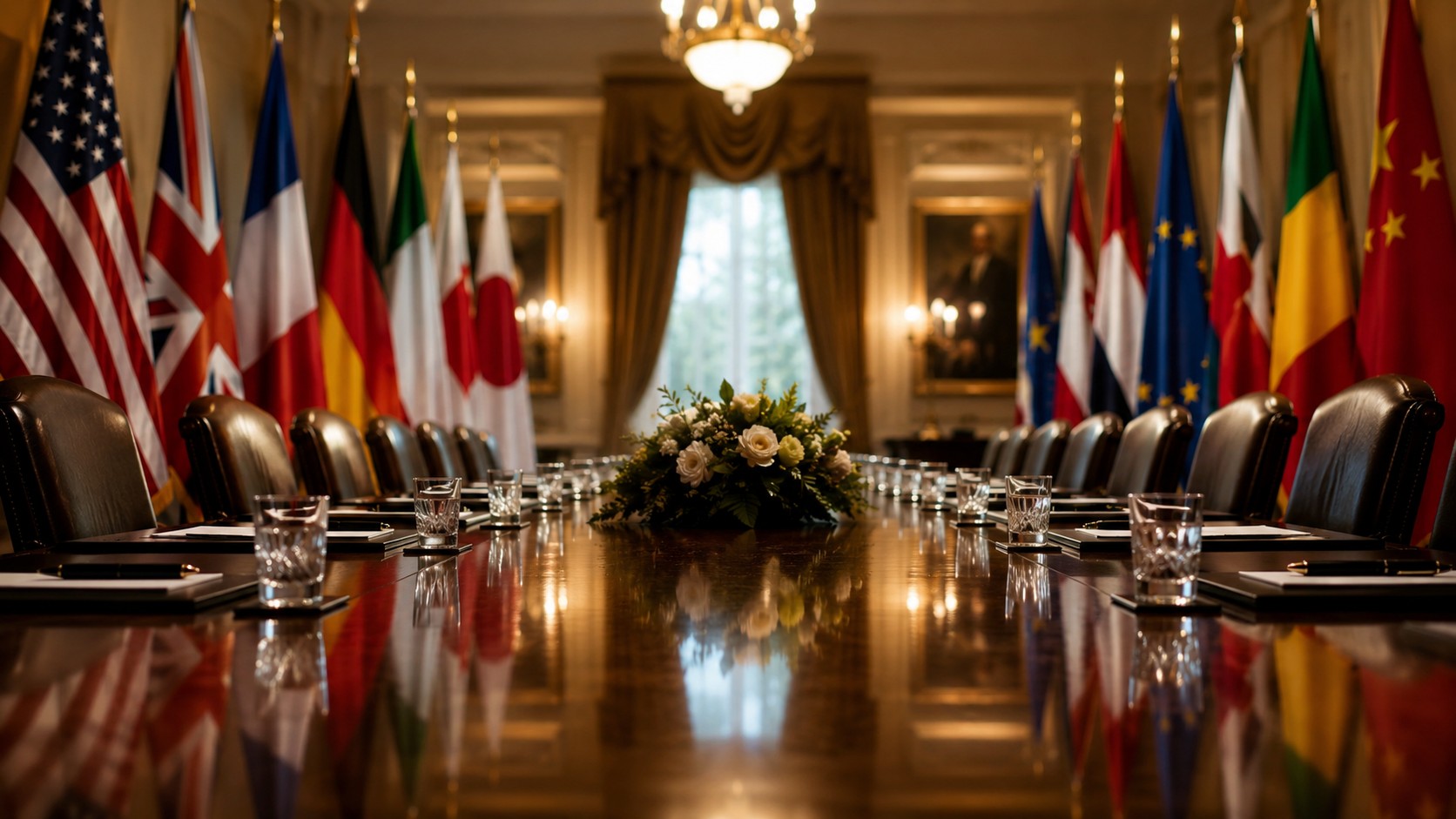
President Trump has proposed a new set of tariffs aimed at several major economies, including China and European Union nations. This announcement comes amid ongoing trade tensions and is part of the administration's broader strategy to reshape international trade agreements. The proposed tariffs are expected to impact a wide range of goods and could escalate existing trade disputes.
The administration argues that these tariffs are necessary to protect American jobs and industries from unfair competition. However, critics warn that such measures could lead to retaliatory actions from affected countries, potentially harming U.S. consumers and businesses. The economic implications of these tariffs are significant, as they could disrupt supply chains and increase costs for American consumers.
As the global economy faces uncertainties, Trump's tariff proposals reflect a continued emphasis on protectionist policies. The administration's approach to trade has been a defining feature of Trump's presidency, and these new tariffs may further complicate relations with key trading partners.