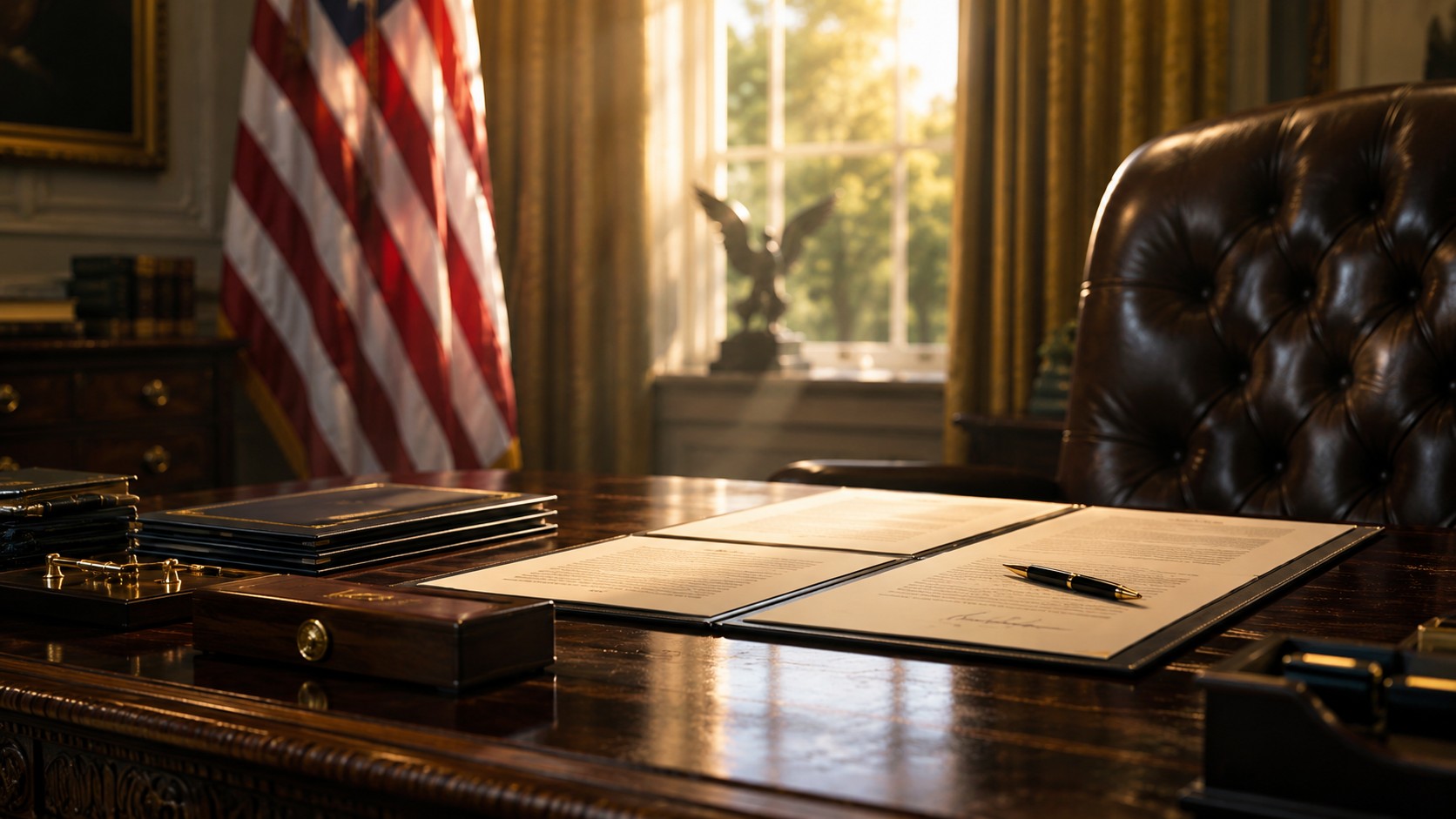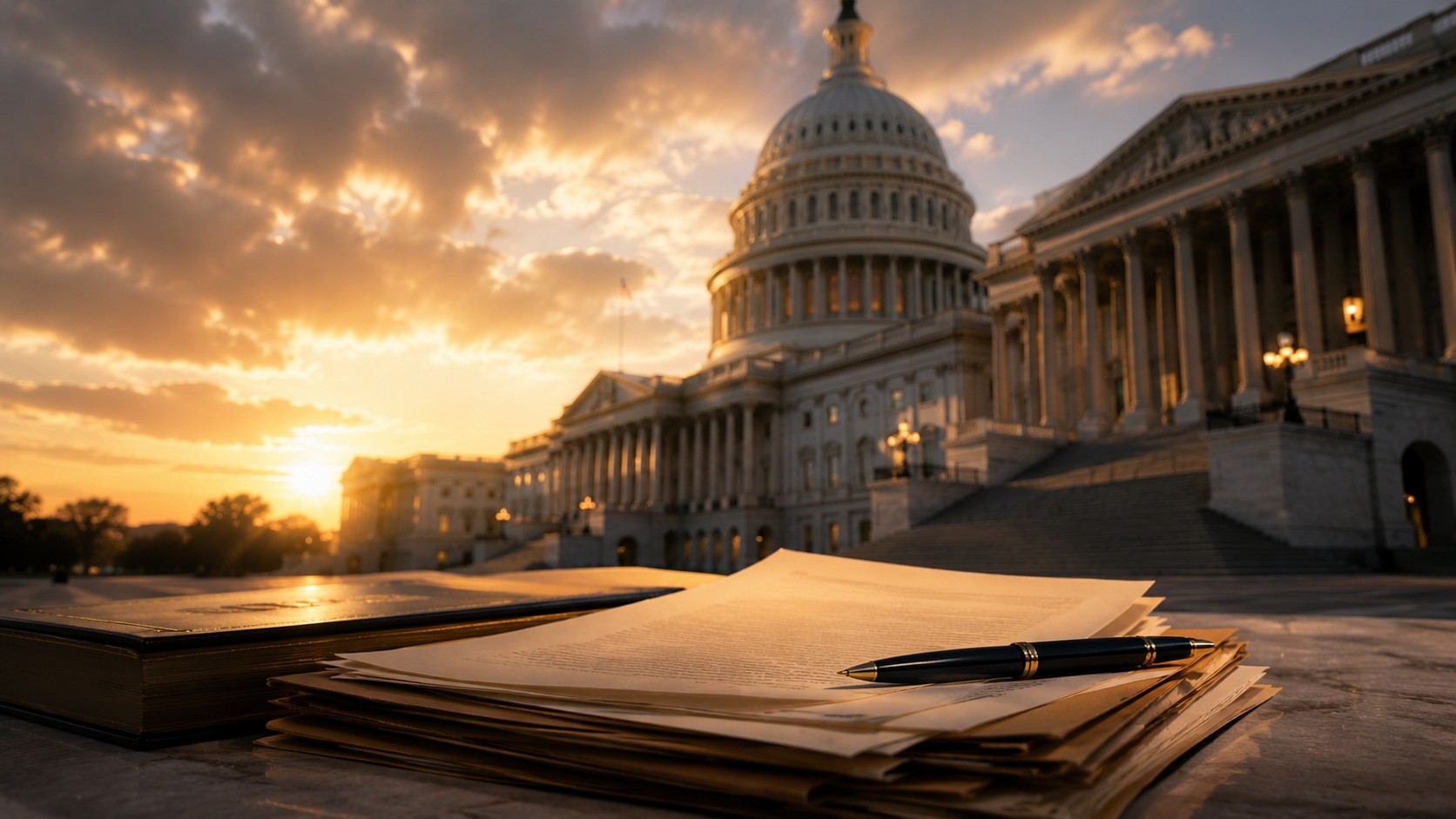
On September 18, 2026, President Donald Trump officially signed a new sanctions bill aimed at Russia, which grants him extensive powers to levy tariffs. This legislation is designed to impose economic pressure on Moscow in response to its actions in Ukraine and other geopolitical maneuvers. The bill is seen as a critical tool for the administration to address foreign policy challenges and to exert influence over Russia's economic activities.
The sanctions are part of a broader strategy to deter Russian aggression and to support allies in the region. By expanding his tariff powers, Trump aims to create a more robust economic response to threats posed by foreign adversaries. This move aligns with the administration's ongoing efforts to reshape U.S. foreign policy in a way that prioritizes national security and economic interests.
The signing of this bill has significant implications for U.S.-Russia relations and could lead to further tensions between the two nations. It also reflects Trump's commitment to using economic measures as a primary tool in foreign policy, reinforcing his administration's stance on trade and international diplomacy.