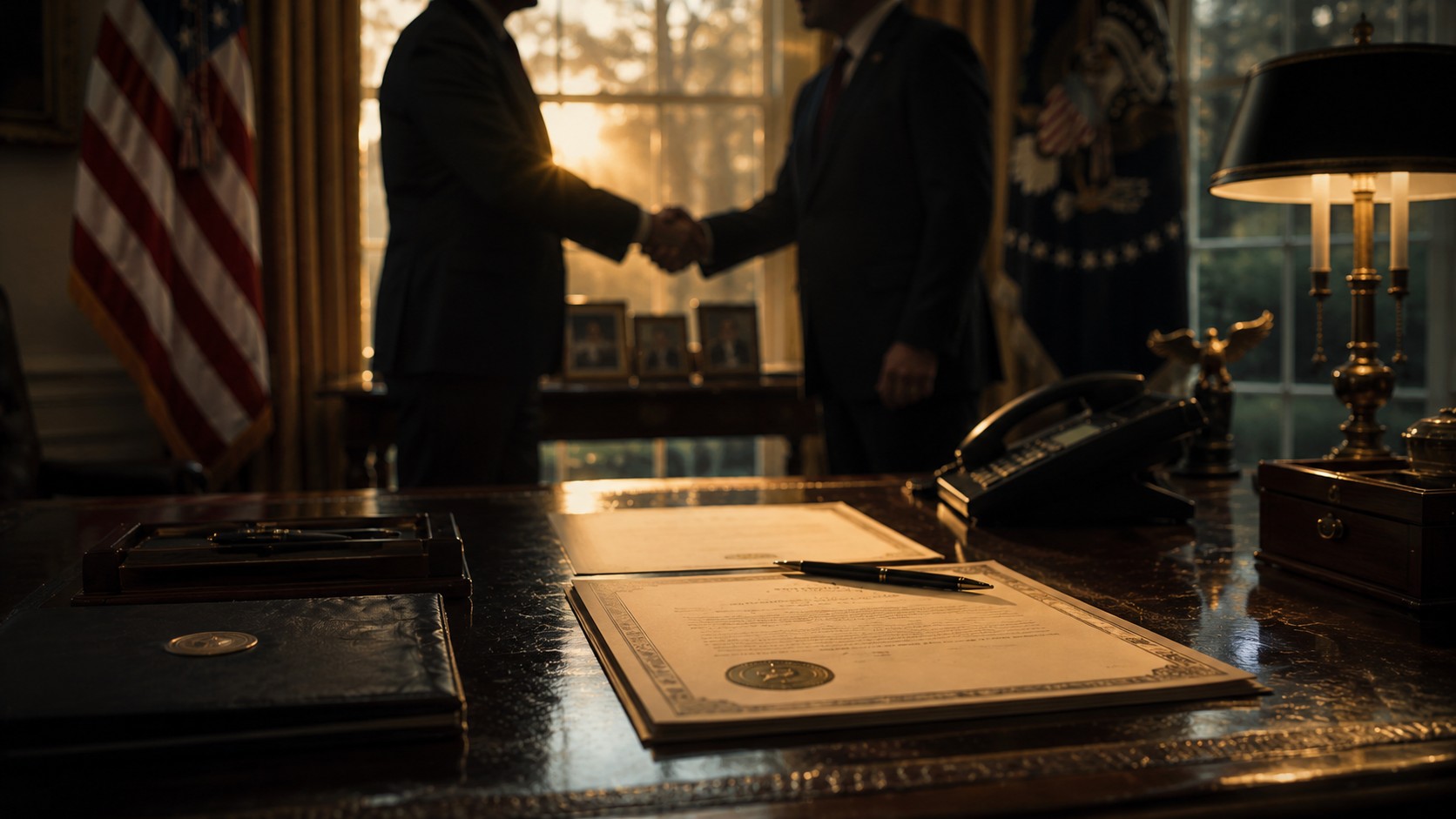
On October 17, President Trump signed an executive order that waives new sanctions against Russia, which were passed by Congress. This decision comes amid ongoing tensions between the U.S. and Ukraine, with Ukrainian President Volodymyr Zelenskyy criticizing Trump for rewarding Russia. The sanctions were part of a broader legislative package aimed at addressing Russian aggression, but Trump cited national interest as the reason for his decision to bypass them.
The move has drawn significant backlash from both sides of the political aisle, with many lawmakers expressing concerns that it undermines U.S. foreign policy and emboldens Russia. Critics argue that waiving these sanctions could have long-term implications for U.S. relations with Ukraine and other allies in the region.
This action reflects Trump's ongoing approach to foreign policy, which often prioritizes direct negotiations and personal diplomacy over traditional legislative measures. The implications of this decision may resonate throughout the upcoming midterm elections, as candidates grapple with the fallout from Trump's controversial foreign policy decisions.