Commissioning of USS Nautilus (SSN-571), the first operational nuclear-powered submarine
The U.S. Navy commissioned USS Nautilus (SSN-571) at Groton, Connecticut, the first operational nuclear-powered submarine.
Dwight D. Eisenhower (1890-1969) was a five-star general in World War II and served as the 34th President of the United States from 1953-1961. A Republican, he presided over postwar prosperity, built the Interstate Highway System, and shaped early Cold War policy.
Eisenhower's presidency stabilized the United States during a period of economic growth and Cold War tension. He prioritized infrastructure and scientific investment, signing the Federal-Aid Highway Act and creating NASA while pursuing containment and cautious diplomacy.
He advanced civil rights enforcement in limited but consequential ways—sending federal troops to enforce desegregation at Little Rock and signing the Civil Rights Act of 1957—and appointed Chief Justice Earl Warren, influencing landmark Supreme Court rulings. His farewell warning about the "military-industrial complex" and the use of covert actions during the Cold War have left a complex and lasting legacy.
Supreme Allied Commander in World War II; Negotiated a Korean War armistice, ending large-scale combat; Created the Interstate Highway System (Federal-Aid Highway Act of 1956); Established NASA (1958) and strengthened the U.S. space program; Enforced school desegregation at Little Rock and signed the Civil Rights Act of 1957; Warned of the "military-industrial complex" in his 1961 farewell address
Key highlights and dated events associated with this presidency.
Showing 12 of 271 entries.
The U.S. Navy commissioned USS Nautilus (SSN-571) at Groton, Connecticut, the first operational nuclear-powered submarine.

On September 8, 1954, the United States joined other nations in signing the Manila Pact, creating the Southeast Asia Treaty Organization (SEATO).
Delegates at the Geneva Conference signed accords on July 21, 1954, establishing cease-fires and temporarily partitioning Vietnam at the 17th parallel.
Following President Jacobo Árbenz's June 27 resignation, rebel leader Carlos Castillo Armas's forces entered Guatemala City and moved to assume control of the government.
Jacobo Árbenz resigned and fled Guatemala City on June 27, 1954, after a U.S. Central Intelligence Agency‑backed covert operation and rebel invasion forced the collapse of his government.
On June 18, insurgent forces led by Carlos Castillo Armas, supported and equipped through a U.S. Central Intelligence Agency covert operation (Operation PBSUCCESS), launched an invasion of Guatemala from neighboring Honduras.
The televised Senate hearings into Senator Joseph McCarthy's conflict with the U.S. Army concluded on the final day of testimony and proceedings.
During televised Army–McCarthy hearings, Army counsel Joseph N. Welch publicly rebuked Senator Joseph McCarthy with the famous line 'Have you no sense of decency, sir?'
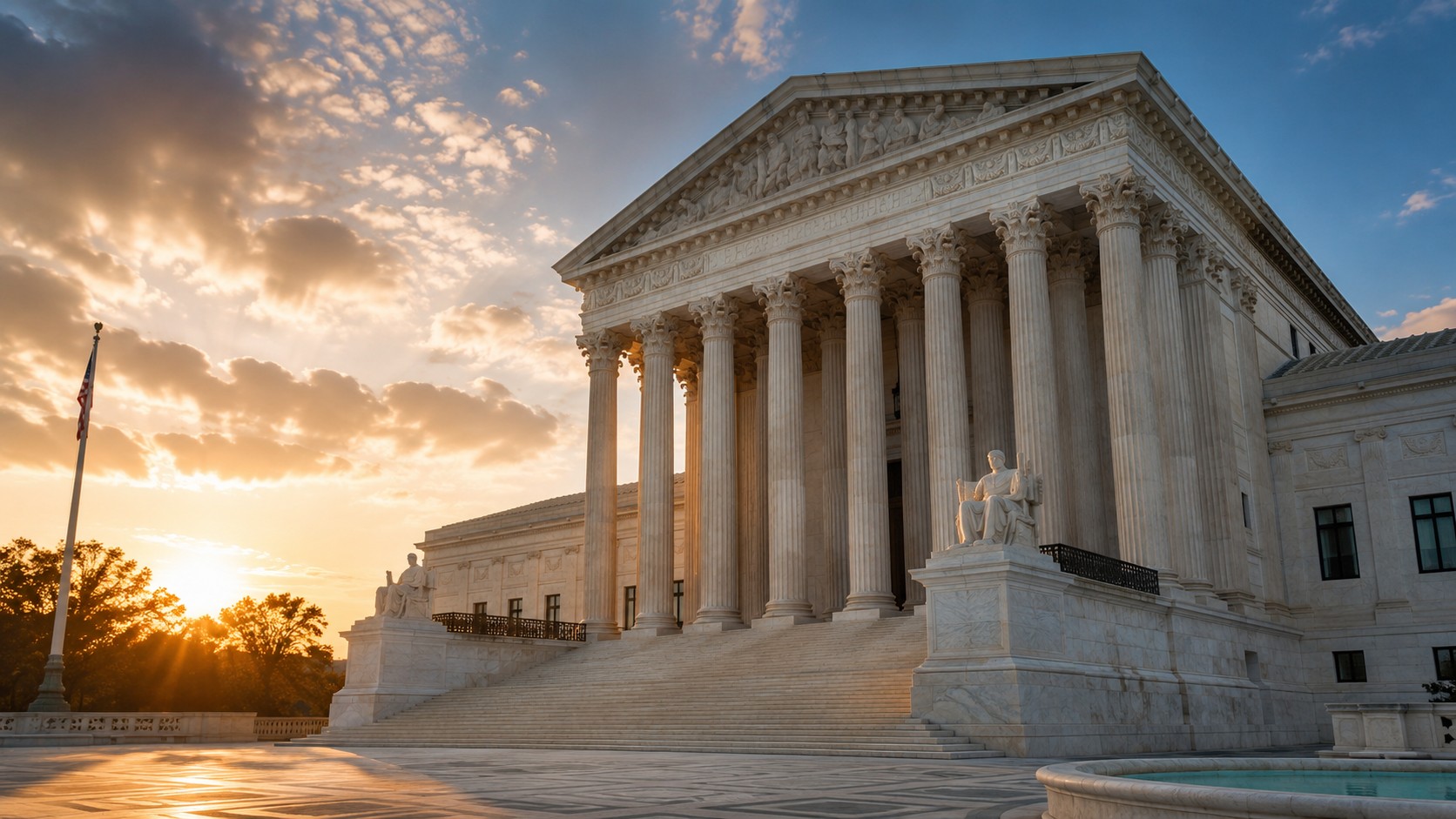
On May 17, 1954 the Supreme Court ruled in Bolling v. Sharpe that racial segregation in the District of Columbia's public schools violated the due process clause of the Fifth Amendment.
In a unanimous decision, the Supreme Court ruled that racial segregation in public schools violated the Equal Protection Clause of the 14th Amendment.
The British government refused a U.S. request to participate in or support contemplated air strikes aimed at relieving French forces at Dien Bien Phu.
President Eisenhower convened the National Security Council to review and consider U.S. contingency plans, including possible air strikes, to relieve besieged French forces at Dien Bien Phu.