Austria-Hungary Declares War on Serbia
Austria-Hungary declared war on Serbia and began military operations, officially opening the central phase of the July Crisis.
Woodrow Wilson was the 28th president of the United States, serving from March 4, 1913 to March 4, 1921. A Democrat and Progressive reformer, he led major domestic changes and guided the nation through World War I while advocating the League of Nations.
Wilson's presidency brought significant progressive reforms: he helped create the Federal Reserve System, strengthened antitrust enforcement, established the Federal Trade Commission, lowered tariffs and introduced a federal income tax. His administration also enacted labor protections and regulatory measures that reshaped the national economy.
Internationally, Wilson led the United States into World War I, articulated the Fourteen Points and pressed for a League of Nations to secure a new world order, but the Senate refused to ratify U.S. membership. His record is contested: he expanded federal authority and wartime censorship and instituted segregationist policies in the federal government, outcomes that have substantially affected historical assessments of his presidency.

Established the Federal Reserve System (1913) and modernized banking; Enacted antitrust and regulatory reforms including the Clayton Antitrust Act and Federal Trade Commission (1914); Lowered tariffs and introduced a federal income tax (Underwood Tariff, 1913); Led the U.S. through World War I and proposed the Fourteen Points; Championed the League of Nations but failed to secure Senate ratification; Implemented segregationist policies in federal offices and oversaw wartime suppression of dissent
Key highlights and dated events associated with this presidency.
Showing 12 of 252 entries.
Austria-Hungary declared war on Serbia and began military operations, officially opening the central phase of the July Crisis.
Serbia accepted most but not all terms of Austria-Hungary's ultimatum and proposed arbitration on a few points, failing to satisfy Vienna fully.
Austria-Hungary presented a harsh ultimatum to Serbia demanding measures against anti-Austrian activities following the assassination of Archduke Franz Ferdinand.
Archduke Franz Ferdinand of Austria-Hungary and his wife Sophie were assassinated in Sarajevo, sparking an international crisis.
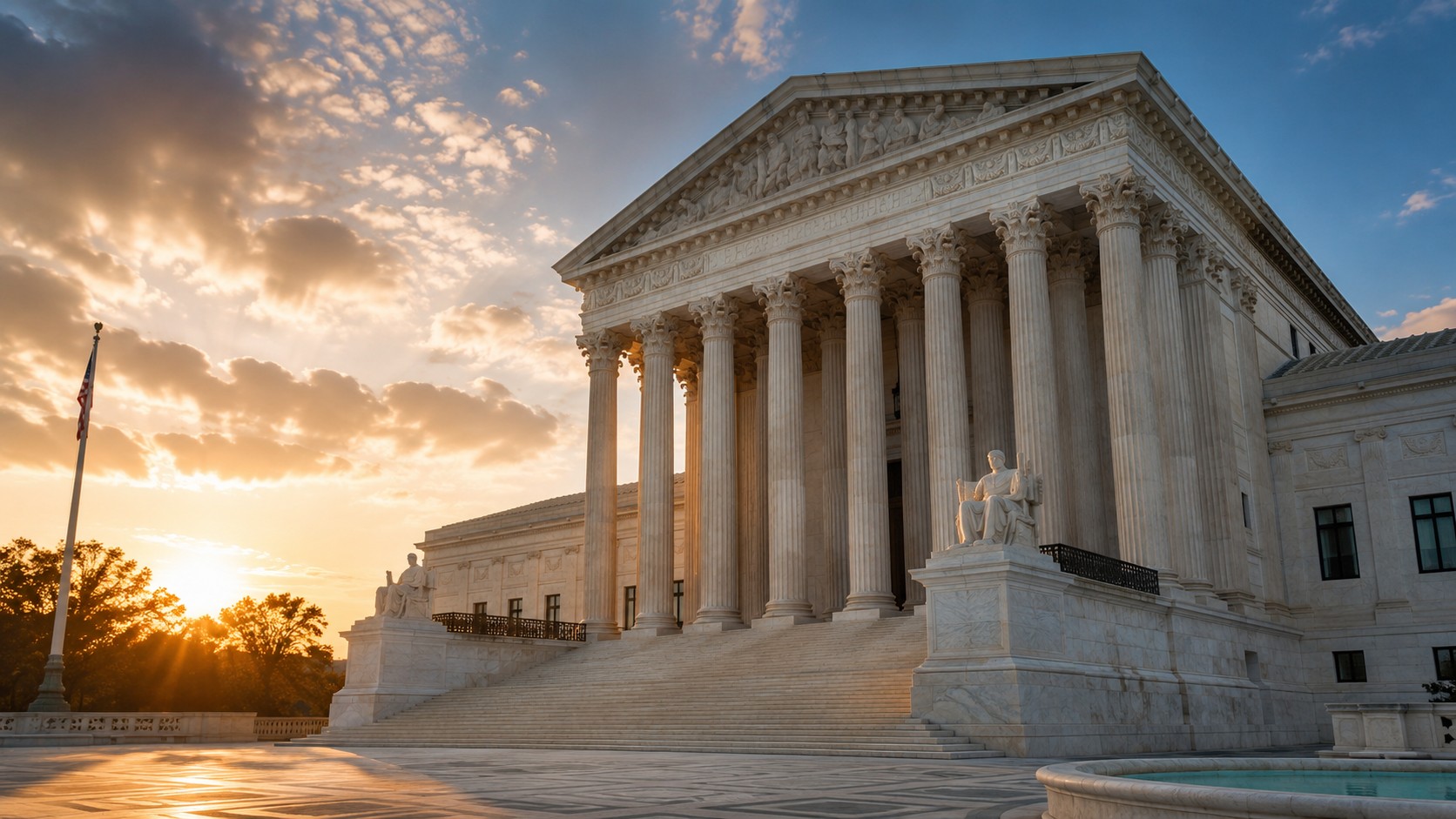
The U.S. Senate confirmed President Wilson's nomination of James Clark McReynolds to the Supreme Court, filling a vacant seat on the bench.
The Niagara Falls conference (May 20–24), hosted by Argentina, Brazil, and Chile, concluded with a set of mediation proposals for resolving the U.S.–Mexico crisis and urged diplomatic arbitration to avert further hostilities.
Delegations from Argentina, Brazil and Chile met at Niagara Falls, Ontario, on May 20 to mediate the diplomatic crisis between the United States and Mexico after the Tampico affair and the U.S. occupation of Veracruz.
Following the April 21 U.S. landing and subsequent street battles, American naval and marine units reported that major combat in Veracruz had subsided and began securing key positions on April 23, 1914.
On April 22, 1914, U.S. Navy sailors and Marines engaged in intense house-to-house and street fighting with Mexican military forces and armed civilians in Veracruz following the April 21 landing, resulting in American and Mexican casualties.
The armed freighter SS Ypiranga reached Veracruz carrying rifles and ammunition bound for the government of Victoriano Huerta as U.S. forces moved to seize the port.
On April 21, 1914, U.S. Navy and Marine units landed at Veracruz, Mexico, seized key facilities after clashes with Mexican forces, and began an occupation of the port city.
On April 20, 1914, the Colorado National Guard and company guards attacked a tent colony of striking coal miners and their families at Ludlow, Colorado, resulting in the deaths of roughly two dozen people, including women and children.