
Democratic National Convention nominates John Nance Garner for vice president
The convention on June 30 selected Texas Congressman (and former Speaker) John Nance Garner as the Democratic vice-presidential nominee.

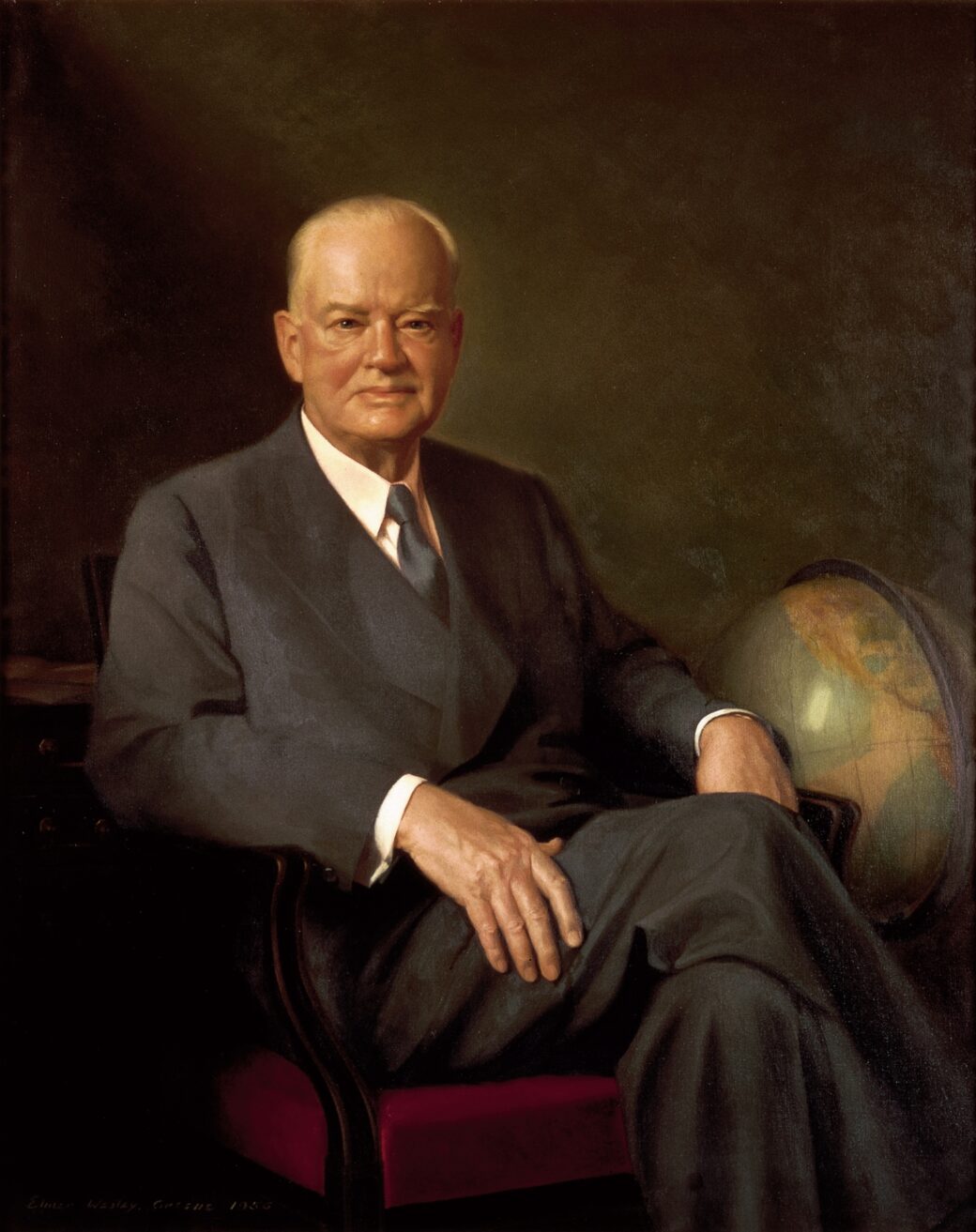
Herbert Hoover (1874–1964) was the 31st President of the United States, serving from March 4, 1929, to March 4, 1933, with Vice President Charles Curtis. A mining engineer and humanitarian who had served as Secretary of Commerce, his presidency was dominated by the onset of the Great Depression.
Hoover came into office as a celebrated engineer and organizer but presided over the crash of 1929 and the early years of the Great Depression. His belief in voluntary cooperation, limited federal intervention and measures such as the Smoot‑Hawley tariff drew heavy criticism as unemployment and hardship grew.
After leaving office, Hoover resumed a long public career that included major humanitarian work and leadership of postwar government reform commissions; over time his reputation was partly rehabilitated for his administrative skill and public service even as debate continues over his economic policies during the crisis.
Signed the Smoot‑Hawley Tariff (1930), raising U.S. tariffs; Created the Reconstruction Finance Corporation (1932) to lend to banks and businesses; Authorized federal support for major public works including initiation of Boulder (Hoover) Dam; Promoted voluntary cooperation and limited direct federal relief during the early Depression; Ordered federal forces to disperse the Bonus Army veterans' protest (1932); Led significant humanitarian and post‑presidential government reform efforts
Key highlights and dated events associated with this presidency.
Showing 12 of 61 entries.
The convention on June 30 selected Texas Congressman (and former Speaker) John Nance Garner as the Democratic vice-presidential nominee.

On June 30, 1932, the Democratic National Convention in Chicago formally nominated New York Governor Franklin D. Roosevelt as its presidential candidate.
The Democratic National Convention convened in Chicago to begin selecting its ticket for the 1932 presidential election.
President Hoover signed the Revenue Act of 1932 into law, enacting broad increases in federal taxes as an emergency measure to address the budget deficit.
The U.S. House approved the Patman bill to provide immediate cash payment of adjusted compensation bonuses to World War I veterans.
Delegates at the Chicago convention approved the Republican platform endorsing the administration's approaches to tariffs, fiscal policy, and economic recovery.
Hoover formally accepted the Republican nomination in Chicago, delivering an address defending his administration's record and outlining his campaign message.
At the Republican National Convention in Chicago, delegates formally nominated Vice President Charles Curtis to continue on Herbert Hoover’s ticket for the 1932 election.
The Republican National Convention in Chicago formally renominated incumbent President Herbert Hoover as the party's candidate for the 1932 presidential election.
On March 23, 1932, President Herbert Hoover signed the Norris–La Guardia Act, curbing federal courts' ability to issue injunctions in nonviolent labor disputes and restricting yellow-dog contracts.
The 20-month-old son of aviator Charles Lindbergh was abducted from the family's Hopewell, New Jersey home, triggering a nationwide manhunt and involvement by federal authorities including the FBI.
President Hoover signed the Emergency Relief and Construction Act, authorizing federal loans for public works and emergency relief and expanding the Reconstruction Finance Corporation's lending powers.