July 2, 1822
•
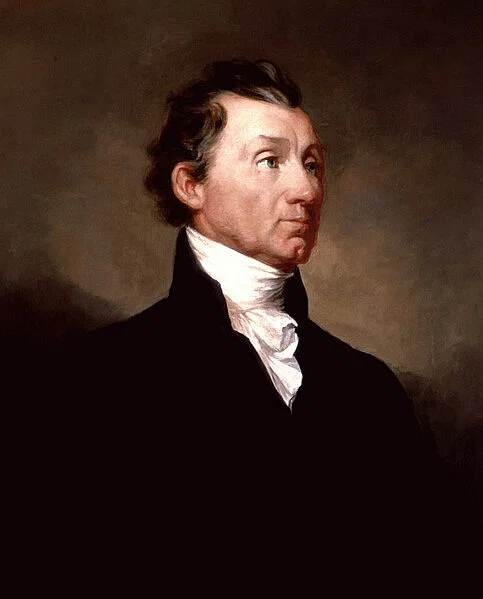
James Monroe
Crisis Response
Execution of Denmark Vesey and suppression of alleged Charleston slave conspiracy
Denmark Vesey, a prominent free Black in Charleston, South Carolina, was executed on July 2 after trials that convicted him and others of planning a large slave insurrection, and additional conspirators were punished by local authorities.