Hindenburg disaster at Lakehurst, New Jersey
The German passenger airship LZ 129 Hindenburg caught fire and was destroyed while attempting to dock at Naval Air Station Lakehurst, killing 36 people.
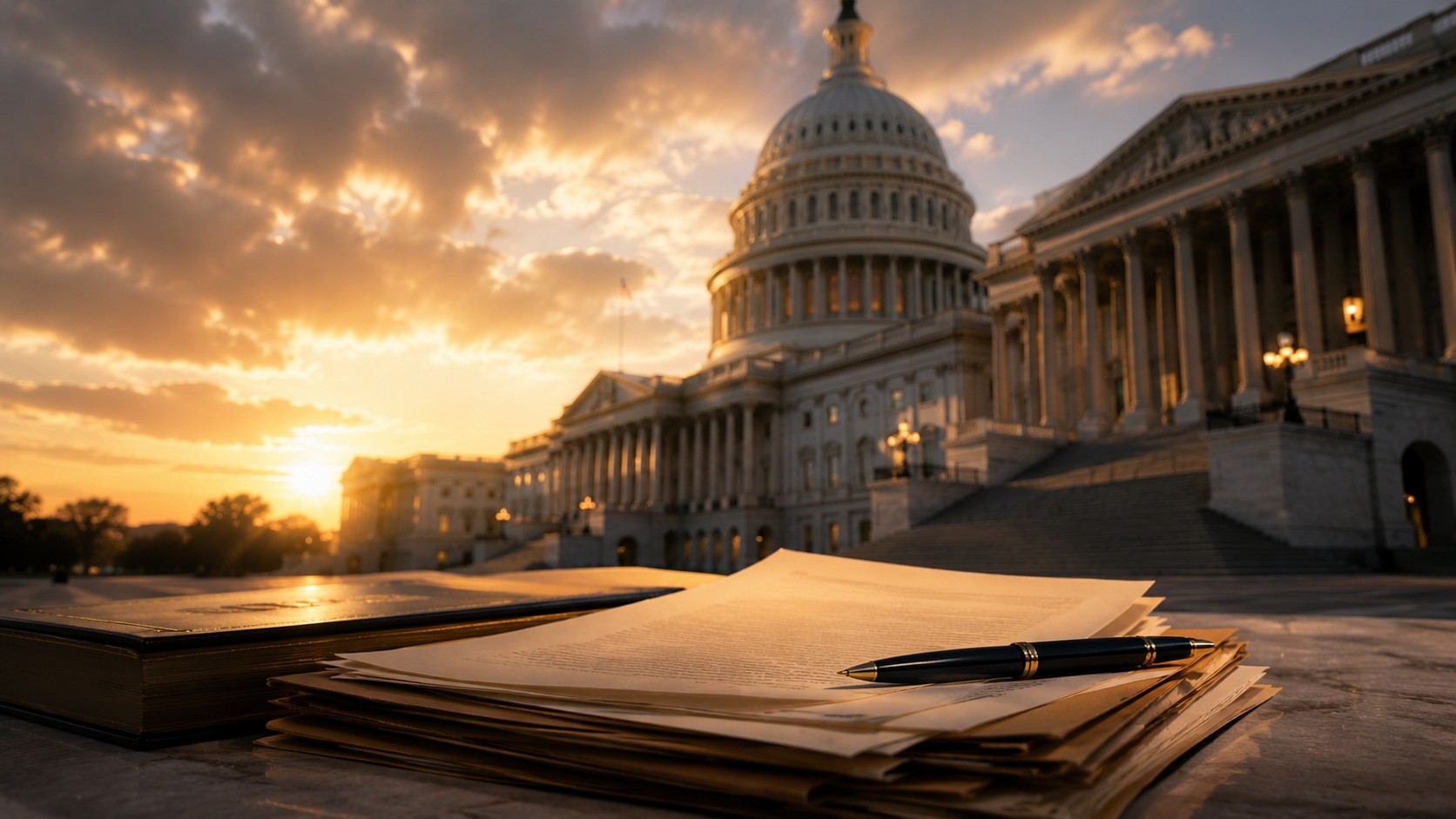
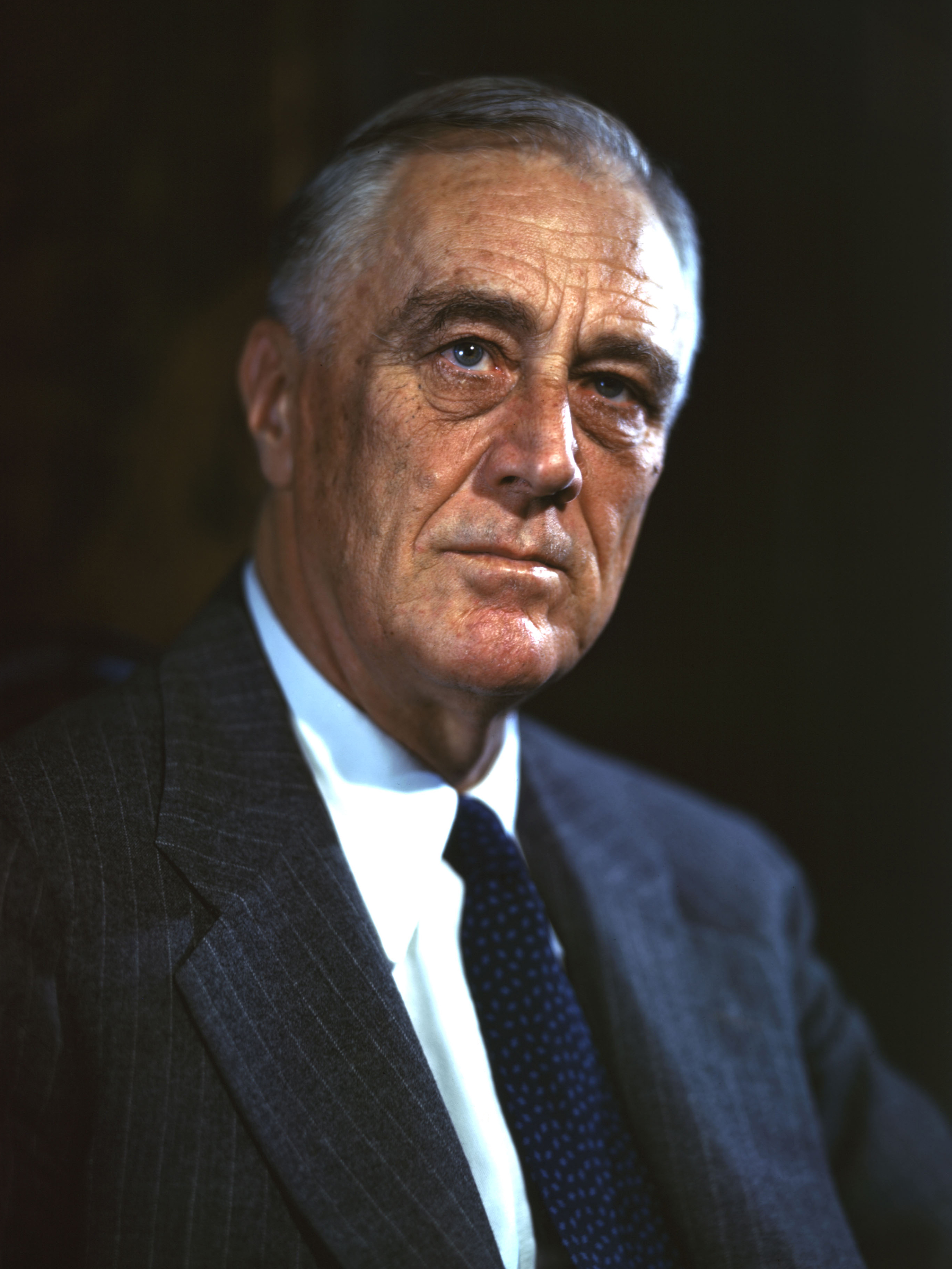
Franklin D. Roosevelt (1882–1945) was the 32nd President of the United States, serving from March 4, 1933, to April 12, 1945. A Democrat, he led the nation through the Great Depression and most of World War II.
Roosevelt reshaped the federal government's role in the economy through the New Deal, creating programs and institutions such as Social Security, the FDIC, and large-scale public works to relieve unemployment and stabilize finance.
He also guided the United States through World War II, overseeing mobilization, Lend-Lease, and Allied cooperation; his four-term presidency expanded the scope and influence of the executive branch and left a lasting global and domestic legacy, though some initiatives, like the 1937 court-packing plan, provoked controversy.
Implemented New Deal reforms including the Social Security Act; Stabilized banking and created the FDIC and SEC; Established large public works programs (WPA, CCC, TVA); Backed Lend-Lease and led U.S. mobilization in World War II; Elected to four terms, reshaping presidential precedent; Proposed 1937 Supreme Court reorganization (court-packing)
Key highlights and dated events associated with this presidency.
Showing 12 of 415 entries.
The German passenger airship LZ 129 Hindenburg caught fire and was destroyed while attempting to dock at Naval Air Station Lakehurst, killing 36 people.
President Franklin D. Roosevelt signed the Neutrality Act of 1937, renewing earlier arms-embargo provisions and codifying a 'cash-and-carry' policy for belligerent nations.
German and Italian aircraft supporting Francisco Franco's Nationalists bombed the Basque town of Guernica, causing extensive civilian casualties and destruction.
In a 5–4 decision the U.S. Supreme Court upheld the constitutionality of the National Labor Relations Act, ruling that Congress could regulate labor relations affecting interstate commerce.
On March 29, 1937, the U.S. Supreme Court upheld a Washington state minimum-wage law for women in West Coast Hotel Co. v. Parrish, departing from earlier rulings that struck down economic regulation.
The U.S. Senate voted to confirm Senator Hugo L. Black as an associate justice of the Supreme Court following President Roosevelt's nomination.
President Franklin D. Roosevelt nominated Senator Hugo L. Black of Alabama to be an Associate Justice of the U.S. Supreme Court.
After a 44‑day sit‑down strike at GM plants in Flint, Michigan, management and United Auto Workers negotiators reached an agreement that effectively secured recognition for the UAW.
President Roosevelt sent a special message and Judicial Reorganization Bill to Congress proposing that the president be authorized to appoint additional Supreme Court justices for members over age 70 who declined to retire.
Franklin D. Roosevelt was sworn in for his second term and delivered his second inaugural address, with Vice President John Nance Garner also taking the oath.
President Franklin D. Roosevelt delivered his annual message to a joint session of Congress, outlining the administration's priorities and legislative agenda for the coming year.
Electors convened in state capitals and cast their ballots for Franklin D. Roosevelt and his vice-presidential running mate, formally confirming the results of the November 1936 election.