
Harding signs the Budget and Accounting Act of 1921 into law
President Harding signed the Budget and Accounting Act, creating the Bureau of the Budget and requiring the president to submit an annual budget to Congress.
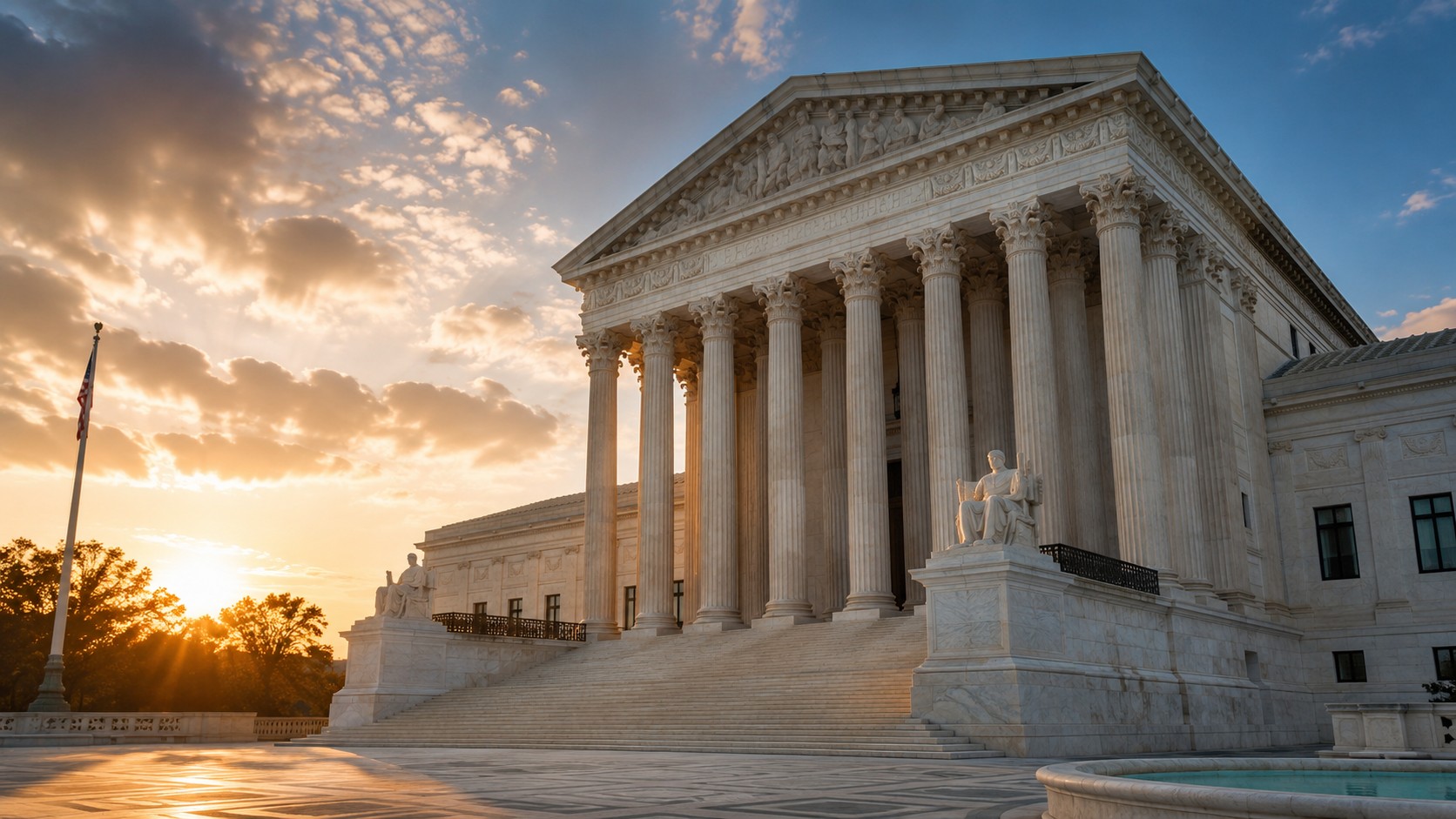
Warren G. Harding was the 29th president of the United States, serving from March 4, 1921, until his death on August 2, 1923. A Republican from Ohio, he campaigned on a "return to normalcy" after World War I and served with Vice President Calvin Coolidge.
Harding oversaw a swift postwar transition, promoting pro-business economic policies, tax reductions, and government reform measures such as the Budget and Accounting Act of 1921; he also led international diplomacy at the Washington Naval Conference (1921–22).
His administration was later tarnished by scandals—most notably the Teapot Dome bribery case—that emerged after his sudden death, leaving historians to weigh his policy achievements against ethical failures among appointees and the lasting damage to his reputation.
Ran on a "Return to Normalcy" platform and promoted pro-business, limited-government policies; Signed the Budget and Accounting Act of 1921 creating the Bureau of the Budget; Convened the 1921–22 Washington Naval Conference to limit naval arms; Enacted the Revenue Act of 1921 and the Fordney–McCumber Tariff affecting taxes and trade; Died in office (August 2, 1923) and left an administration later tarnished by the Teapot Dome scandal
Key highlights and dated events associated with this presidency.
Showing 8 of 44 entries.
President Harding signed the Budget and Accounting Act, creating the Bureau of the Budget and requiring the president to submit an annual budget to Congress.
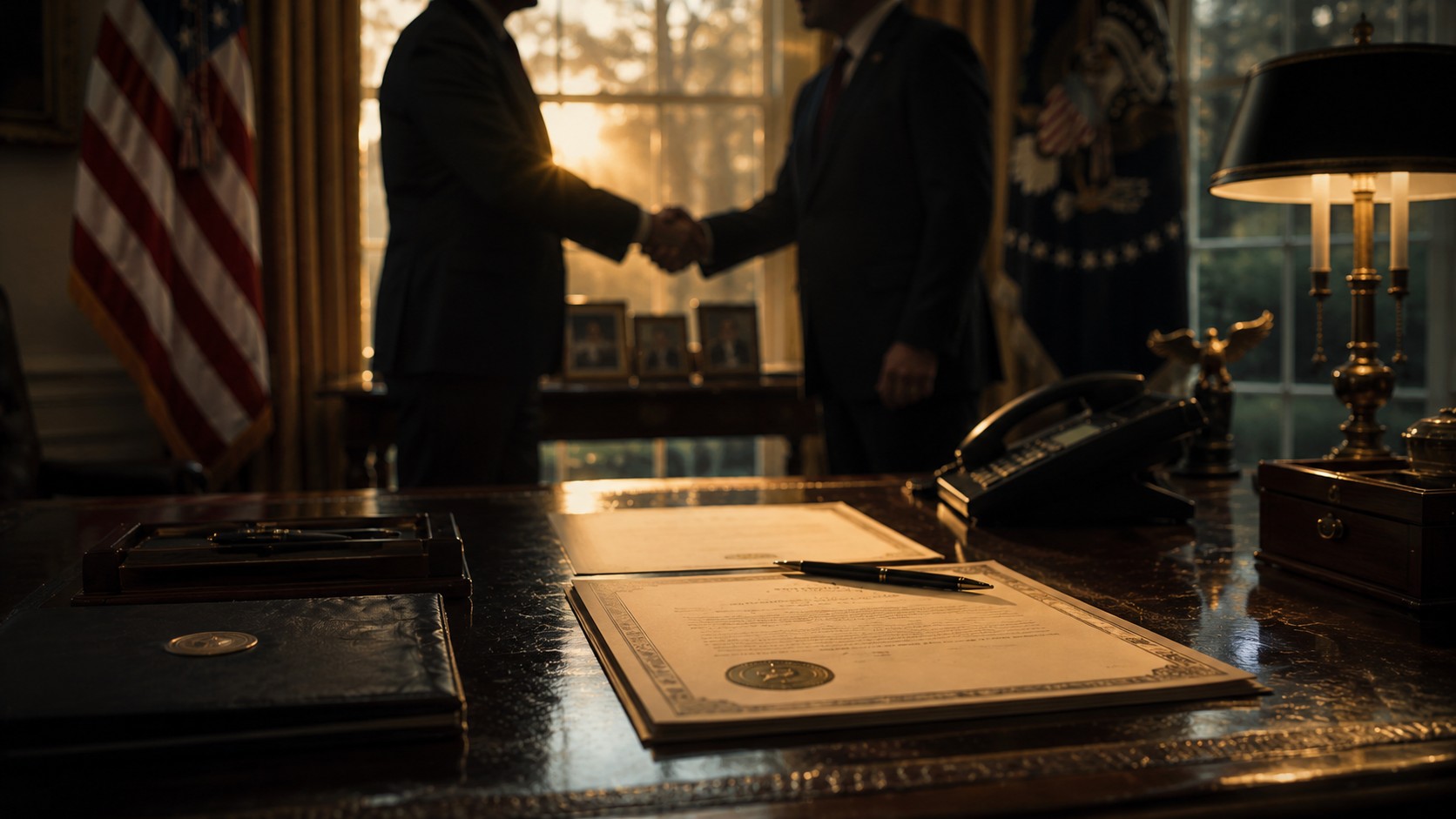
President Harding signed the Budget and Accounting Act, creating the Bureau of the Budget and the General Accounting Office (GAO).
President Warren G. Harding signed the Budget and Accounting Act on June 10, 1921, creating the Bureau of the Budget and the General Accounting Office.
President Harding signed the Emergency Tariff Act into law on May 27, 1921, imposing temporary tariff increases to protect domestic agriculture.
President Harding signed the Emergency Quota Act, establishing numerical immigration limits based on national origins (3% of each nationality’s 1910 population) and restricting immigration from certain regions.
Chief Justice Edward Douglass White died on May 19, 1921, creating a vacancy on the U.S. Supreme Court.
In the days after his inauguration Harding publicly named his principal Cabinet selections, including Charles Evans Hughes (State), Andrew Mellon (Treasury), Herbert Hoover (Commerce), Harry M. Daugherty (Attorney General), Will H. Hays (Postmaster General), John W. Weeks (War), and Albert B. Fall (Interior).
Warren G. Harding was sworn in as the 29th President and delivered his inaugural address on March 4, 1921, famously urging a 'return to normalcy.'