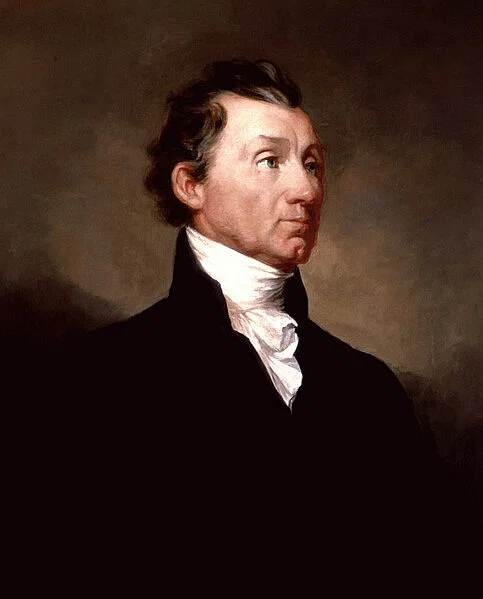
Legacy Summary
Monroe left a lasting mark on U.S. foreign policy: his 1823 Monroe Doctrine warned European powers against new colonial ventures in the Americas and asserted a growing American sphere of influence. He also secured Florida through the Adams–Onís Treaty and settled boundary issues with Britain, reinforcing U.S. territorial claims.
Domestically, Monroe presided over the Era of Good Feelings, a time of relative political harmony after the Federalist decline, but his administration also faced rising sectional tensions over slavery highlighted by the Missouri Compromise. His presidency advanced national infrastructure and westward settlement while leaving complex challenges over union and slavery for future leaders.
Notable Actions
Proclaimed the Monroe Doctrine (1823) asserting opposition to European colonization; Negotiated the Adams–Onís Treaty (1819) securing Florida for the United States; Presided over the Missouri Compromise (1820) managing sectional tensions over slavery; Guided the Era of Good Feelings, marked by one-party dominance and nationalistic sentiment; Concluded the Convention of 1818 with Britain, establishing the 49th parallel and joint Oregon occupation; Appointed John Quincy Adams as Secretary of State, shaping U.S. foreign policy
Timeline Entries
Key highlights and dated events associated with this presidency.
No timeline entries yet
No timeline entries have been added for this president yet.