Coalition Provisional Authority establishes Iraqi Governing Council
L. Paul Bremer, head of the U.S.-led Coalition Provisional Authority, announced the formation of a 25-member Iraqi Governing Council to advise the occupation authority.

George W. Bush served as the 43rd President of the United States from January 20, 2001 to January 20, 2009. A Republican and former governor of Texas, his presidency was shaped by the response to the September 11, 2001 attacks and consequential domestic policies.
Bush's presidency is most widely remembered for the response to the September 11 attacks, the launch of the global War on Terror, and military campaigns in Afghanistan and Iraq. Decisions on intelligence, national security, and counterterrorism had long-lasting international and political effects.
On the domestic front, his administration passed major laws including the No Child Left Behind education reform and the Medicare Part D prescription drug benefit, and he appointed two Supreme Court justices. The 2008 financial crisis and emergency responses also significantly influenced assessments of his record.
Led U.S. response to 9/11 and launched the War on Terror; Ordered U.S. invasions of Afghanistan (2001) and Iraq (2003); Enacted No Child Left Behind education reform (2001); Created Medicare Part D prescription drug benefit (2003); Appointed Chief Justice John Roberts and Justice Samuel Alito; Responded to the 2008 financial crisis, including signing the TARP bailout
Key highlights and dated events associated with this presidency.
Showing 12 of 307 entries.
L. Paul Bremer, head of the U.S.-led Coalition Provisional Authority, announced the formation of a 25-member Iraqi Governing Council to advise the occupation authority.
Wilson published an op-ed in the New York Times disputing the Bush administration’s claim that Iraq sought uranium from Niger.
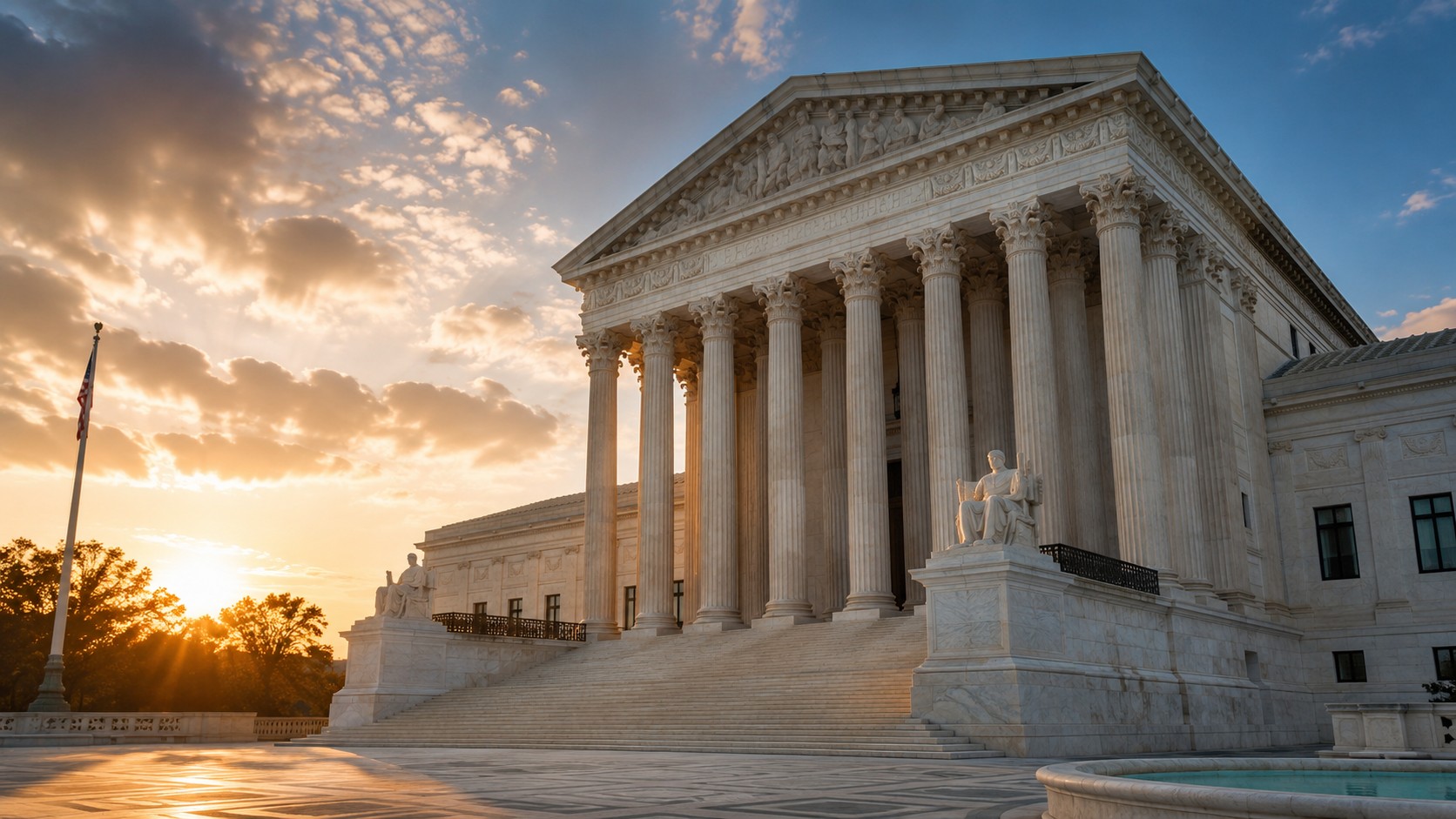
The U.S. Supreme Court ruled that state laws criminalizing consensual homosexual conduct violated the Due Process Clause and were unconstitutional.
The Supreme Court ruled 6–3 that the University of Michigan's undergraduate point-based admissions policy, which automatically awarded points to minority applicants, violated the Equal Protection Clause.
The Supreme Court ruled 5–4 that the University of Michigan Law School's narrowly tailored use of race in admissions to achieve diversity was constitutional.
President Bush attended the G8 summit in Évian-les-Bains, France, where leaders discussed the global economy, reconstruction in Iraq, and development and debt-relief issues for Africa.
President Bush signed the Jobs and Growth Tax Relief Reconciliation Act of 2003, enacting accelerated income tax rate reductions and lower taxes on dividends and capital gains.
CPA Order No. 2, issued by L. Paul Bremer, formally disbanded the Iraqi military, intelligence services, and Republican Guard under coalition authority.
On May 22, 2003 President Bush signed Executive Order 13303 to protect the Development Fund for Iraq and certain Iraqi property from attachment or legal claims, aimed at preserving oil revenues for reconstruction.
On May 22, 2003 the UN Security Council unanimously adopted Resolution 1483, recognizing the United States and United Kingdom as occupying powers and calling for the lifting of most UN sanctions on Iraq while endorsing the Development Fund for Iraq.
L. Paul Bremer, head of the U.S.‑led Coalition Provisional Authority in Iraq, issued CPA Order No. 1 to implement de‑Ba'athification, removing senior Ba'ath Party members from public positions.
President George W. Bush named L. Paul Bremer III to lead the Coalition Provisional Authority (CPA) as the civilian administrator overseeing the U.S.-led occupation of Iraq.