Jamaica gains independence from the United Kingdom
On August 6, 1962 Jamaica formally became an independent nation, and the United States extended diplomatic recognition.

John F. Kennedy was the 35th President of the United States, serving from January 20, 1961, until his assassination on November 22, 1963. A Democrat and former U.S. senator from Massachusetts, he is remembered for his Cold War leadership and ambitious domestic and space initiatives.
Kennedy's presidency was defined by Cold War confrontations and high-stakes diplomacy. He navigated crises such as the Bay of Pigs invasion and the Cuban Missile Crisis, pursued arms-control agreements like the 1963 Partial Nuclear Test Ban Treaty, and worked to maintain U.S. credibility abroad.
On the domestic front, Kennedy advanced a program called the New Frontier that promoted economic stimulus, education, and social programs, established the Peace Corps, and used federal authority to press for civil rights. His pledge to land a man on the Moon and his assassination in 1963 left a lasting cultural and political legacy.
Managed the Cuban Missile Crisis, averting nuclear escalation; Oversaw the failed Bay of Pigs invasion; Created the Peace Corps to support international development; Committed the U.S. to a Moon landing and boosted NASA funding; Advanced civil rights through federal actions and public appeals; Negotiated the 1963 Partial Nuclear Test Ban Treaty
Key highlights and dated events associated with this presidency.
Showing 12 of 120 entries.
On August 6, 1962 Jamaica formally became an independent nation, and the United States extended diplomatic recognition.

Film star Marilyn Monroe was found dead at her Los Angeles home on August 5, 1962, from a probable barbiturate overdose.
On July 23, 1962, 14 countries including the United States signed the International Agreement on the Neutrality of Laos in Geneva, pledging to respect Laos's neutrality and prohibit foreign military intervention.
NASA's Mariner 1 spacecraft experienced a guidance failure shortly after launch and was destroyed by range safety to eliminate a hazard.
On July 22, 1962 NASA lost the Mariner 1 spacecraft when its launch vehicle was destroyed shortly after liftoff due to a guidance‑system malfunction and programming error.
On July 10, 1962, Telstar 1 was launched from Cape Canaveral as the first active commercial communications satellite designed to relay transatlantic television, telephone, and data signals.
On July 9, 1962 the United States conducted the Starfish Prime high‑altitude nuclear test above Johnston Island as part of Operation Dominic.
Following a referendum, Algeria formally declared independence on July 5, 1962, bringing an end to the Algerian War and French colonial rule.
Burundi formally became independent on July 1, 1962, achieving sovereignty after the end of Belgian administration.
Rwanda formally became an independent state on July 1, 1962, ending Belgian colonial rule following UN-supervised transition arrangements.
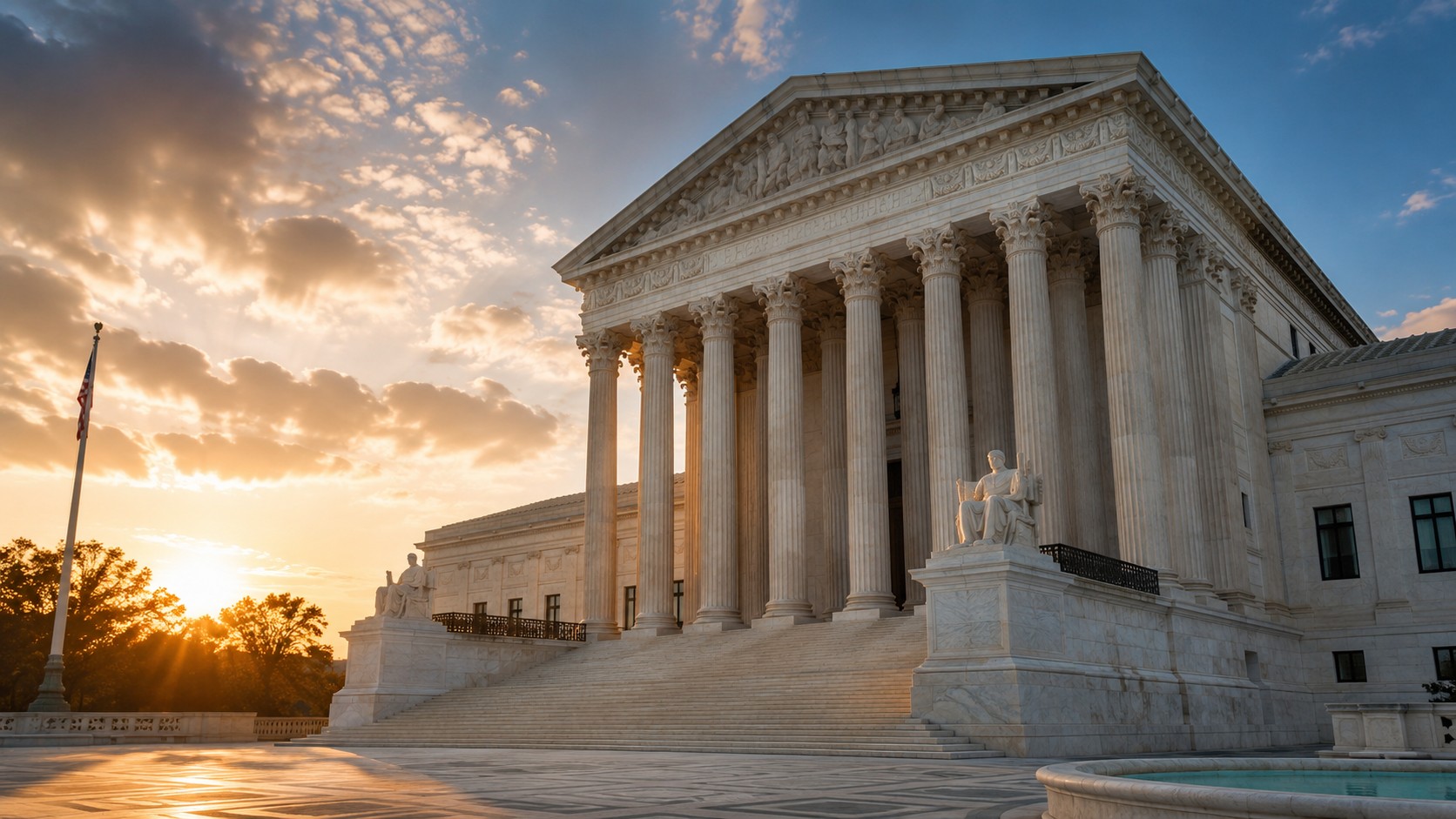
On June 25, 1962, the U.S. Supreme Court held in Engel v. Vitale that a state-sponsored, officially composed prayer in public schools violated the Establishment Clause of the First Amendment.
The U.S. Supreme Court, in Engel v. Vitale, held that government‑composed prayers recited in public schools violated the First Amendment's Establishment Clause.