
Battle of Dobro Pole (Allied breakthrough on the Macedonian front)
On September 15, 1918 Allied forces (principally Serbian, French and Greek) launched an offensive at Dobro Pole and achieved a decisive breakthrough of Bulgarian lines.
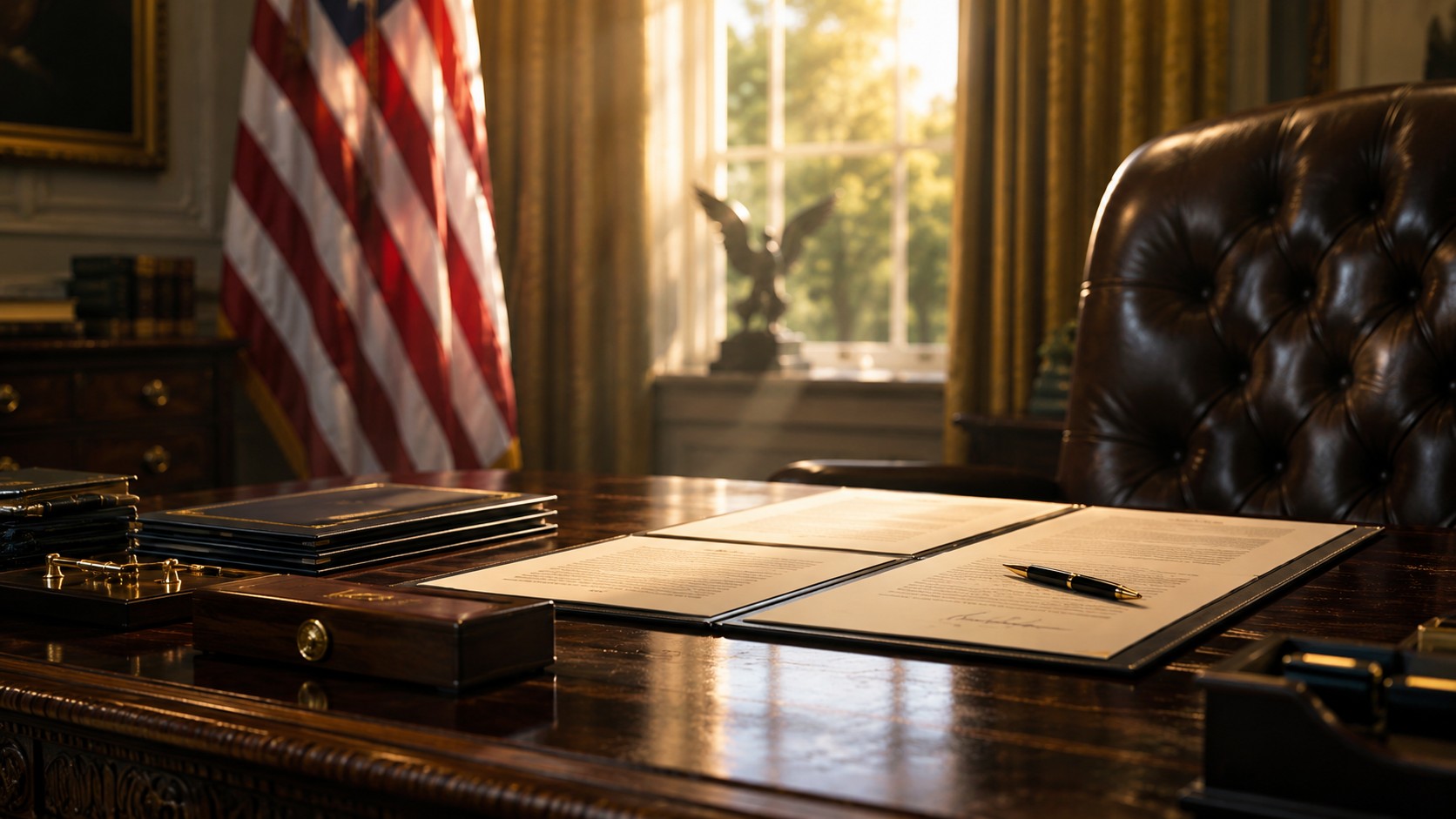
Woodrow Wilson was the 28th president of the United States, serving from March 4, 1913 to March 4, 1921. A Democrat and Progressive reformer, he led major domestic changes and guided the nation through World War I while advocating the League of Nations.
Wilson's presidency brought significant progressive reforms: he helped create the Federal Reserve System, strengthened antitrust enforcement, established the Federal Trade Commission, lowered tariffs and introduced a federal income tax. His administration also enacted labor protections and regulatory measures that reshaped the national economy.
Internationally, Wilson led the United States into World War I, articulated the Fourteen Points and pressed for a League of Nations to secure a new world order, but the Senate refused to ratify U.S. membership. His record is contested: he expanded federal authority and wartime censorship and instituted segregationist policies in the federal government, outcomes that have substantially affected historical assessments of his presidency.
Established the Federal Reserve System (1913) and modernized banking; Enacted antitrust and regulatory reforms including the Clayton Antitrust Act and Federal Trade Commission (1914); Lowered tariffs and introduced a federal income tax (Underwood Tariff, 1913); Led the U.S. through World War I and proposed the Fourteen Points; Championed the League of Nations but failed to secure Senate ratification; Implemented segregationist policies in federal offices and oversaw wartime suppression of dissent
Key highlights and dated events associated with this presidency.
Showing 12 of 252 entries.
On September 15, 1918 Allied forces (principally Serbian, French and Greek) launched an offensive at Dobro Pole and achieved a decisive breakthrough of Bulgarian lines.
On September 12, 1918 British forces assaulted and captured German positions at Havrincourt as part of the Allied Hundred Days Offensive.
On September 12, 1918, the American Expeditionary Forces under General John J. Pershing launched the Saint-Mihiel offensive against German positions, an operation that concluded successfully by September 16.
On August 21, 1918, Allied forces launched a renewed large-scale offensive along the Somme front as part of the broader Hundred Days Offensive, pressing German defenses after the success at Amiens.
On August 8, 1918, Allied forces under British command launched a surprise offensive at Amiens that achieved a major breakthrough against German lines.
French, British and American units launched a coordinated counterattack against German forces at the Marne, beginning the Allied counteroffensive phase of the battle.
German armies launched a major offensive across the Marne River in northeastern France, marking the opening of the Second Battle of the Marne.
President Woodrow Wilson issued the annual Independence Day proclamation calling for national unity and continued public support for the U.S. war effort in World War I.
U.S. Marine Corps units completed the capture of Belleau Wood, driving German forces from fortified positions after intense combat that began earlier in June.
By June 6 Allied and American forces had checked the German offensive in the Château-Thierry and Aisne sector, ending the immediate phase of the May–June German push toward Paris.
On June 1, U.S. Marine Corps units launched attacks into Belleau Wood near the Marne, beginning a fierce, protracted engagement with German forces that continued through late June.
U.S. First Division forces attacked and captured the village of Cantigny from German forces in the first significant American-led offensive of World War I.