
Democratic National Convention adopts civil-rights plank amid Southern walkout
At the Democratic National Convention in Philadelphia the party adopted a strong civil-rights plank, prompting many Southern delegates to walk out in protest.
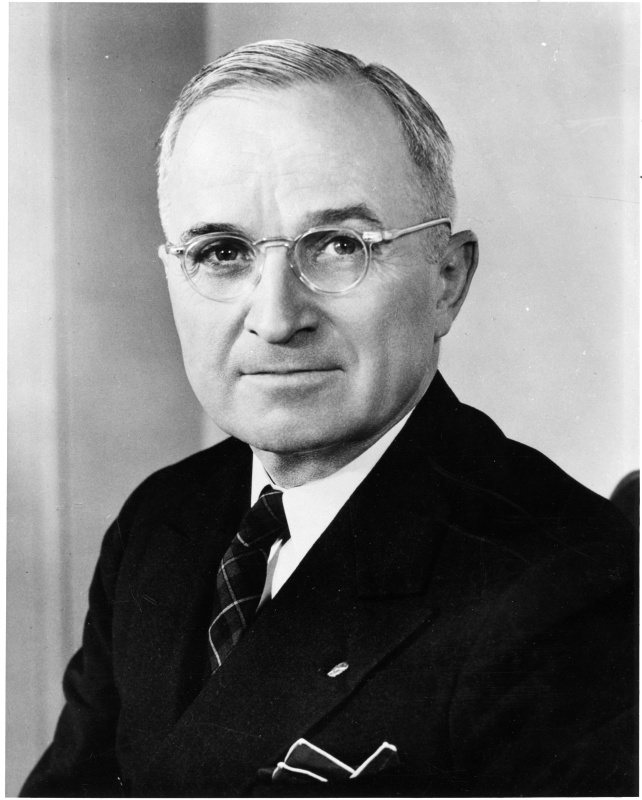
Harry S. Truman (1884–1972) was the 33rd President of the United States, serving from April 12, 1945 to January 20, 1953. A Democrat, he assumed the presidency after Franklin D. Roosevelt's death and guided the nation through the end of World War II and the early Cold War.
Truman reshaped America's postwar role, moving the nation from global war to Cold War leadership through the Marshall Plan, the Truman Doctrine, the Berlin Airlift, and the creation of NATO while confronting crises such as the Korean War.
On the domestic front he promoted the Fair Deal and took historic steps on civil rights, notably issuing Executive Order 9981 to desegregate the armed forces; his plainspoken leadership and decisive choices left a complex but enduring legacy that gained greater respect over time.
Assumed the presidency in 1945 and guided the transition from World War II to peacetime; Authorized use of atomic weapons against Japan (Hiroshima and Nagasaki); Articulated the Truman Doctrine and enacted the Marshall Plan to contain Soviet expansion; Supported the Berlin Airlift and helped establish NATO; Recognized the State of Israel in 1948; Issued Executive Order 9981 to desegregate the armed forces and led the U.S. during the Korean War (1950–1953)
Key highlights and dated events associated with this presidency.
Showing 12 of 276 entries.
At the Democratic National Convention in Philadelphia the party adopted a strong civil-rights plank, prompting many Southern delegates to walk out in protest.
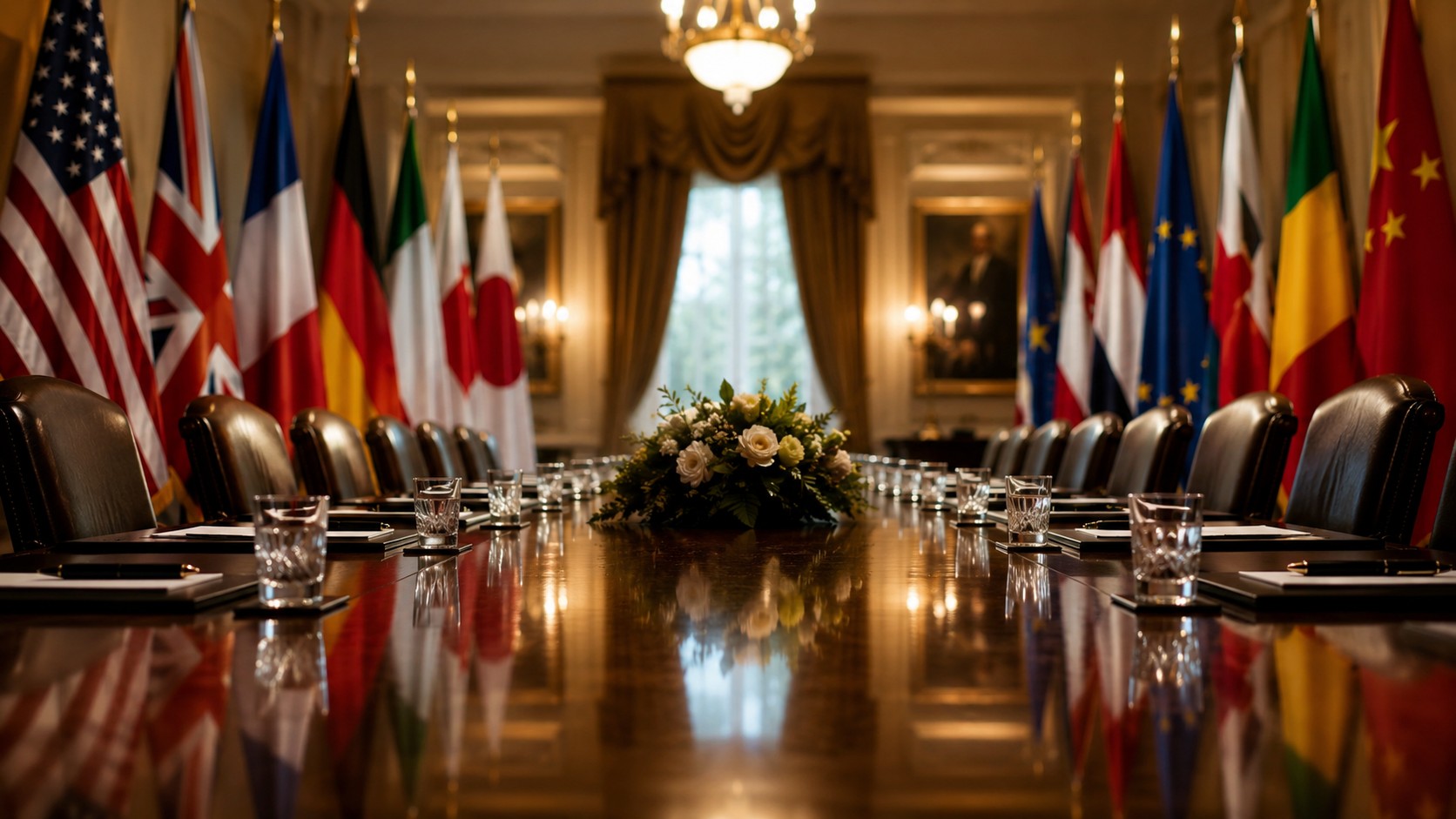
Delegates convened in Philadelphia to choose the Democratic ticket and adopt the party platform ahead of the 1948 presidential election.
President Truman authorized U.S. military and civilian aircraft to begin flying supplies into West Berlin, launching the Allied airlift operation.
On June 24, 1948 Republican delegates in Philadelphia officially nominated Governor Thomas E. Dewey for president, with Earl Warren as the vice-presidential nominee.
Soviet authorities cut off road, rail, and water access to the Allied sectors of West Berlin, initiating the Berlin Blockade.
On June 20, 1948 the U.S., British, and French occupation authorities introduced the Deutsche Mark in their zones of Germany, replacing the Reichsmark.
On May 29, 1948, the United Nations Security Council adopted Resolution 50, creating a Truce Commission and calling for an immediate ceasefire in the Arab–Israeli fighting.
On May 17, 1948, the Soviet Union formally extended diplomatic recognition to the newly declared State of Israel.
On May 15, 1948, armies from Egypt, Transjordan (Jordan), Syria, Lebanon, and Iraq launched military intervention into the territory of the former British Mandate of Palestine, marking the start of the 1948 Arab–Israeli War.
On May 14, 1948, the British Mandate for Palestine formally ended as British civil and military authorities completed their withdrawal and mandate authority lapsed.
On May 14, 1948, David Ben‑Gurion proclaimed the establishment of the State of Israel in Tel Aviv, declaring independence from the British Mandate for Palestine.
President Harry S. Truman extended U.S. recognition to the provisional government of the newly declared State of Israel on May 14, 1948, hours after its proclamation.