Senate confirms Louis D. Brandeis to the U.S. Supreme Court
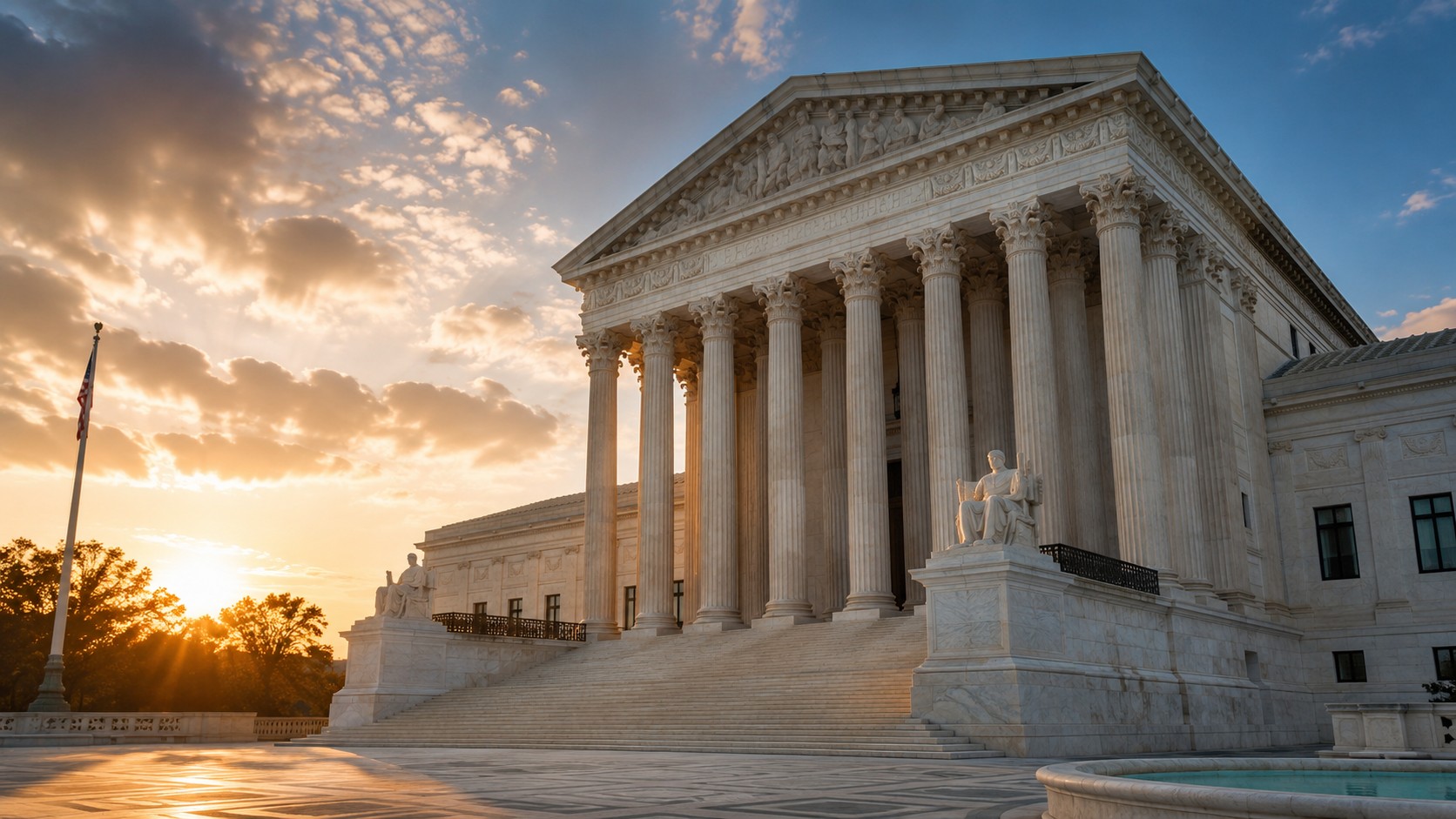
The U.S. Senate confirmed President Wilson's controversial nomination of Louis D. Brandeis to the Supreme Court.
Woodrow Wilson was the 28th president of the United States, serving from March 4, 1913 to March 4, 1921. A Democrat and Progressive reformer, he led major domestic changes and guided the nation through World War I while advocating the League of Nations.
Wilson's presidency brought significant progressive reforms: he helped create the Federal Reserve System, strengthened antitrust enforcement, established the Federal Trade Commission, lowered tariffs and introduced a federal income tax. His administration also enacted labor protections and regulatory measures that reshaped the national economy.
Internationally, Wilson led the United States into World War I, articulated the Fourteen Points and pressed for a League of Nations to secure a new world order, but the Senate refused to ratify U.S. membership. His record is contested: he expanded federal authority and wartime censorship and instituted segregationist policies in the federal government, outcomes that have substantially affected historical assessments of his presidency.

Established the Federal Reserve System (1913) and modernized banking; Enacted antitrust and regulatory reforms including the Clayton Antitrust Act and Federal Trade Commission (1914); Lowered tariffs and introduced a federal income tax (Underwood Tariff, 1913); Led the U.S. through World War I and proposed the Fourteen Points; Championed the League of Nations but failed to secure Senate ratification; Implemented segregationist policies in federal offices and oversaw wartime suppression of dissent
Key highlights and dated events associated with this presidency.
Showing 12 of 252 entries.
The U.S. Senate confirmed President Wilson's controversial nomination of Louis D. Brandeis to the Supreme Court.
On May 31, 1916 the largest naval battle of World War I, the Battle of Jutland, opened in the North Sea as British and German battle fleets clashed.
U.S. Marines landed at Santo Domingo on May 28, 1916, initiating a military occupation of the Dominican Republic.
British and French negotiators agreed privately on May 16, 1916, to divide Ottoman-held territories in the Middle East into spheres of influence after World War I (the secret Sykes–Picot Agreement).
Germany pledged to alter its submarine warfare policy—promising not to torpedo passenger ships and to provide warning before sinking merchant vessels—following U.S. protests over the March sinking of the French steamer Sussex, and President Wilson publicly welcomed the assurance.
On April 24, 1916, the Irish Volunteers and the Irish Citizen Army seized key positions in Dublin and proclaimed an Irish Republic, initiating the Easter Rising against British rule.
On April 12, 1916, elements of Gen. John J. Pershing's Punitive Expedition were attacked at Parral, Chihuahua, by Mexican Carrancista forces and local irregulars, prompting Pershing to withdraw from the town.
Elements of Pershing's Punitive Expedition engaged and defeated forces loyal to Pancho Villa at Guerrero, Mexico.
Elements of Pershing's expedition engaged and routed forces loyal to Pancho Villa near Guerrero, Chihuahua.
On March 29, 1916, Brig. Gen. John J. Pershing's punitive expedition engaged Pancho Villa's troops at Guerrero, Chihuahua, routing Villa's forces and freeing American prisoners taken in earlier raids.
A German U-boat torpedoed the French cross-Channel ferry Sussex on March 24, 1916, injuring passengers including several Americans and provoking international protest.
Wilson authorized a U.S. Army expedition led by General John J. Pershing to pursue Pancho Villa into Mexico following the Columbus raid.